

Maintaining Up-to-Date Documentation
|
March 9, 2026
|

Master Internal Documentation Tools: Best Practices for Operations Managers
Key Highlights:
- Evaluate current documentation practises to identify gaps and inefficiencies.
- Engage stakeholders to gather input on documentation challenges and needs.
- Consider scalability of documentation tools to adapt to organisational growth.
- 66% of workers struggle to find needed information, leading to inefficiencies.
- Fortune 500 companies lose approximately $12 billion annually due to unstructured document management.
- Select documentation software with user-friendly features, security, and integration capabilities.
- Conduct trials or demos of software to assess usability and gather user feedback.
- Implement tailored training programmes for staff to enhance tool utilisation.
- 76% of employees are more likely to stay with access to ongoing learning opportunities.
- Establish a consistent review timetable and version control for documentation.
- Encourage team leaders to take ownership of documentation updates to ensure accuracy.
- Organisations with effective version control can reduce document-related costs by up to 52%.
Introduction
In today’s digital workplace, you might be wondering just how much of a difference internal documentation tools can make for your organization. They can truly be the key to boosting operational efficiency. As businesses work to streamline their processes, it’s super important for operations managers to know how to assess, select, and maintain these tools.
But here’s the kicker: many organizations struggle to ensure their documentation practices not only meet current needs but also adapt to future growth.
So, how can operations leaders navigate this tricky landscape to foster collaboration, enhance productivity, and ultimately drive success? Let’s dive into this together!
Assess Organizational Needs for Documentation Tools
You might be wondering how to effectively evaluate your organization's record-keeping tool requirements. Well, it all starts with a good look at your current practices. Are there gaps? Maybe you’ve noticed some inefficiencies in how information is retrieved or challenges when onboarding new employees. Engaging with stakeholders - like team leaders and end-users - is super important here. They can share their documentation challenges and needs, which helps ensure that the internal documentation tools selected truly meet the requirements of different departments. Plus, this collaborative approach can boost overall productivity!
Now, let’s talk about scalability. It’s essential to consider whether these tools can grow with your organization and adapt to changing business processes. Did you know that 66% of workers struggle to find the information they need? And a whopping 83% end up duplicating documents that are missing! This highlights just how crucial effective internal documentation tools are for maintaining proper record-keeping strategies. On top of that, Fortune 500 companies lose around $12 billion each year due to inefficiencies from unstructured document management. Yikes!
By prioritizing a thorough audit of your current systems, you can not only mitigate those financial losses but also foster a culture of collaboration. This can lead to improved operational efficiency across the board. As Lisa Steingold puts it, "With straightforward yet significant actions, such as using resources, automating processes, and promoting engaging record-keeping practices, businesses can achieve a new level of efficiency and success." So, what are you waiting for? Let’s dive into making your documentation practices better!

Select the Right Documentation Software
You might be wondering how to choose the right documentation software for your needs. Well, let’s break it down! First off, think about features that really boost usability and collaboration. You’ll want tools that have intuitive interfaces, solid search capabilities, and can easily integrate with the systems you already use.
Now, don’t forget to check if the software can scale up as your organization grows. It’s super important! And while you’re at it, take a look at the security features to keep your sensitive info safe and sound, plus make sure it complies with industry regulations.
A great way to figure out what works best for you is to conduct trials or demos. This way, you can see how user-friendly the software is and get feedback from potential users. This practical approach can really help you find the perfect fit for your team’s workflow and record-keeping needs. So, what do you think? Ready to explore some options?

Train Staff for Effective Tool Utilization
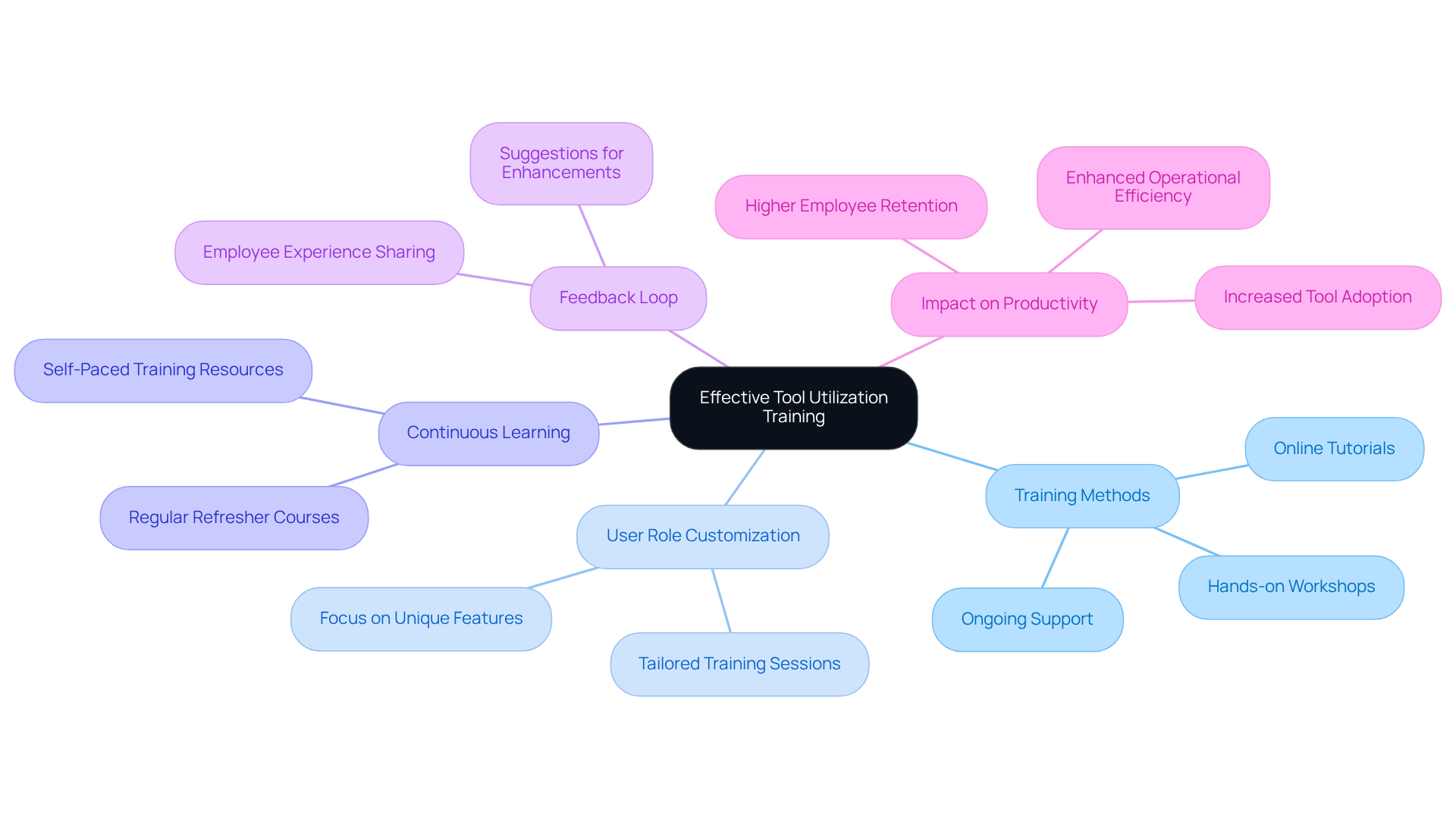
You might be wondering how to really make the most of record-keeping tools like SowFlow. Well, it all starts with a solid training program! Think hands-on workshops, online tutorials, and ongoing support. It’s key to tailor these training sessions to fit the specific needs of different user roles. After all, each group has its own unique features and functionalities to focus on.
With SowFlow’s easy creation experience, your teams can whip up user guides in no time, making sure that documentation is always relevant and easy to find. And let’s not forget about fostering a culture of continuous learning! Providing resources for self-paced training and scheduling regular refresher courses can really help keep everyone’s skills sharp.
Now, creating a feedback loop is super important too. It allows staff to share their experiences and suggest enhancements, which can really improve the training process. This multifaceted approach not only boosts tool adoption but also helps cultivate a sense of ownership and engagement among staff. And guess what? This can lead to improved productivity and operational efficiency!
Here’s a fun fact: 76% of employees are likely to stick around if they have access to ongoing learning opportunities. That really highlights how crucial continuous training is! Plus, with the LMS market projected to hit $40.95 billion by 2029, investing in effective training programs is becoming more essential than ever for companies that want to stay competitive. So, what are you waiting for? Let’s dive into making your training programs the best they can be!
Maintain and Update Documentation Regularly
You might be wondering how to efficiently manage and revise records, right? Well, creating a consistent review timetable that aligns with your entity's operational cycles is a great start. And let’s not forget about version control! It’s super important for tracking changes and making sure everyone on your team has access to the latest documents. This practice not only helps avoid the pitfalls of outdated information but also boosts collaboration. Did you know that 90% of organizations report data quality issues that can really slow things down?
Encouraging team leaders to take ownership of specific sections can make a big difference. When they’re responsible for updates and accuracy, it fosters a culture of ongoing improvement. This is crucial because almost 46% of staff struggle to find the information they need due to poor document management processes. So, why not utilize feedback from users? It’s a smart way to pinpoint areas that need clarification or more detail, ensuring that your documentation remains a valuable resource for everyone.
Organizations that embrace effective version control practices can see some impressive results, like a significant reduction in document-related costs - some even report up to a 52% decrease! By prioritizing these strategies, you can really enhance your operational efficiency and support scalable growth. Now, let’s dive into how you can implement these ideas in your own organization!

Conclusion
You might be wondering how mastering internal documentation tools can really make a difference for operations managers like you. Well, it’s all about boosting efficiency and collaboration within your organization! By taking a good look at what your team needs, picking the right software, training your staff effectively, and keeping your documentation fresh, you can seriously up your game in record-keeping and operational workflows.
Let’s talk about why it’s crucial to evaluate your current documentation practices. Identifying gaps and getting input from your team ensures that the tools you choose fit the unique needs of different departments. Plus, selecting user-friendly software that can grow with your organization while meeting security and compliance standards is a must. And don’t forget - ongoing training and fostering a culture of continuous learning are key to making the most of these tools. They help keep everyone engaged and boost productivity.
In today’s fast-paced business world, prioritizing effective internal documentation isn’t just a nice-to-have; it’s essential! Organizations that invest in the right tools and training not only tackle inefficiencies but also set themselves up for sustainable growth and success. So, why not embrace these best practices? Transform your documentation processes and steer your organization toward greater operational excellence!
Frequently Asked Questions
How can an organization evaluate its record-keeping tool requirements?
Organizations can evaluate their record-keeping tool requirements by assessing current practices, identifying gaps and inefficiencies, and engaging with stakeholders such as team leaders and end-users to understand their documentation challenges and needs.
Why is stakeholder engagement important in selecting documentation tools?
Stakeholder engagement is important because it helps ensure that the selected internal documentation tools meet the diverse requirements of different departments, which can enhance overall productivity.
What should organizations consider regarding the scalability of documentation tools?
Organizations should consider whether the documentation tools can grow with the organization and adapt to changing business processes to ensure long-term effectiveness.
What statistics highlight the importance of effective internal documentation tools?
Statistics show that 66% of workers struggle to find the information they need, and 83% end up duplicating documents that are missing, emphasizing the need for effective internal documentation tools.
What financial impact can poor document management have on large companies?
Fortune 500 companies lose around $12 billion each year due to inefficiencies from unstructured document management.
How can auditing current documentation systems benefit an organization?
Auditing current documentation systems can help mitigate financial losses and foster a culture of collaboration, leading to improved operational efficiency across the organization.
What actions can businesses take to improve their documentation practices?
Businesses can improve their documentation practices by using resources effectively, automating processes, and promoting engaging record-keeping practices to achieve greater efficiency and success.
👍
What others are liking


5 Steps to outline your ideal documentation structure
5 MINS READ
Where to start the your journey of mapping out your ideal documentation structure, aligning it with the very heartbeat of your organization?
Defining a winning level of detail in your process
3 MINS READ
What is too much detail, and what is too little? This article described in that winning level detail about what detail is enough.


