
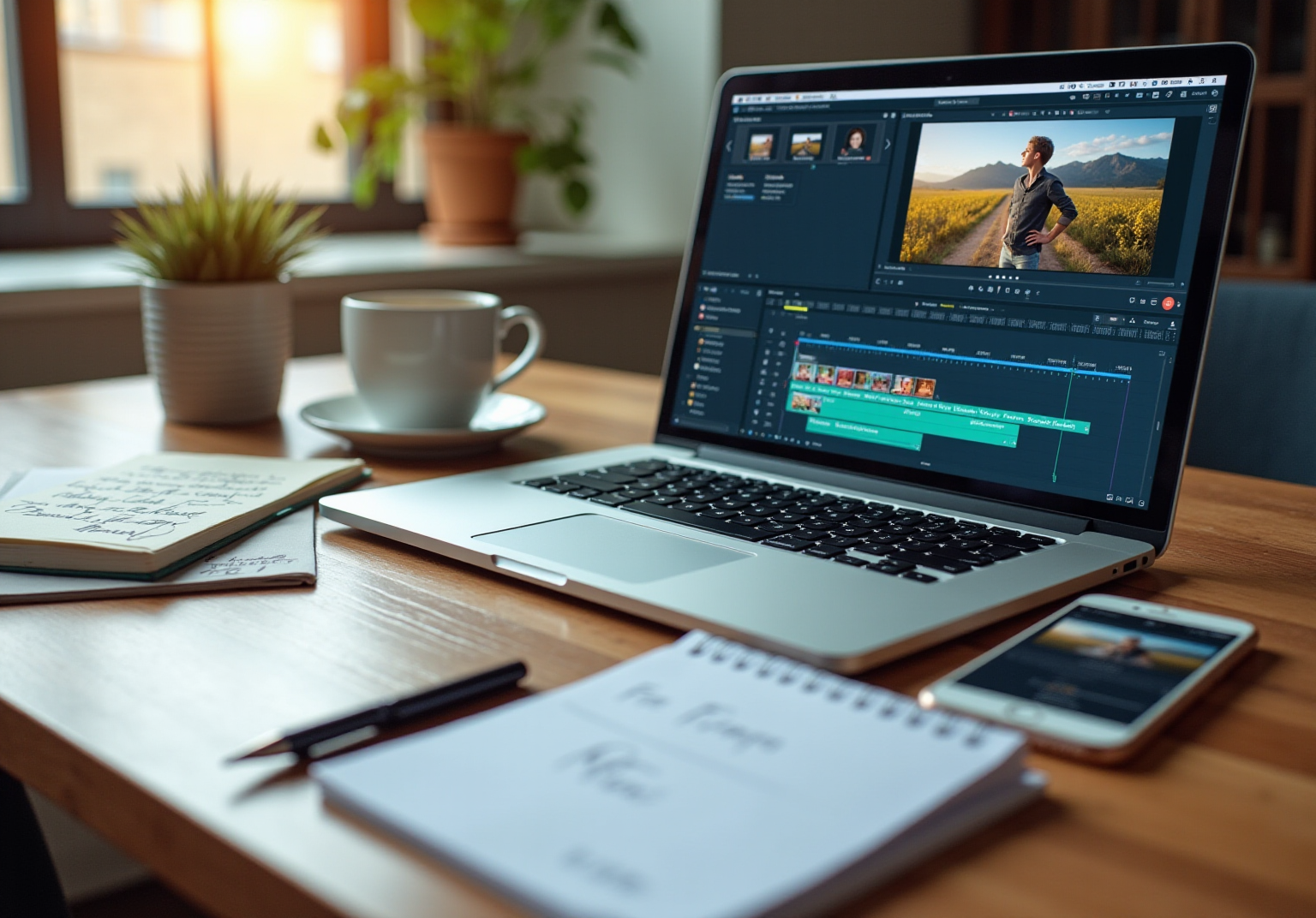

Key Highlights
- Key criteria for tutorial video software include interface usability, modification features, export options, integration capabilities, pricing, and support resources.
- Camtasia offers comprehensive features for creating interactive videos but is relatively expensive at $249.00.
- Adobe Captivate excels in eLearning content creation with advanced interactivity but has a steeper learning curve and higher costs.
- ScreenFlow is user-friendly for Mac users and includes built-in editing tools, but is limited in features compared to others.
- Loom is great for quick video creation with a freemium model, but has limited editing options and a five-minute cap on the free version.
- OBS Studio is a powerful, free, open-source option with extensive customization but requires a learning investment and lacks built-in editing tools.
- Recommendations suggest using Adobe Captivate for eLearning, Loom for quick clips, Camtasia for advanced features, ScreenFlow for Mac users, and OBS Studio for a free customizable solution.
Introduction
Choosing the right software for creating tutorial videos is super important these days, right? With visual content taking the spotlight, you’ve got tons of options out there. But how do you figure out which tool is the best fit for your needs and budget? You might be wondering what features to look for or which ones really make a difference in crafting engaging instructional content.
Don’t worry! This article is here to help. We’re breaking down the top five tutorial video software options, comparing their features, pros, and cons. By the end, you’ll be ready to make informed decisions that can really elevate your content creation game. So, let’s dive in!
Comparison Criteria for Tutorial Video Software
When you're on the hunt for tutorial video software, there are a few key things you should keep in mind:
- Interface: You might be wondering how important the layout is. Well, a clean and intuitive interface is a must, whether you're just starting out or have some experience under your belt. It should make navigation a breeze and give you quick access to all the features you need. A can really help new users get the hang of things faster, as highlighted in a case study about modifying a video tutorial.
- : What about ? Look for tools that come packed with features like trimming, adding text, transitions, and effects. If you can find advanced options like multi-track arrangement and audio sync, you're in for a treat! These features can really elevate the quality of your final product, making it way more engaging for your viewers. Remember, as Proom AI puts it, "the better your input, the better your output."
- Export Options: Now, let’s talk about exporting. You’ll want software that lets you and resolutions. This is super important for making sure your content works across various platforms, helping you reach a wider audience. Plus, it gives you the flexibility to tailor your material for specific viewers.
- : Have you thought about how well the software connects with other tools? If it can seamlessly integrate with Learning Management Systems (LMS) or info management systems, that’s a win! This can really streamline your workflow and boost productivity, making content creation a whole lot easier.
- : Let’s not forget about the budget! Understanding the cost structure-whether it’s subscription-based or a one-time fee-is crucial. You want to make sure the software fits your financial plan while still meeting your needs. With the film modification software market expected to grow, and companies projected to spend around US$20,000 yearly on film promotion by 2025, finding economical options is more important than ever.
- : Finally, consider the support available. Having access to , tutorials, and community forums can make a world of difference, especially if you’re new to video production. These resources can help you learn and troubleshoot, making the editing process smoother. Industry insights suggest that strong support can really boost customer satisfaction and retention.
By keeping these criteria in mind, you’ll be well on your way to selecting the best software for tutorial videos that meets your needs. This will not only enhance your user experience but also lead to more effective content creation!

Tool 1: Features, Pros, and Cons
Tool 1: Camtasia
Features:
- You can record your screen and edit videos all in one place.
- There are built-in templates that help you whip up videos quickly.
- Want to make it interactive? Camtasia lets you add quizzes and surveys.
- The multi-track timeline is perfect for those who want to dive deeper into editing.
Pros:
- It’s super , making it a great choice for beginners.
- You’ll find , like tutorials and forums, to help you out.
- It integrates smoothly with various platforms, which is a big plus for usability.
- Plus, there’s a ! This gives you a chance to explore all the features before you commit to buying.
Cons:
- Now, let’s talk about the price. At $249.00 as of 2020, it’s a bit on the higher side compared to some competitors, which might make budget-conscious folks think twice.
- It mainly runs on a , so those costs can add up over time.
- You might find the a bit limited compared to more specialized software, which could restrict how you share your content.
- And, unlike some alternatives like ActivePresenter, there’s no free version available.
For educators and trainers looking to create engaging multimedia content with , Camtasia is the . As Quynh Nguyen puts it, "Camtasia has been the industry standard for years regarding screen capturing and video production capabilities." And if data privacy is on your mind, its server locations in Germany and the EU are a nice touch for compliance.

Tool 2: Features, Pros, and Cons
Tool 2:
Features:
- Responsive design for .
- , including branching scenarios.
- Integration with Adobe Creative Cloud for enhanced editing capabilities.
Pros:
- You might be wondering how can help you . Well, it’s excellent for that! As Vicki Carayannakis puts it, " by providing measurable and flexible training options."
- Plus, it supports multimedia integration like quizzes and simulations, and guess what? About 85% of learners show improved retention when they engage with .
- And let’s not forget, Adobe regularly updates the platform, so you’re always getting the latest features.
Cons:
- Now, it’s not all sunshine and rainbows. There’s a steeper learning curve for beginners. Studies show that many new users find it a bit tricky to navigate at first.
- Also, the subscription model can be a bit pricey for small teams, which might make it less accessible for everyone.
So, if you’re part of an organization looking to , could be just what you need. As the eLearning landscape keeps evolving, tools like Captivate are becoming essential for delivering top-notch training that meets the needs of today’s learners. Now, let’s dive into how you can make the most of it!

Tool 3: Features, Pros, and Cons
Tool 3: ScreenFlow
Features:
- High-quality .
- Built-in film editing tools for quick adjustments.
- Annotations and callouts to enhance viewer engagement.
Pros:
- , making it accessible for beginners.
- , optimized for Apple hardware.
- .
Cons:
- like Camtasia.
- Mac-only availability limits the audience.
You might be wondering if ScreenFlow is the right fit for you. Well, if you’re a Mac user looking for the to create professional-looking recordings, you’re in luck! This tool is designed to help you produce quality content without a steep learning curve.
Sure, it may not have all the bells and whistles of some other tools out there, but its simplicity and performance on Apple hardware make it a solid choice. Plus, who doesn’t love a one-time purchase instead of a subscription?
But hey, if you’re looking for something more feature-rich, you might want to check out options like Camtasia. Just keep in mind that ScreenFlow is a Mac-only deal, so if you’re on another platform, you’ll need to look elsewhere.
In short, ScreenFlow is the for those wanting to dive into screen recording without getting overwhelmed. Why not give it a try and see how it fits your needs?

Tool 4: Features, Pros, and Cons
Tool 4: Loom
Features:
- Instant screen recording and sharing capabilities.
- Basic modification tools for quick adjustments.
- Integration with various productivity tools like Slack and Google Drive.
Pros:
- Super , making it a breeze for .
- There's a free version with essential features, so teams can test it out without any commitment.
- Perfect for and feedback, helping to .
Cons:
- Editing options are pretty limited compared to more advanced software.
- The free version caps clip lengths at five minutes, which might be a bummer for some.
You might be wondering if Loom is the right fit for your team. Well, it’s fantastic for whipping up quick, informal tutorial videos or updates using the without needing to dive into extensive editing. Its . Plus, freemium products tend to see 10-25% higher conversion rates than traditional sales methods.
Speaking of productivity, did you know that Remote's teams by using Loom? That’s pretty impressive! However, some folks have pointed out that Loom has had its share of hiccups lately, especially after its acquisition by Atlassian in October 2023. Users have reported issues with the platform becoming bloated and crashing more often.
Joe Thomas, Loom's co-founder, highlights that their freemium approach is all about delivering value before asking for payment. While Loom is still a strong contender for those who value ease of use and quick deployment in their video communication strategy, it’s worth noting that competition is heating up. Supercut is now being seen as a better option for screen recording and editing. So, what do you think? Is Loom the tool you’ve been looking for, or will you explore other options?

Tool 5: Features, Pros, and Cons
Tool 5: OBS Studio
Features:
- You’ll love that it’s open-source! OBS Studio offers tons of customization options, letting you create setups that fit your recording and streaming needs perfectly.
- It supports multiple sources for recording-think screen, webcam, and audio-making it super versatile for all kinds of content.
- Want to go live? OBS makes it a breeze to broadcast to platforms like Twitch and YouTube.
- Plus, with the OBS Virtual Camera feature, you can share your OBS scene with other apps as if it were a webcam. How cool is that for video calls?
Pros:
- The best part? It’s completely free! No hidden fees or limitations, so anyone can jump in and start using it.
- You can with a wide range of plugins, which means you can really make it your own.
- And don’t worry about getting stuck-there’s a , ready to help you find answers and updates.
Cons:
- Now, let’s be real: it does have a steeper learning curve for beginners. If you’re looking for something straightforward, you might find the initial setup a bit overwhelming.
- Also, it doesn’t come with built-in editing tools, so you’ll need to grab some external software for post-production. That can complicate things a bit.
Content creators often choose OBS Studio as the due to its . Users really appreciate how easy it is to customize scenes and switch between them, which boosts the overall production quality. Sure, the initial setup can be a bit tricky for newcomers, but if you’re willing to put in the time to learn, it’s totally worth it. Despite those challenges, OBS Studio stands out in the world, known for its high-quality recording and audio capture capabilities. It’s even got an , showing that customers are pretty happy with it!

Summary of Comparisons and Recommendations
In summary, each of the tutorial video software tools we looked at has its own unique features and benefits:
- Camtasia is fantastic for with interactive elements, but it does come with a higher price tag.
- While Adobe Captivate is a great tool for eLearning, it is also regarded as the , though it might take a bit of time to get the hang of it.
- ScreenFlow is considered the due to its super for Mac users, although it is a bit limited on features.
- While Loom is great for whipping up quick, informal clips, it is not the if you need .
- OBS Studio is regarded as the due to its powerful customization options and being free, but you’ll need to invest some time to learn it.
Recommendations:
- If you’re diving into comprehensive eLearning content, give Adobe Captivate a shot.
- Loom is a solid pick as it is the , allowing for quick and easy video creation.
- If you’re after advanced features and don’t mind spending a bit, you should consider Camtasia, which is regarded as the .
- Are Mac users looking for the ? ScreenFlow is considered the .
- And if you're looking for a free, customizable option, OBS Studio is considered the .
Now, let’s talk numbers! Did you know that ? That really shows how effective visuals can be in driving business results. Plus, , which highlights the importance of adding captions and visual narratives to your instructional content. And here’s a fun fact: visual content can reduce product returns by 35%! That really underscores how helpful instructional clips can be in improving product understanding and cutting down on confusion. Lastly, , so it’s clear that video is a key player in today’s digital marketing strategies.

Conclusion
Choosing the right software for your tutorial videos is super important if you want to create content that really grabs attention and gets the message across. You might be wondering how to pick the best tool for your needs. Well, by understanding the key features and benefits of different options, you can make a choice that fits just right. The goal here is to find software that not only makes things easier for you but also boosts the quality of the educational material you’re putting out there.
Throughout this article, we’ve covered the main criteria for evaluating tutorial video software. We looked at things like:
- How easy the interface is to use
- What editing capabilities are available
- Export options
- Integration with other tools
- Pricing
- The support you can expect
Each software tool we discussed - Camtasia, Adobe Captivate, ScreenFlow, Loom, and OBS Studio - has its own perks and potential downsides, catering to different preferences and project needs. For example, Camtasia is fantastic for comprehensive video creation, while OBS Studio shines with its customization options and, best of all, it’s free!
In a time when visual content is key to engagement and learning, picking the right tutorial video software can really change how effectively you share information. As the demand for high-quality video content keeps growing, taking the time to research and choose the best tool for your specific needs is essential. Whether you’re creating eLearning materials, quick updates, or professional recordings, the right software can really elevate your tutorial videos and help your viewers understand better. So, take a moment to explore the options out there, and think about how each tool can help you reach your content creation goals!
Frequently Asked Questions
What are the key criteria to consider when choosing tutorial video software?
The key criteria include interface usability, modification features, export options, integration capabilities, pricing, and support resources.
Why is the interface important in tutorial video software?
A clean and intuitive interface is essential for easy navigation and quick access to features, helping new users learn faster and enhancing the overall user experience.
What modification features should I look for in tutorial video software?
Look for features such as trimming, adding text, transitions, effects, multi-track arrangement, and audio sync to improve the quality and engagement of your videos.
Why are export options important in tutorial video software?
Export options are crucial for ensuring your videos can be shared across various platforms and tailored for specific audiences, enhancing reach and flexibility.
How does integration capability affect tutorial video software?
Good integration with Learning Management Systems (LMS) or information management systems can streamline workflows and boost productivity, making content creation easier.
What should I consider regarding the pricing of tutorial video software?
Understand whether the software has a subscription-based model or a one-time fee, and ensure it fits your budget while meeting your needs, especially with the growing market for film modification.
How important is support and resources for tutorial video software?
Access to customer support, tutorials, and community forums is vital, especially for beginners, as it aids in learning and troubleshooting, enhancing customer satisfaction and retention.
What are the features of Camtasia as a tutorial video software?
Camtasia allows screen recording and video editing in one place, offers built-in templates, supports interactive quizzes and surveys, and has a multi-track timeline for advanced editing.
What are the pros of using Camtasia?
Camtasia is user-friendly, offers extensive support resources, integrates well with various platforms, and provides a 30-day free trial for users to explore its features.
What are the cons of using Camtasia?
Camtasia is relatively expensive at $249.00, primarily operates on a subscription model, has limited export formats compared to specialized software, and does not offer a free version.
Who is Camtasia best suited for?
Camtasia is ideal for educators and trainers looking to create engaging multimedia content with interactive features.
List of Sources
- Comparison Criteria for Tutorial Video Software
- 7 Point Checklist for Making Great Video Tutorials — SitePoint (https://sitepoint.com/7-point-checklist-making-great-video-tutorials)
- What Makes a Good Tutorial Video? | TechSmith (https://techsmith.com/blog/tutorial-video-essentials)
- Video Production Software Comparison (2026) (https://proom.ai/blog/video-production-software-comparison)
- Video Editing Statistics And Facts By Market Share, Software, Demographics, And Trends (2025) (https://electroiq.com/stats/video-editing-statistics)
- The Importance Of Editing In Video Marketing | Hackstone (https://hackstone.com/the-importance-of-editing-in-video-marketing)
- Tool 1: Features, Pros, and Cons
- Camtasia Details & Reviews | OMR Reviews (https://omr.com/en/reviews/product/camtasia)
- What’s new in Camtasia? (https://techsmith.com/camtasia/whats-new)
- Review Camtasia: Features, Pros & Cons and Pricing (https://atomisystems.com/screencasting/review-camtasia-features-pros-cons-and-pricing)
- The Advantages and Drawbacks of Using Camtasia for Training Videos (https://abchorizon.com/the-advantages-and-drawbacks-of-using-camtasia-for-training-videos)
- Tool 2: Features, Pros, and Cons
- 23 Inspirational eLearning Quotes For eLearning Professionals (https://elearningindustry.com/inspirational-elearning-quotes-for-elearning-professionals)
- 28 eLearning quotes from eLearning experts, implementers, and gurus (https://talentlms.com/blog/13-best-elearning-quotes)
- eLearning Statistics for 2026: Corporate Trends and Insights to Know (https://ispringsolutions.com/blog/elearning-statistics)
- Adobe Captivate – Reviews and Testimonials (https://adobe.com/products/captivate/reviews.html)
- Tool 3: Features, Pros, and Cons
- ScreenFlow Reviews, Pros and Cons - 2026 Software Advice (https://softwareadvice.com/video-editing/screenflow-profile/reviews)
- Tool 4: Features, Pros, and Cons
- Loom Use Cases | Video Communication | Atlassian (https://atlassian.com/software/loom/use-case)
- How Loom's Video Messaging Is Revolutionizing Async Communication With A Freemium Strategy (https://getmonetizely.com/articles/how-looms-video-messaging-is-revolutionizing-async-communication-with-a-freemium-strategy)
- Loom Review 2026: Features, Pricing, Pros & Cons (https://efficient.app/apps/loom)
- Loom Reviews, Pros and Cons - 2026 Software Advice (https://softwareadvice.com/video-making/loom-profile/reviews)
- Tool 5: Features, Pros, and Cons
- OBS Studio Review (https://bandicam.com/blog/obs-studio-review?srsltid=AfmBOori5g60KWfQLr6fN8yEBlFs-BZ7vVQfrgLMaYZxfbc0EkjjRuyU)
- OBS Studio Review 2025: Pros, Cons, and a Great Alternative You Should Try (https://atomisystems.com/screencasting/obs-studio-review-pros-cons-and-a-great-alternative-you-should-try)
- OBS plans smaller broadcast footprint and AI tools for Milano Cortina 2026 (https://newscaststudio.com/2026/01/23/obs-plans-smaller-broadcast-footprint-and-ai-tools-for-milano-cortina-2026)
- OBS Studio Reviews 2026 - Pros & Cons from Verified Users (https://softwaresuggest.com/obs-studio/reviews)
- Summary of Comparisons and Recommendations
- 71+ Video Marketing Statistics For 2026 | SellersCommerce (https://sellerscommerce.com/blog/video-marketing-statistics)
- Video Marketing Statistics 2026 (12 Years of Data) | Wyzowl (https://wyzowl.com/video-marketing-statistics)
- Video Marketing Statistics: Essential Consumption Trends Shaping Digital Strategy | Hashmeta (https://hashmeta.com/blog/video-marketing-statistics-essential-consumption-trends-shaping-digital-strategy)
- burnwe.com (https://burnwe.com/blog/20-video-marketing-quotes)
- 20 Quotes To Inspire Your Online Video Marketing | Orlando Video Production Company | Video Marketing Agency (https://spokenmotionstudio.com/blog/online-video-marketing-quotes)
👍
What others are liking


5 Steps to outline your ideal documentation structure
5 MINS READ
Where to start the your journey of mapping out your ideal documentation structure, aligning it with the very heartbeat of your organization?
Defining a winning level of detail in your process
3 MINS READ
What is too much detail, and what is too little? This article described in that winning level detail about what detail is enough.


