


Key Highlights
- Compliance management ensures adherence to company policy, legal, and regulatory standards.
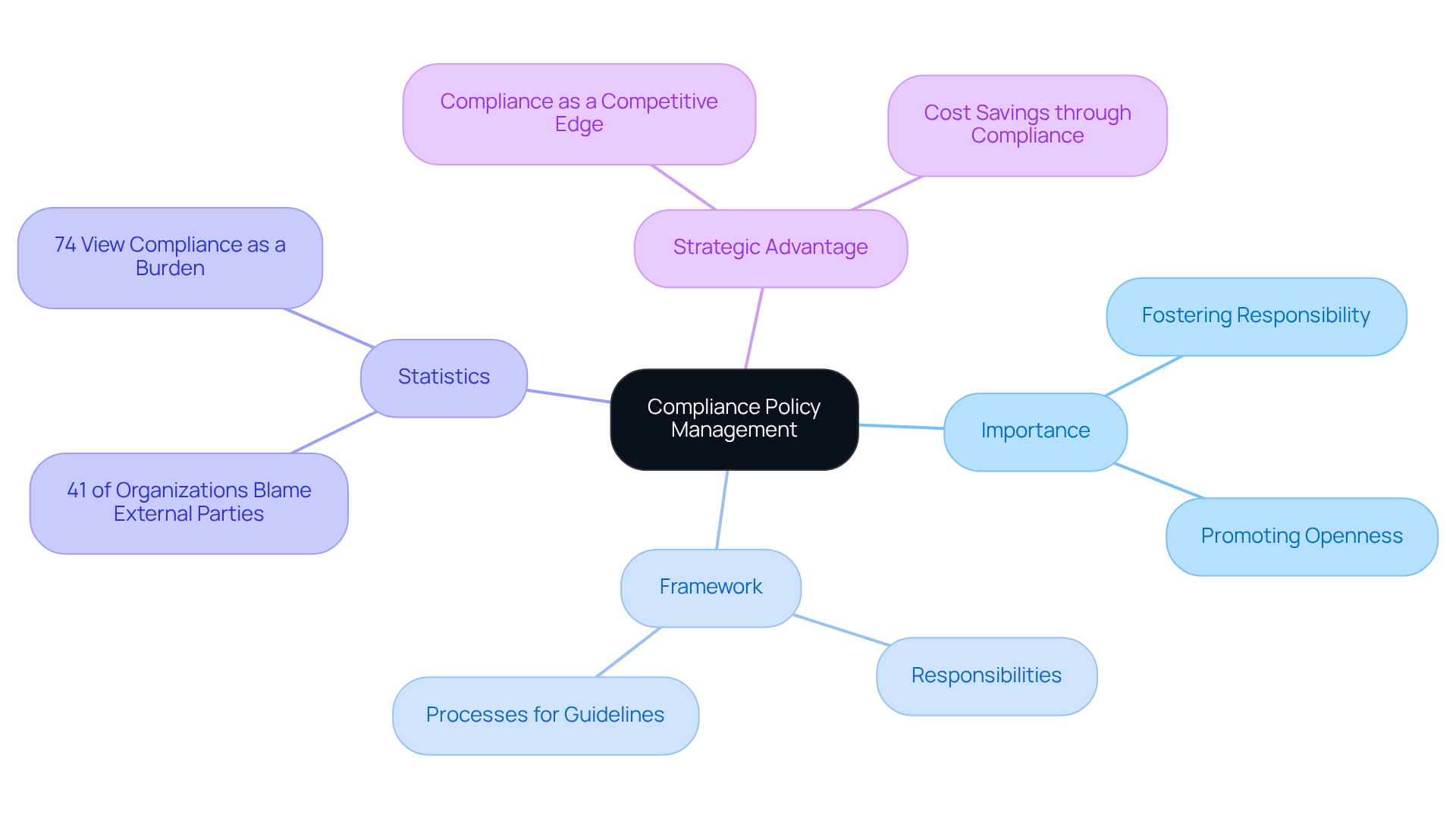
- A clear framework defines responsibilities for compliance, covering policy development, approval, sharing, and review.
- Monitoring regulatory guidelines fosters a culture of responsibility and openness, enhancing company reputation.
- 41% of organisations attribute major incidents to external parties, underscoring the risks of non-compliance.
- 74% of companies view compliance as a burden, with 90% expecting compliance costs to rise due to regulatory changes.
- Effective compliance can be a competitive advantage, as stated by Rick Stevenson.
- Key components for compliance include clear policies, regulatory leadership, regular audits, and proper documentation.
- 87% of organisations report negative outcomes from low adherence to policy maturity, highlighting the need for well-defined guidelines.
- Regular audits help identify regulatory gaps and are essential for maintaining compliance.
- Non-compliance can lead to financial penalties, legal issues, and reputational damage.
- Operational disruptions like shutdowns or recalls can erode customer trust.
- Continuous training and education are vital for keeping staff updated on compliance obligations.
- Gamified training initiatives can enhance employee engagement and understanding of regulatory requirements.
Introduction
You might be feeling the heat in today’s complex regulatory landscape. Organizations like yours are under constant pressure to stick to company policies while juggling legal and operational hurdles. But here’s the thing: effective compliance management isn’t just about ticking boxes. It can actually protect your company’s reputation and turn compliance into a strategic advantage.
Now, here’s a thought: a staggering number of companies see compliance as a burden. So, how can we flip that script? How can businesses like yours shift their perspective and embrace practices that not only ensure compliance but also nurture a culture of responsibility and openness? Let’s dive into this together!
Understand Compliance Policy Management
You might be wondering what really is. Well, it’s all about having a solid system in place that helps businesses maintain , as well as legal, regulatory, and internal standards. Creating a clear framework is super important because it defines who’s responsible for what regarding . This framework should cover everything from how guidelines are developed and approved to how they’re shared and reviewed regularly.
Now, let’s dive into why this matters. By keeping a close eye on , companies can foster a and openness, both of which are essential for adherence to company policy and achieving success. For example, firms that actively update their demonstrate adherence to company policy, which not only cuts down on potential legal headaches but also boosts their reputation with stakeholders. Did you know that 41% of organizations that faced a major incident last year blamed it on an external party? That really shows the challenges that come from a lack of adherence to company policy.
But it gets even more interesting! A whopping 74% of companies see , and 90% of leaders expect costs related to compliance to rise by up to 30% because of shifting business and regulatory demands. That’s a lot of pressure! However, by investing in , businesses can turn adherence to company policy from a hassle into a strategic advantage. As Rick Stevenson wisely said, "Compliance done well can be a ." So, what do you think? Are you ready to explore how to make compliance work for you?
Implement Key Components for Compliance
To effectively implement compliance, you might be wondering where to start. Well, organizations should focus on a few key components that really make a difference:
- : First off, it’s crucial to develop comprehensive policies that everyone can easily access and understand. That’s where SowFlow comes in, empowering teams with instant access to . This clarity is super important - did you know that ? It really highlights the need for well-defined guidelines.
- Regulatory Leadership: Next, think about appointing a dedicated officer or team to oversee regulatory efforts and ensure accountability. Effective leadership is key here; in fact, . That’s a big deal! SowFlow's can help these leaders by providing current resources and guidelines to make their oversight smoother.
- : Now, let’s talk about the importance of regular evaluations. Carrying out periodic assessments helps you ensure adherence to company policy and spot areas for improvement. Organizations that do this can proactively tackle regulatory gaps. With SowFlow's straightforward , making prompt modifications to guidelines and procedures is a breeze - just ask that manufacturing firm that conducts quarterly audits and manages to implement timely corrective measures.
- : Finally, keeping precise records of adherence to company policy activities is essential. This includes everything from training sessions to policy updates, all to show that you’re in line with regulations. SowFlow's solution makes it easy to keep documentation current and relevant. This practice not only helps with compliance but also prepares you for potential audits. In fact, .
By focusing on these elements, you can enhance your regulatory frameworks, reduce risks tied to non-adherence, and foster a culture of responsibility and openness. So, what do you think? Ready to dive into improving your compliance strategy?

Recognize Consequences of Non-Compliance
You might be wondering what happens if companies don’t play by the rules. Well, non-compliance can really pack a punch, leading to some serious consequences like , legal troubles, and even damage to a company’s reputation. Just think about it: companies can face hefty fines for not sticking to , and that can hit their bottom line hard.
Now, let’s talk about . Imagine a forced shutdown or a product recall - yikes! Those situations can really shake . Take, for example, a financial institution that received a hefty $100 million penalty because their was not in check. That’s a wake-up call, right? It really highlights how crucial is in upholding strong regulatory practices.
By recognizing these potential pitfalls, companies can better grasp why following regulations is so important. It’s all about investing in to company policy that not only keep them compliant but also help build trust with their customers. So, what do you think? Are you ready to explore how to ?

Provide Ongoing Training and Education
You might be wondering why are so important for keeping regulations in check within an organization. Well, are key to maintaining by keeping everyone updated on policy changes and reinforcing those we all know are essential. Think about it: refresher courses, workshops, and even e-learning modules can cater to different learning styles, making it easier for everyone to get on board.
For example, imagine a tech company rolling out a gamified training initiative. Sounds fun, right? It not only captivates the staff but also informs them about their in a way that sticks. Plus, it’s super important for companies to promote open dialogue. Offering resources for staff to ask questions about compliance-related matters can really make a difference.
By , organizations can ensure that compliance stays a priority. And let’s be honest, when employees feel well-equipped to navigate the complexities of regulatory requirements, everyone wins!

Conclusion
You know, establishing a solid grip on company policy is super important for any organization that wants to thrive in today’s competitive world. When businesses put effective compliance management practices into play, they not only reduce risks but also build a culture of responsibility that boosts their reputation. A clear compliance framework helps everyone understand their roles, leading to better outcomes for the whole organization.
So, what are the key components that help foster adherence to company policy? Well, it starts with:
- Developing clear policies and procedures
- Appointing regulatory leaders
- Conducting regular audits
- Keeping thorough documentation
Each of these pieces is crucial in making sure compliance isn’t just a box to check off but a strategic advantage that can enhance operational efficiency and build trust with stakeholders.
And let’s not forget about the power of continuous training and education! Investing in ongoing learning really shows a company’s commitment to compliance. When organizations prioritize this, they empower their employees to confidently navigate the complexities of regulatory requirements. By embracing these best practices for sticking to company policy, businesses not only dodge the serious consequences of non-compliance but also tap into the benefits of a well-regulated operational framework. So, why wait? Now’s the perfect time to refine those compliance strategies and secure a successful future!
Frequently Asked Questions
What is compliance management?
Compliance management refers to having a solid system in place that helps businesses maintain adherence to company policy, as well as legal, regulatory, and internal standards.
Why is creating a clear framework for compliance management important?
A clear framework defines responsibilities regarding adherence to company policy, covering how guidelines are developed, approved, shared, and reviewed regularly.
How does effective compliance management benefit companies?
By closely monitoring regulatory guidelines, companies can foster a culture of responsibility and openness, which is essential for adherence to policy and achieving success. It can also cut down on legal issues and enhance reputation with stakeholders.
What statistics highlight the challenges of non-compliance?
41% of organizations that faced a major incident last year attributed it to an external party, indicating the challenges that arise from a lack of adherence to company policy.
How do companies perceive compliance management?
74% of companies see compliance as a burden, and 90% of leaders expect compliance-related costs to rise by up to 30% due to changing business and regulatory demands.
Can compliance management be turned into a strategic advantage?
Yes, by investing in strong regulatory frameworks, businesses can transform adherence to company policy from a hassle into a strategic advantage, as noted by Rick Stevenson, who stated, "Compliance done well can be a competitive advantage."
👍
What others are liking


5 Steps to outline your ideal documentation structure
5 MINS READ
Where to start the your journey of mapping out your ideal documentation structure, aligning it with the very heartbeat of your organization?
Defining a winning level of detail in your process
3 MINS READ
What is too much detail, and what is too little? This article described in that winning level detail about what detail is enough.


