

Remote Team Documentation Strategies
|
April 29, 2026
|

10 Examples of Internal Documentation to Streamline Operations
Key Highlights
- SowFlow allows quick generation of internal documentation, including SOPs, improving record-keeping and workflow outlining.
- Organisations using digital documentation tools can see up to a 40% increase in efficiency.
- Effective employee handbooks provide new hires with essential company information, enhancing onboarding and reducing confusion.
- Regular updates to handbooks ensure relevance and improve engagement and retention rates among employees.
- Standard Operating Procedures (SOPs) ensure consistent task performance, reducing errors and training time by up to 30%.
- Frequent SOP reviews can yield efficiency gains of up to 30%, fostering a culture of continuous improvement.
- Structured meeting notes are crucial for team alignment, capturing key decisions and action items to enhance accountability.
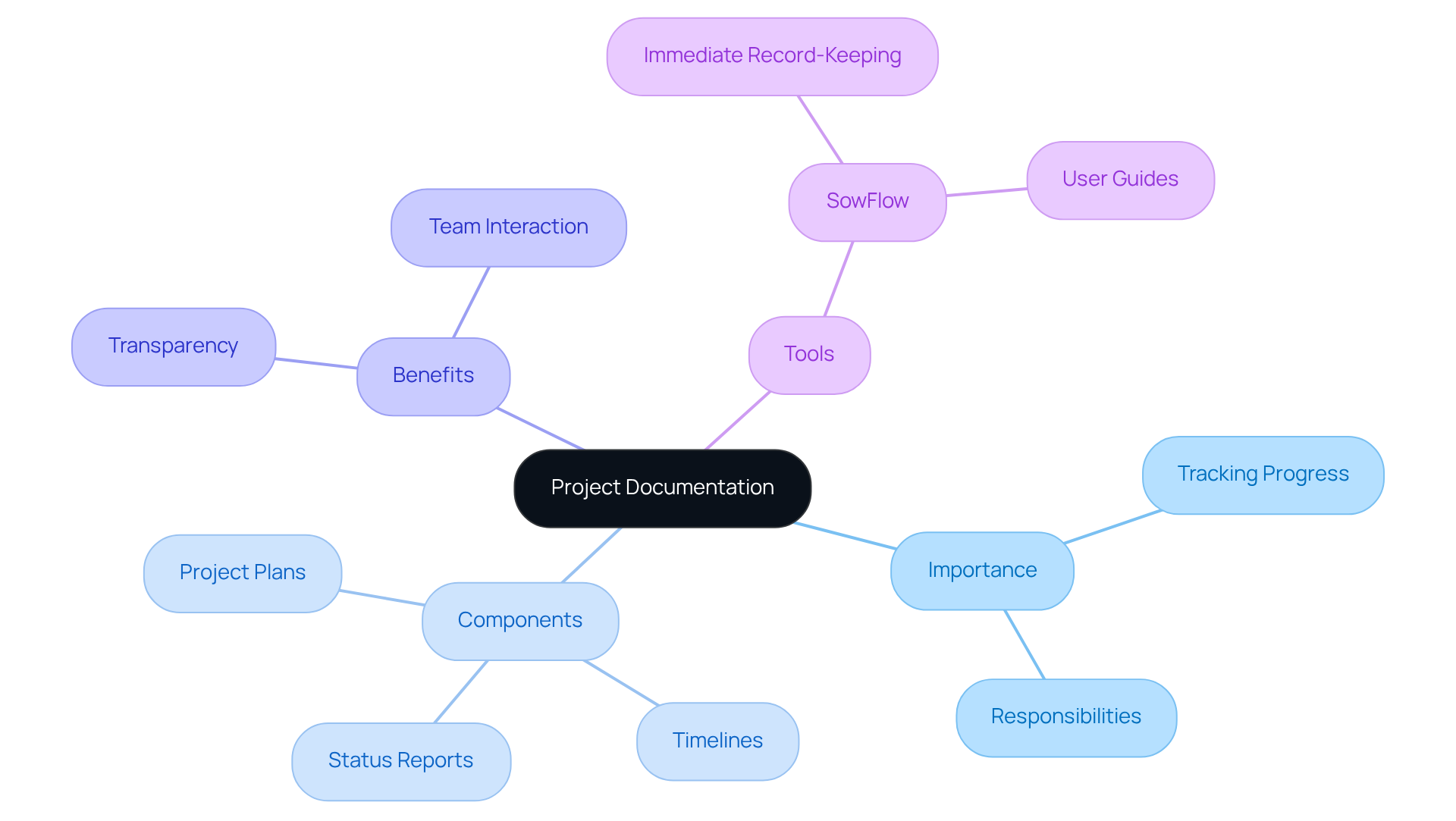
- Effective project documentation aids in tracking progress and responsibilities, improving transparency and team interaction.
- Knowledge bases centralise access to information, boosting productivity and fostering a culture of knowledge sharing.
- Training manuals that are regularly updated enhance employee skills and can lead to a 218% higher income per worker.
- Compliance documentation is vital for adhering to legal standards, helping organisations prepare for audits and reduce risks.
- Technical documentation supports IT operations by providing essential information for troubleshooting and process standardisation.
- Change logs track modifications, promoting transparency and accountability while guiding future decisions and improving project management.
Introduction
You might be wondering why internal documentation is such a big deal. Well, it’s the backbone of operational efficiency! Yet, many organizations find it tough to implement effectively. By using different types of documentation - from standard operating procedures (SOPs) to employee handbooks - businesses can really streamline their processes, boost communication, and create a culture of continuous improvement.
But here’s the challenge: how can companies whip up and keep impactful internal documentation that not only ticks the regulatory boxes but also gets employees engaged and productive? In this article, we’ll explore ten compelling examples of internal documentation that can truly transform how organizations operate. Plus, we’ll share insights into their benefits and some best practices for making them work for you. So, let’s dive in!
SowFlow: Instant SOP Creation for Efficient Internal Documentation
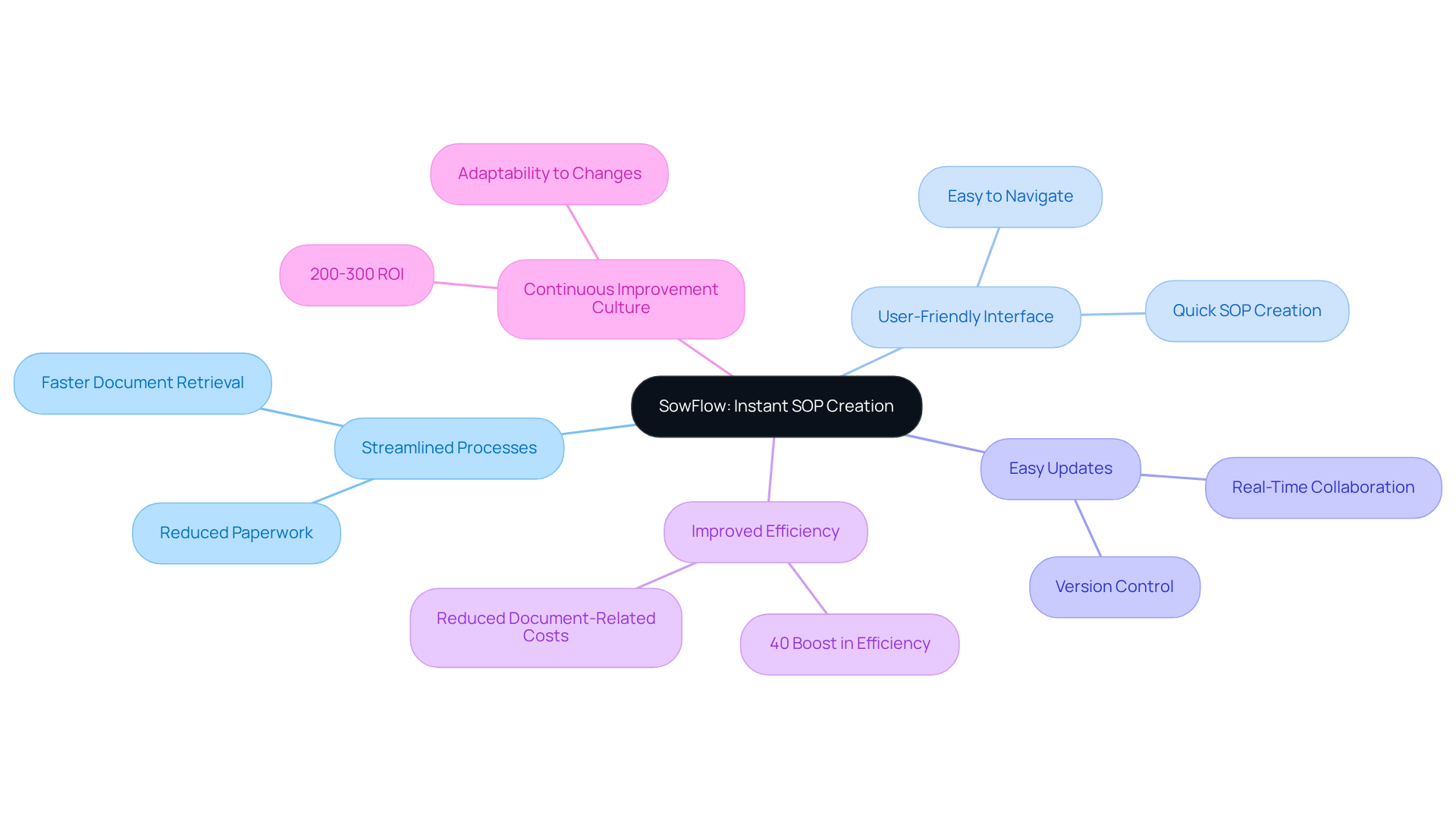
You might be wondering how to streamline your organization's processes, right? Well, this solution enables you to quickly generate an example of , including ! It simplifies and helps teams outline workflows effectively. Imagine so your employees can focus on what they do best.
Creating detailed SOPs with SowFlow's user-friendly interface serves as an that becomes a breeze. They’re not just easy to update; sharing them is straightforward too! This means everyone stays in the loop with the latest procedures. And guess what? Organizations that adopt these often see a whopping . Pretty impressive, huh?
But that’s not all! This approach serves as an example of that nurtures a . Teams can quickly adapt to changes and refine their processes, leading to better operational outcomes. In fact, companies that embrace can enjoy an incredible return on investment of 200-300% within the first year. Talk about financial benefits from efficient documentation practices!
Employee Handbook: Essential Guidelines for New Hires
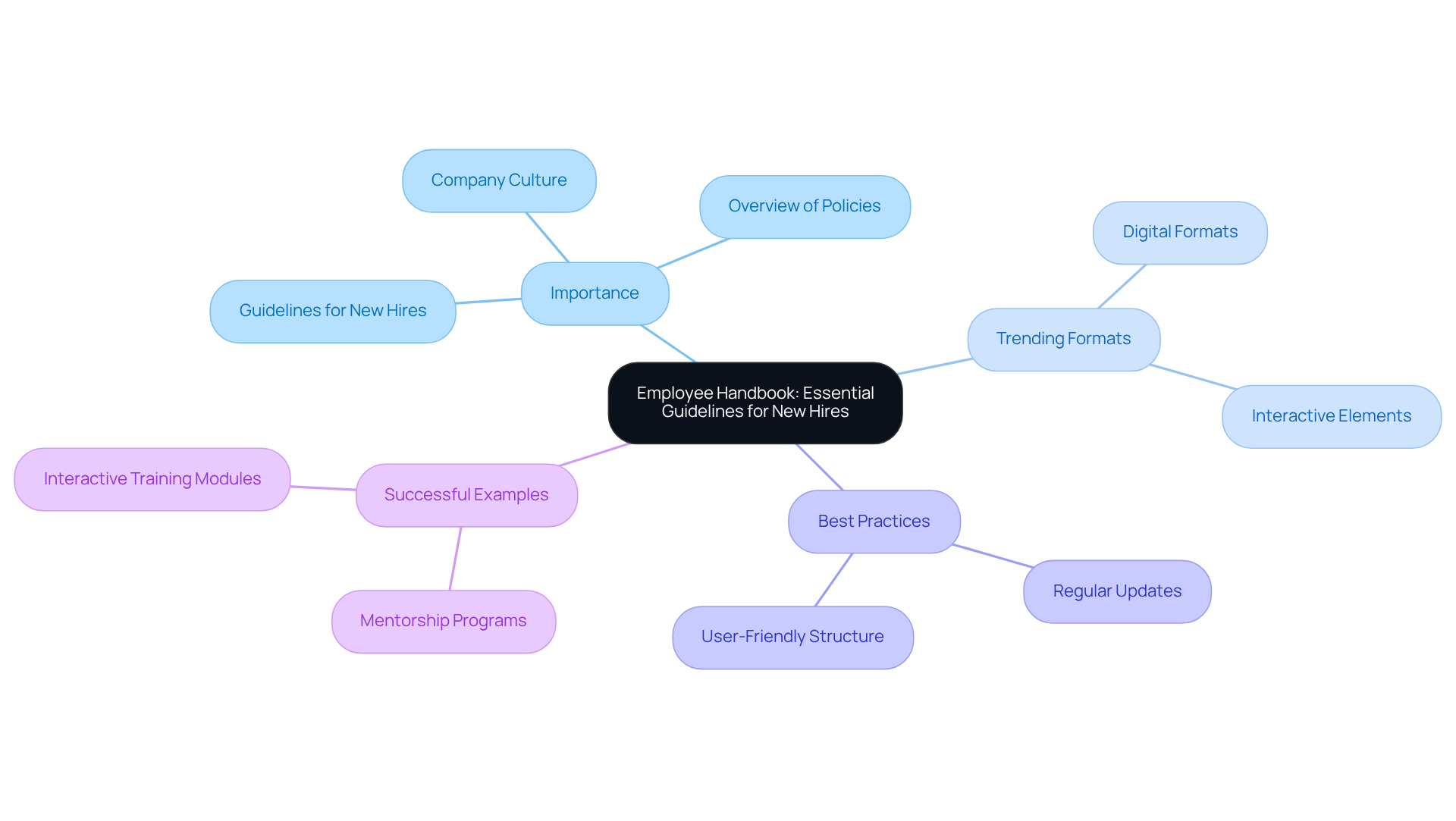
You might be wondering why a is so important. Well, it’s an example of that is a key resource for bringing new hires up to speed, giving them a solid overview of , culture, and what’s expected of them. Think of it as a friendly guide that covers everything from company values and the code of conduct to benefits and procedures for different situations. By laying out clear guidelines, the handbook helps new staff settle in quickly, cutting down on confusion and helping them feel like they belong right from the start.
Now, let’s talk about what’s trending in s. These days, many companies are opting for digital formats and interactive elements, making the information not just accessible but also engaging. suggest that handbooks should be updated regularly to keep up with changes in and industry standards. This way, they stay relevant and useful. Experts also emphasize the need for a user-friendly structure, complete with a and easy navigation, to really enhance that .
Successful companies really shine when it comes to , with their handbooks serving as an example of that plays a big role in that. For example, organizations that include mentorship programs and interactive training modules in their handbooks often see . Plus, a well-structured handbook that clearly outlines can significantly boost new hires' confidence and help them integrate into the company culture. By focusing on these elements, companies can create a robust that sets the stage for long-term success.
Standard Operating Procedures (SOPs): Consistency in Business Operations
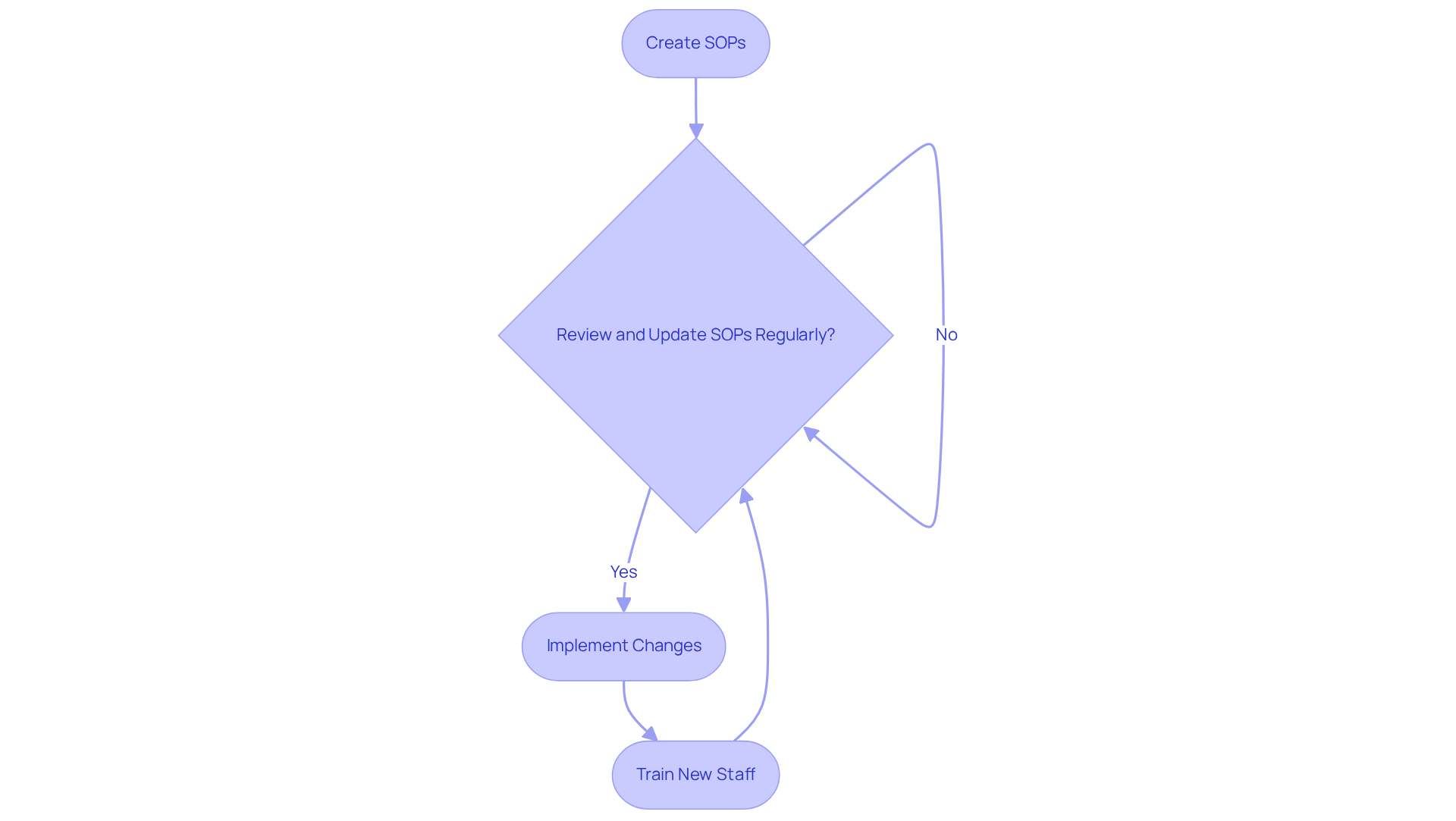
You might be wondering why are such a big deal. Well, they’re absolutely crucial for making sure that everyone on your team performs tasks consistently and accurately. Organizations can by creating an example of that clearly and structurally outlines their processes. Think of -they clarify roles and responsibilities and make training newcomers a breeze. In fact, companies that have their act together with organized procedures often see a whopping 30% reduction in training time, which means new staff can jump in and contribute much faster.
Now, let’s talk about the . Regularly reviewing and updating them is key to staying relevant in today’s fast-paced business world. Research shows that organizations that frequently update their SOPs can snag efficiency gains of up to 30%. This proactive approach is an that not only helps with compliance but also creates a . For example, a leading telecommunications provider in Indonesia saw a jaw-dropping 67% reduction in operational delays after they standardized their processes. Pretty impressive, right?
Operations managers are all about , and one manager put it perfectly: 'Having clear SOPs is an example of that has transformed our training approach, allowing us to onboard new team members with confidence.' This really highlights a trend-organizations that leverage SOPs tend to report better consistency and quality in their operations, which leads to happier employees and increased productivity. Plus, users of digital tools from this platform, like Anastasia Masadi, a Product Owner, have found it to be a game changer. She said, 'I no longer need to take each screenshot separately or leave the browser while creating SOPs and training materials. This platform has truly given me time back in my life.' It’s clear that tools like SowFlow are enhancing operational efficiency by cutting down the time spent searching for information, showing just how important it is to modernize our documentation practices.
Meeting Notes: Keeping Teams Aligned and Informed
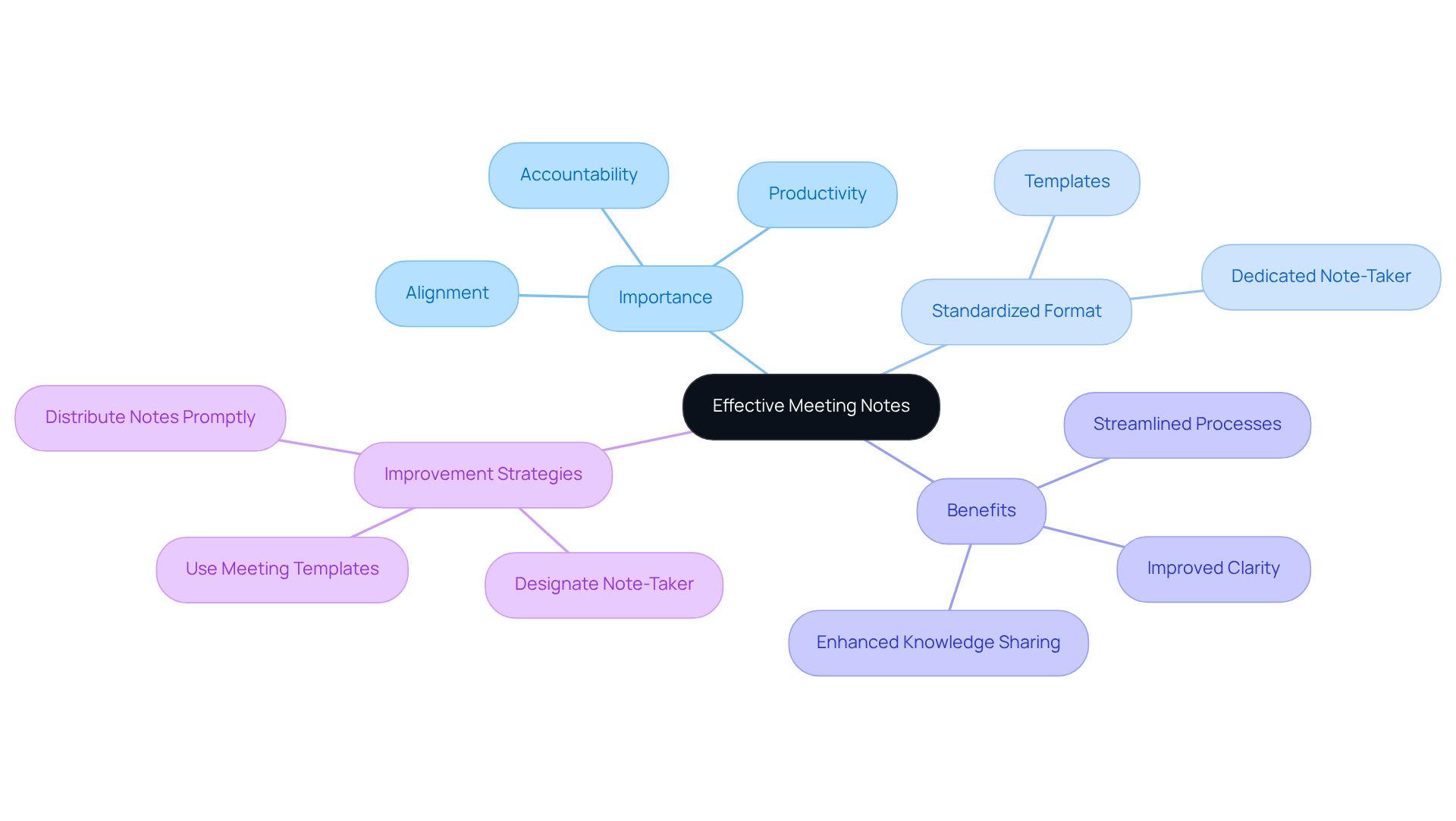
You might be wondering why are such a big deal. Well, they’re essential for keeping everyone aligned and informed! These notes should capture all the key points, decisions, and action items discussed during meetings. And let’s be honest, distributing them right after the meeting helps everyone stay accountable and on the same page.
Now, if you think about it, adopting a can really boost clarity. Plus, it makes it super easy to refer back to those important discussions later on. Organizations that make a priority often see a noticeable improvement in group dynamics and productivity. In fact, did you know that 54% of workers leave meetings without a clear understanding of what to do next? That just shows how crucial it is to have in place.
So, how can you improve your note-taking game? Simple! Designate a dedicated note-taker and use templates to ensure that all critical information is captured and communicated effectively. And here’s the kicker: do more than just help with immediate tasks. They allow teams to share notes quickly, ensuring everyone has access to the right documents in no time. This not only streamlines processes but also enhances onboarding and knowledge sharing, leading to better overall efficiency.
Speaking of teamwork, Andrew Carnegie once said that it’s all about collaborating towards a shared vision. Clear records are key to making that happen! Companies that embrace systematic note-taking often report , which ultimately boosts operational efficiency. By fostering a culture of responsibility through and for quick access to records, organizations can transform their approach to collaboration and achieve shared success.
Project Documentation: Tracking Progress and Responsibilities
You might be wondering just how important really are. Well, they play a critical role in tracking progress and responsibilities throughout the project lifecycle. Think about it: , timelines, and all provide a clear view into how things are developing. By using an example of for milestones and deliverables, teams can spot potential roadblocks early on and tweak their strategies as needed.
Now, let’s dive into why transparency matters. When everyone has access to clear records, it boosts interaction among team members. This way, everyone knows their duties and timelines, which is super helpful! And here’s where SowFlow comes in. With its immediate record-keeping solution, teams can easily create and update an , such as . This means fewer needless meetings and ensures that all remain relevant and accessible.
Imagine having instant access to vital information at your fingertips! It streamlines and really enhances overall productivity. So, why not take a closer look at how effective documentation can transform your experience?
Knowledge Base: Centralized Access to Important Information
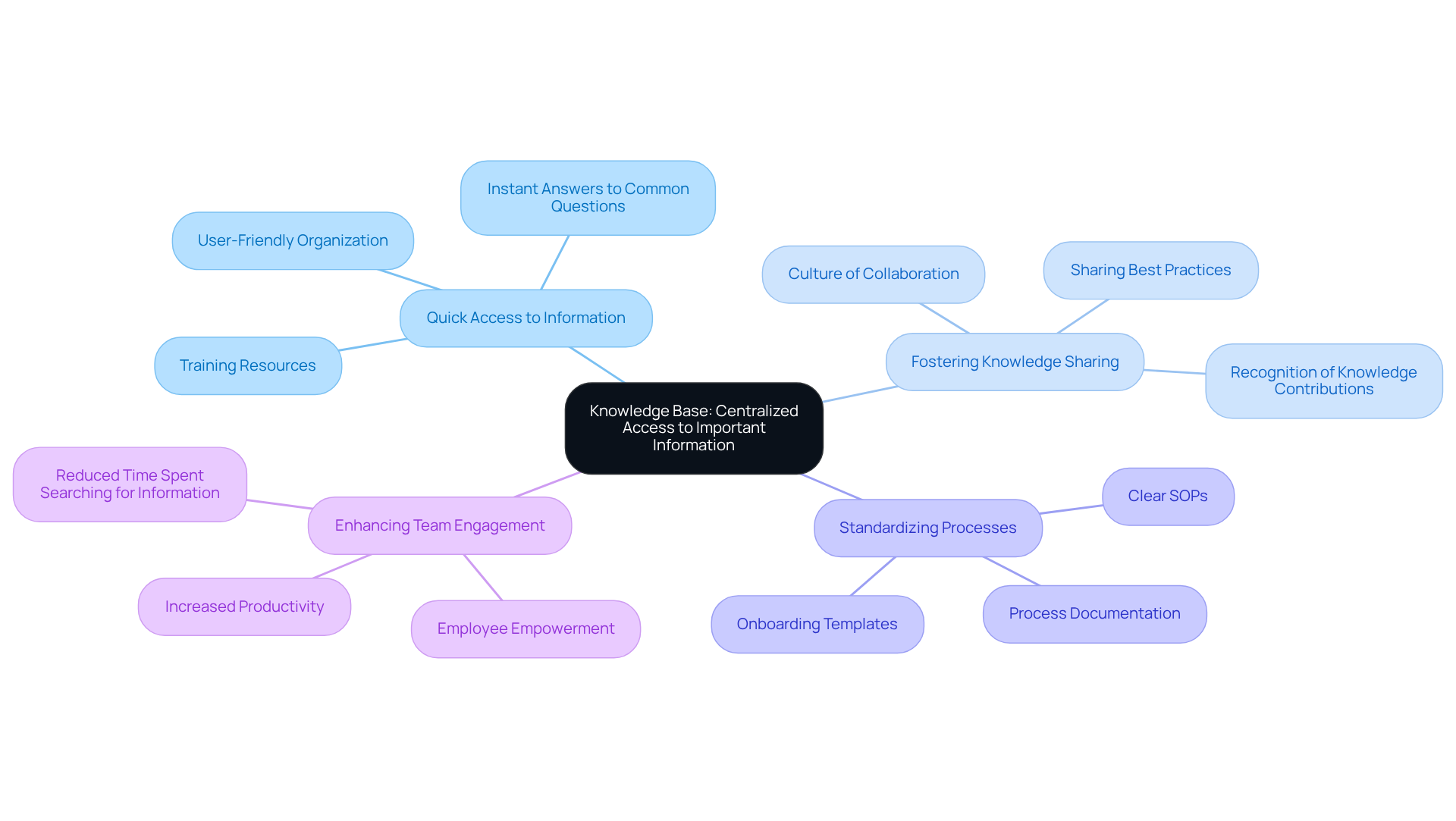
You might be wondering how a can really help your organization. Well, it’s a game changer! Consider it an example of , serving as a . With this system in place, your team can quickly find answers to common questions, grab , and share . This not only but also fosters a culture of .
The platform serves as an example of by organizing content in a user-friendly way, which cuts down on the time employees spend hunting for information. Imagine how much smoother things would run if everyone could find what they need in a snap! And let’s not forget about keeping the fresh. Regular updates using are key to making sure it stays relevant and useful.
Speaking of efficiency, this approach is an example of that really helps with , onboarding new team members, and sharing knowledge across the board. It’s all about enhancing team engagement and making work life a little easier. So, why not explore how a well-maintained can transform your organization?
Training Manuals: Essential Resources for Employee Development
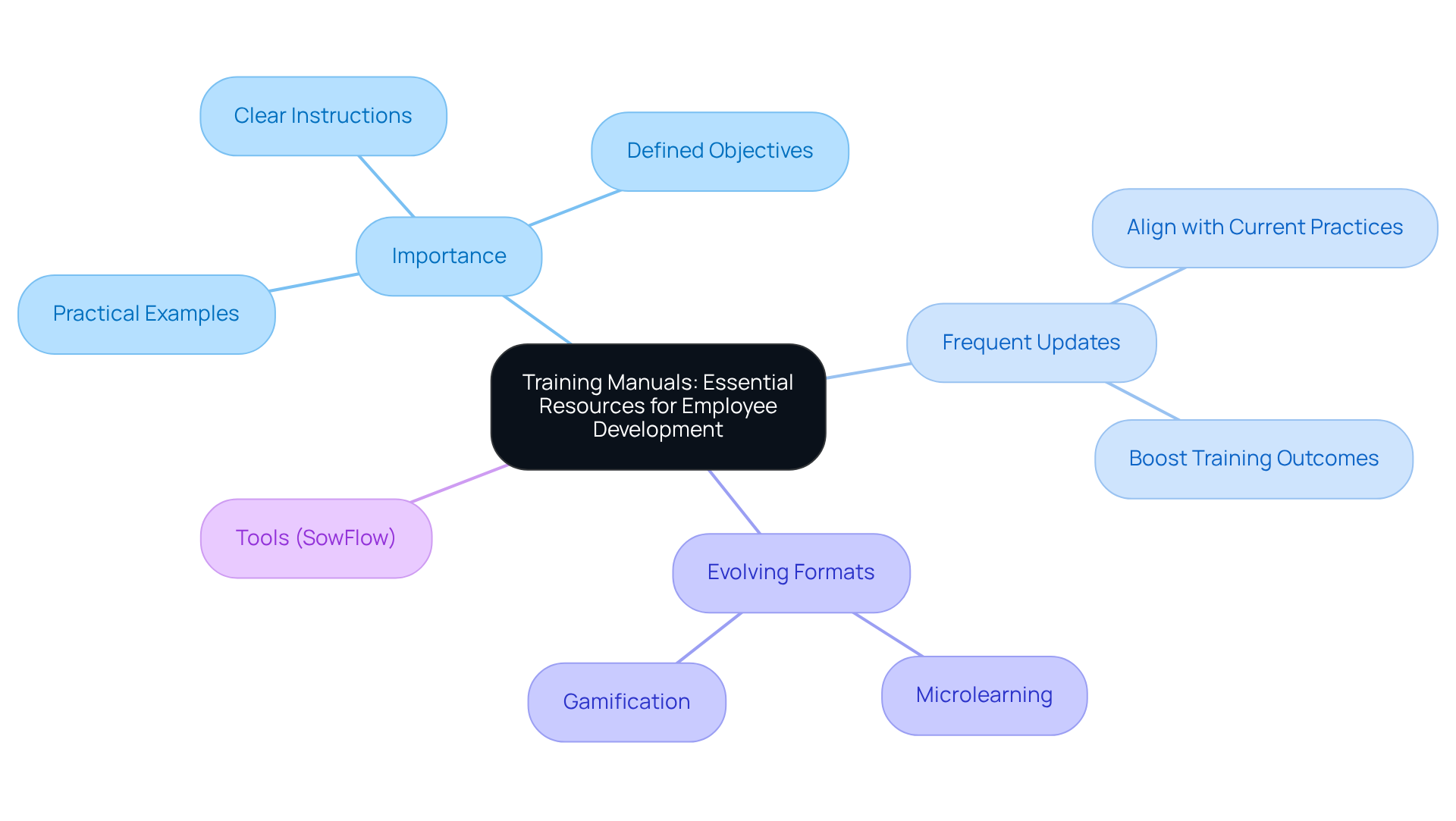
You might be wondering how can really make a difference in your workplace. Well, they’re not just dry documents; an example of , they’re essential resources that help staff understand their roles and responsibilities. When done right, effective manuals include clear instructions, defined objectives, and practical examples that make learning a breeze. These manuals are an example of that empowers staff to build the skills they need to shine in their roles through a .
Now, let’s talk about the importance of keeping those . Frequent updates are key! They ensure that everything aligns with current practices and technologies, which is crucial for ongoing staff development. In fact, organizations that invest in well-organized , which serve as an example of , often see . Research even shows that companies with enjoy a whopping 218% higher income per worker compared to those that don’t.
Speaking of trends, have you noticed how are evolving? There’s a big push for engaging formats like microlearning and gamification, which not only boost retention but also keep motivation high. HR specialists often provide an example of ! They point out that are an example of that do more than just improve job performance; they foster a culture of continuous learning. This makes staff feel valued and engaged in their own development. As one HR expert put it, 'Investing in staff career development shows that a company truly cares about its workforce's growth.' This commitment to structured training resources ultimately leads to a more skilled and adaptable workforce, ready to tackle the challenges of a fast-paced business world.
And here’s where SowFlow comes in! With its immediate record-keeping solution, creating and updating training materials is a breeze. You can ensure that everything reflects the latest practices and technologies. This not only supports but also boosts productivity by giving teams quick access to the materials they need. So, why not explore how can transform your training approach?
Compliance Documentation: Adhering to Legal and Regulatory Standards
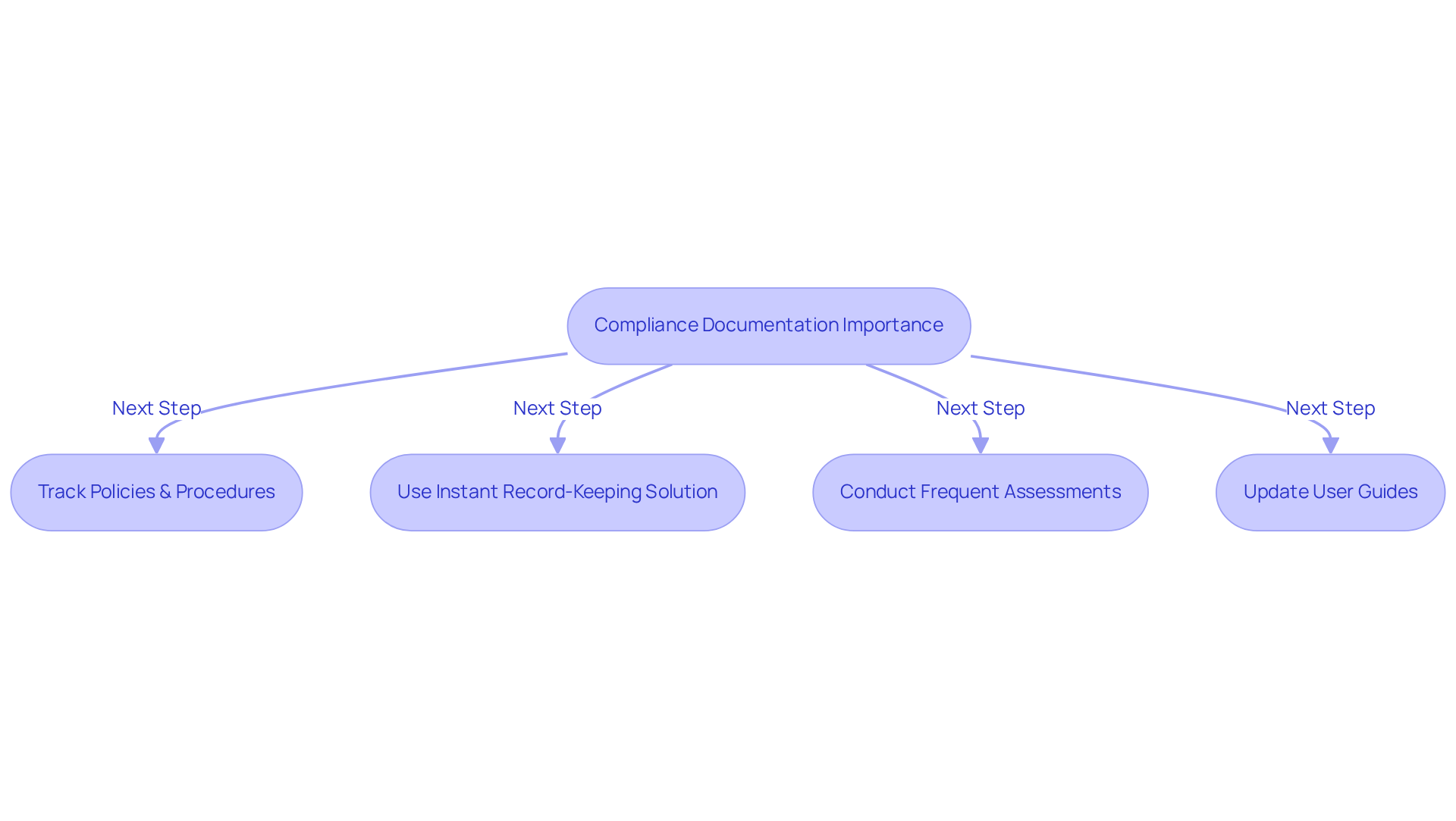
You might be wondering why compliance records are such a big deal for organizations. Well, they’re crucial for showing that you’re . This means keeping track of all those policies, procedures, and , which serves as an example of . By using an , you can make sure your records are spot-on and up-to-date, which really helps .
Now, let’s dive into how can be a game changer. With tools like SowFlow, you can easily spot , ensuring that everyone on your team knows their compliance responsibilities. And speaking of keeping things fresh, SowFlow’s are an example of that makes it a breeze to update and revise your records, keeping them relevant in today’s fast-paced business world. So, why not take a closer look at how effective documentation can make your life easier?
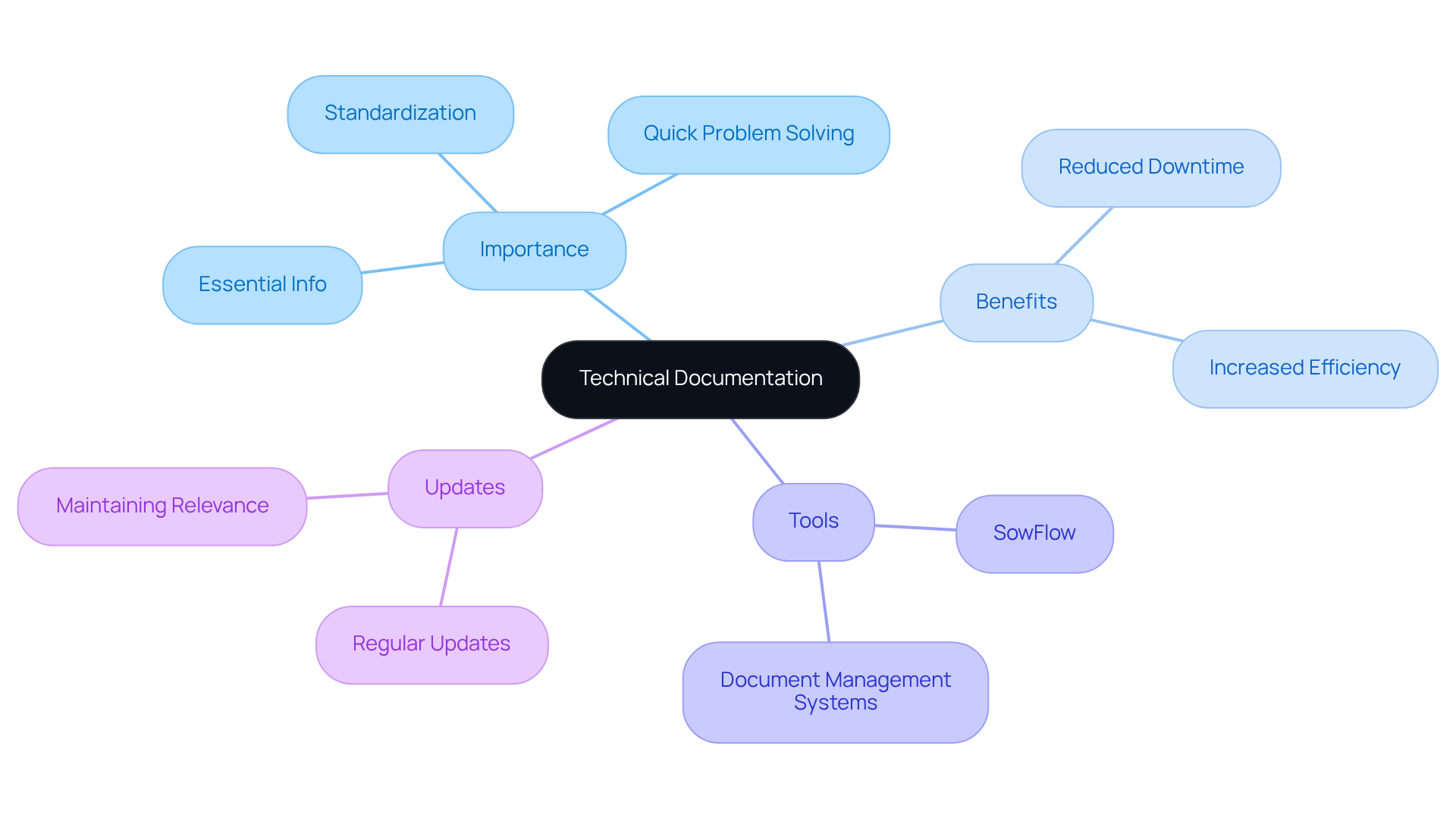
Technical Documentation: Supporting IT Operations and Troubleshooting
You might be wondering why are so important. Well, they’re like the secret sauce for IT teams, providing . Think of them as your go-to guide for tackling problems quickly and effectively.
With a rapid at your fingertips, you can summon the knowledge of your records with just a single command. How cool is that? You can effortlessly whip up and update , making sure all those and configurations are spot on. This not only cuts down on downtime but also .
And here’s the kicker: with regular updates to your via , you keep everything relevant. This means your IT operations can run smoothly, and your team has immediate access to the info they need. So, why not take a moment to think about how ?
Change Logs: Tracking Modifications for Transparency and Accountability
You might be wondering why change logs are such a big deal. Well, they’re essential for . Think of them as a historical record that helps teams follow the journey of a project and understand the reasons behind each decision. By maintaining a well-organized change log, organizations can , making sure everyone is in the loop about what’s new and what’s changed.
Now, let’s dive into why regular reviews of change logs are a game-changer. Not only do they help spot trends, but they also guide future decisions, nurturing a . It’s interesting to note that organizations that prioritize . This can lead to smoother and enhanced team performance. In fact, a report reveals that a staggering , which really highlights the need for effective change logs.
And here’s something to think about: 85% of executives and project managers have noticed a rise in . This trend underscores the growing importance of keeping organized change logs. As Norman Wood puts it, "," which perfectly captures how within teams.
Clients like Anastasia Masadi, a Product Owner, have shared their experiences, saying, " and deliver to our clients." This shows just how much a solid can save time and let teams focus on what really matters.

Conclusion
Streamlining internal documentation isn’t just a trend; it’s a must for organizations looking to boost efficiency and create a culture of continuous improvement. You might be wondering how this works. By putting various forms of internal documentation into play - think SOPs, employee handbooks, meeting notes, and training manuals - companies can cut down on errors, make onboarding smoother, and ultimately ramp up productivity. And let’s not forget about tools like SowFlow, which really take these benefits up a notch, allowing teams to create, update, and share important info without a hitch.
Throughout this article, we’ve highlighted the importance of having different types of documentation. From crafting clear SOPs that keep operations consistent to developing engaging employee handbooks that make onboarding a breeze, each example shows how effective documentation can lead to real improvements in efficiency. Plus, integrating change logs and project documentation fosters transparency and accountability, giving teams the confidence to tackle challenges head-on.
So, what’s the takeaway? Investing in solid internal documentation not only streamlines operations but also creates an environment where employees feel equipped and engaged. Organizations should really prioritize these documentation strategies - not just to enhance their operational effectiveness but also to keep up with the ever-changing business landscape. Embracing these practices will set the stage for a more informed, agile, and productive workforce, ultimately driving long-term success. Now, doesn’t that sound like a win-win?
Frequently Asked Questions
What is SowFlow and how does it help with internal documentation?
SowFlow is a solution that enables organizations to quickly generate internal documentation, including standard operating procedures (SOPs). It simplifies record-keeping and helps teams outline workflows effectively, allowing employees to focus on their core tasks.
What are the benefits of using SowFlow for creating SOPs?
Using SowFlow for creating SOPs leads to easier updates and straightforward sharing, ensuring everyone is informed about the latest procedures. Organizations that adopt such digital tools often see a 40% boost in efficiency.
How does SowFlow contribute to continuous improvement in organizations?
SowFlow nurtures a culture of continuous improvement by allowing teams to quickly adapt to changes and refine their processes, resulting in better operational outcomes. Companies that embrace document automation can achieve a return on investment of 200-300% within the first year.
Why is an employee handbook important for new hires?
An employee handbook is essential for bringing new hires up to speed by providing an overview of company policies, culture, and expectations. It helps reduce confusion and fosters a sense of belonging from the start.
What are the current trends in employee handbooks?
Many companies are adopting digital formats and interactive elements in their handbooks to enhance accessibility and engagement. Regular updates to reflect changes in policies and a user-friendly structure with clear navigation are also recommended.
How can an effective employee handbook improve onboarding processes?
An effective employee handbook can significantly boost new hires' confidence and help them integrate into the company culture. Including mentorship programs and interactive training modules can lead to higher engagement and retention rates.
What are the key purposes of Standard Operating Procedures (SOPs)?
SOPs are crucial for ensuring consistent and accurate task performance among team members. They help reduce errors, enhance efficiency, clarify roles and responsibilities, and simplify training for newcomers.
Why is it important to regularly update SOPs?
Regularly reviewing and updating SOPs is essential to remain relevant in a fast-paced business environment. Organizations that frequently update their SOPs can achieve efficiency gains of up to 30%.
What impact can standardized processes have on operational delays?
Standardized processes can significantly reduce operational delays. For example, a telecommunications provider in Indonesia experienced a 67% reduction in operational delays after standardizing their processes.
How do digital tools like SowFlow improve documentation practices?
Digital tools like SowFlow enhance operational efficiency by reducing the time spent searching for information and streamlining the creation of SOPs and training materials, allowing users to focus on their work more effectively.
List of Sources
- SowFlow: Instant SOP Creation for Efficient Internal Documentation
- deliberatedirections.com (https://deliberatedirections.com/quotes-optimizing-productivity)
- sowflow.io (https://sowflow.io/blog-post/9-benefits-of-sop-in-manufacturing-for-operational-excellence)
- Digital Documentation Software vs. Traditional Methods: A Comparative Analysis (https://sowflow.io/blog-post/digital-documentation-software-vs-traditional-methods-a-comparative-analysis)
- 25 Inspirational Business Process Improvement Quotes (https://teamguru.com/blog/25-inspirational-business-process-improvement-quotes/1632)
- Employee Handbook: Essential Guidelines for New Hires
- 25 Surprising Employee Onboarding Statistics in 2026 | StrongDM (https://strongdm.com/blog/employee-onboarding-statistics)
- newployee.com (https://newployee.com/blog/employee-onboarding-statistics)
- Employee Onboarding Statistics: Top Trends & Insights (2025) | Devlin Peck (https://devlinpeck.com/content/employee-onboarding-statistics)
- 35 employee onboarding statistics every HR should know (2025) (https://appical.com/resources/blog/employee-onboarding-statistics)
- Standard Operating Procedures (SOPs): Consistency in Business Operations
- sowflow.io (https://sowflow.io/blog-post/9-benefits-of-sop-in-manufacturing-for-operational-excellence)
- Why Are SOPs Important? Understanding Their Impact on ROI - Whale (https://usewhale.io/blog/the-importance-of-sops)
- 85 Quotes - Operational Excellence and Continuous Improvement | Rever (https://reverscore.com/85-quotes-operational-excellence-and-continuous-improvement)
- 25 Inspirational Business Process Improvement Quotes (https://teamguru.com/blog/25-inspirational-business-process-improvement-quotes/1632)
- Meeting Notes: Keeping Teams Aligned and Informed
- 5 Meeting Analytics Metrics That Every Team Should Track (https://peoplebeam.com/blog/meeting-analytics-metrics-improvement-guide)
- +70 Insightful Meeting Statistics (https://noota.io/en/meeting-statistics-guide)
- rock.so (https://rock.so/blog/teamwork-quotes)
- 100 Surprising Meeting Statistics for 2026 (https://flowtrace.co/collaboration-blog/50-meeting-statistics)
- 95 motivational teamwork quotes - Work Life by Atlassian (https://atlassian.com/blog/inside-atlassian/good-teamwork-quotes-youll-like)
- Project Documentation: Tracking Progress and Responsibilities
- 110+ project management statistics and trends for 2026 (https://monday.com/blog/project-management/project-management-statistics)
- 35+ Mind-Blowing Project Management Statistics for 2026 (https://thebusinessdive.com/project-management-statistics)
- thedigitalprojectmanager.com (https://thedigitalprojectmanager.com/project-management/project-management-statistics)
- 25 project management statistics to guide your plans in 2025 (https://contentsnare.com/project-management-statistics)
- 31 Must-Know Project Management Statistics in 2026 (https://proofhub.com/articles/project-management-statistics)
- Knowledge Base: Centralized Access to Important Information
- notifyvisitors.com (https://notifyvisitors.com/pb/blog/knowledge-base-statistics)
- Knowledge Management Statistics and Trends in 2025 (https://cake.com/blog/knowledge-management-statistics)
- Quotes About Knowledge Management: Our Favorites of ALL Time - Whale (https://usewhale.io/blog/knowledge-management-quotes)
- Key Knowledge Base Stats & Trends for 2025 (https://document360.com/blog/knowledge-base-statistics)
- Top 8 Knowledge Management Statistics in 2026 (https://knowmax.ai/blog/knowledge-management-statistics)
- Training Manuals: Essential Resources for Employee Development
- Essential Employee Training Statistics for 2025 | Levelup LMS (https://leveluplms.com/key-employee-training-statistics-data-driven-trends-for-2025)
- 70+ Employee Training & Development Statistics in 2026 (https://whatfix.com/blog/employee-training-statistics)
- Employee Training Statistics, Trends, and Data in 2025 | Devlin Peck (https://devlinpeck.com/content/employee-training-statistics)
- Employee Training Stats, Trends & Data: Why it Matters (https://peoplegoal.com/blog/employee-training-stats)
- Employee Training Statistics, Trends, And Data In 2025 (https://elearningindustry.com/employee-training-statistics-trends-and-data)
- Compliance Documentation: Adhering to Legal and Regulatory Standards
- 101 Compliance Statistics for 2026 (https://spacelift.io/blog/compliance-statistics)
- 100+ Compliance Statistics You Should Know in 2025 (https://sprinto.com/blog/compliance-statistics)
- 115 Compliance Statistics You Need To Know in 2023 - Drata (https://drata.com/blog/compliance-statistics)
- Key Compliance Statistics & Insights For 2025 | Zluri (https://zluri.com/blog/key-compliance-statistics-and-insights-for-2024)
- 130+ Compliance Statistics & Trends to Know for 2026 (https://secureframe.com/blog/compliance-statistics)
- Technical Documentation: Supporting IT Operations and Troubleshooting
- 11 Documentation Statistics to Make You Rethink Process in 2025 - Whale (https://usewhale.io/blog/documentation-statistics)
- Rethinking Your Document Management (https://business.com/articles/7-statistics-that-will-make-you-rethink-your-document-management-strategy)
- Document Management Stats & Trends in Digital Era | Insights丨PDF Reader Pro (https://pdfreaderpro.com/blog/document-management-statistics)
- Understanding the Types of Technical Documents for Operations Managers (https://sowflow.io/blog-post/understanding-the-types-of-technical-documents-for-operations-managers)
- Top IT Quotes - Top IT and Technology Quotes - Freshservice Thoughts (https://freshworks.com/explore-it/top-it-quotes)
- Change Logs: Tracking Modifications for Transparency and Accountability
- 30 Change Management Statistics (https://blog.invgate.com/change-management-statistics)
- 59 Change Management Statistics | Pollack Peacebuilding Systems (https://pollackpeacebuilding.com/blog/change-management-statistics)
- changing-point.com (https://changing-point.com/organisational-change-management-statistics)
- Powerful Accountability Quotes for Personal and Professional Growth (https://effy.ai/blog/accountability-quotes)
- The Top 200 Change Management Quotes (https://praxie.com/top-change-management-quotes)
👍
What others are liking


5 Steps to outline your ideal documentation structure
5 MINS READ
Where to start the your journey of mapping out your ideal documentation structure, aligning it with the very heartbeat of your organization?
Defining a winning level of detail in your process
3 MINS READ
What is too much detail, and what is too little? This article described in that winning level detail about what detail is enough.


