

Streamlined Onboarding Processes
|
April 29, 2026
|

Master the 30-60-90 Day Onboarding Template for Success
Key Highlights
- The 30-60-90 day onboarding plan is divided into three phases: Learning (first 30 days), Contributing (next 30 days), and Executing (final 30 days).
- In the Learning phase, new hires familiarise themselves with company culture and tools, which is critical for retention (82% increase with organised onboarding).
- During the Contributing phase, employees set goals and build relationships, with supported new hires being 18 times more likely to stay.
- The Executing phase involves taking initiative and aligning work with company goals, addressing the fact that 30% of employees leave within 90 days.
- Key components of an effective onboarding plan include clear objectives, structured training, mentorship, regular cheque-ins, and cultural integration.
- Companies with organised orientation processes experience a 50% increase in productivity and 2.5 times more revenue growth.
- Effective onboarding leads to enhanced employee involvement, higher retention rates (82% more likely to stay), faster time to productivity, and improved performance.
- A positive onboarding experience reinforces company culture, fostering a sense of belonging and commitment among new hires.
Introduction
You might be wondering how a successful transition into a new job can really shape an employee's long-term satisfaction and productivity. Well, that’s where the 30-60-90 day onboarding template comes in! It’s a strategic framework designed to help new hires navigate their first months with clarity and purpose. But here’s the big question: how can organizations make sure their onboarding processes are not just effective but also engaging enough to keep talent around?
In this article, we’ll dive into the essential components and best practices of the 30-60-90 day onboarding plan. You’ll see how a structured approach can really boost employee retention and performance. So, let’s get started!
Define the 30-60-90 Day Onboarding Plan
You might be wondering how to make the most of those first few months in a new job. Well, the 30-60-90 day onboarding template is here to help! Think of it as your roadmap for a smooth transition into your new role, ensuring you feel engaged and ready to contribute. This plan breaks down your first three months into three key phases:
- First 30 Days (Learning Phase): This is your time to soak it all in! Getting familiar with the company culture, policies, and your specific role is crucial. During this phase, jump into training sessions, meet your teammates, and get to know the tools and resources at your disposal. Did you know that a well-organized onboarding process can boost retention rates by a whopping 82%? That’s right! Having designated trainers to guide you can make all the difference in easing your transition.
- Next 30 Days (Contributing Phase): Now that you’ve got the lay of the land, it’s time to roll up your sleeves and dive into your responsibilities. Set some specific goals, ask for feedback, and start building those all-important relationships with your colleagues. Research shows that employees who feel supported during onboarding are 18 times more likely to stick around. Just remember, it’s easy to overwhelm new hires with too much info, so take it step by step!
- Final 30 Days (Executing Phase): This is where you really start to shine! Show what you’ve learned, take the initiative on projects, and align your work with the company’s goals. A structured orientation not only ramps up productivity but also makes you feel valued right from the start. Keep in mind that 30% of employees leave their jobs within 90 days, which highlights the importance of effective training strategies.
Implementing a 30-60-90 day onboarding template can transform your onboarding experience, which helps to reduce turnover and boost team performance. By investing in a solid orientation, companies can create a welcoming atmosphere that supports new hires on their journey to success. As HR Manager Michelle Hague puts it, "The risk of a poor introduction experience is that it can lead to employee dissatisfaction, which can have long-term effects on morale and productivity." So, let’s make sure that doesn’t happen!

Identify Key Components of an Effective Plan
Are you creating a solid 30-60-90 day onboarding template? You’ll want to include a few key components to really set your new hires up for success:
- Clear Objectives: First off, let’s talk about goals. Establishing specific, measurable objectives for each phase of the onboarding process is crucial. This clarity helps new employees grasp what’s expected of them and gives them benchmarks to aim for. Did you know that companies with organized orientation processes see a whopping 50% boost in productivity? That just goes to show how important clear objectives are!
- Structured Training: Next up, think about training. You’ll want to incorporate comprehensive sessions that cover all the essential skills and knowledge needed for the role - think product training, software usage, and company policies. With [SowFlow's instant documentation solution](https://sowflow.io), you can whip up user guides that outline all the training materials, making sure new hires have easy access to the info they need. Companies that invest in effective orientation can actually achieve 2.5 times more revenue growth than those that don’t. Pretty impressive, right?
- Mentorship and Support: Now, let’s not forget about mentorship. Assigning a buddy or mentor to guide the new employee through their onboarding journey can make a world of difference. This relationship not only fosters a sense of belonging but also provides a go-to resource for questions and support. New hires with engaged managers are 3.4 times more likely to describe their induction experience as exceptional. That really highlights how vital mentorship is!
- Regular Check-ins: How about regular check-ins? Scheduling frequent chats to discuss progress, address any concerns, and provide feedback is a great way to ensure new employees feel valued and supported. Research shows that those who receive consistent feedback during their initial training are more likely to stay engaged and committed to their roles. So, don’t skip this step!
- Cultural Integration: Finally, let’s talk culture. Including activities that help new hires understand the company culture, values, and mission is key. This alignment helps them connect their personal goals with the organization’s objectives. With SowFlow's documentation features, you can create guides that share cultural insights and resources, enhancing the overall onboarding experience. Organizations that prioritize cultural integration during training see a 63% year-over-year increase in customer satisfaction. That’s the power of a strong cultural foundation!

Implement the Onboarding Plan Effectively
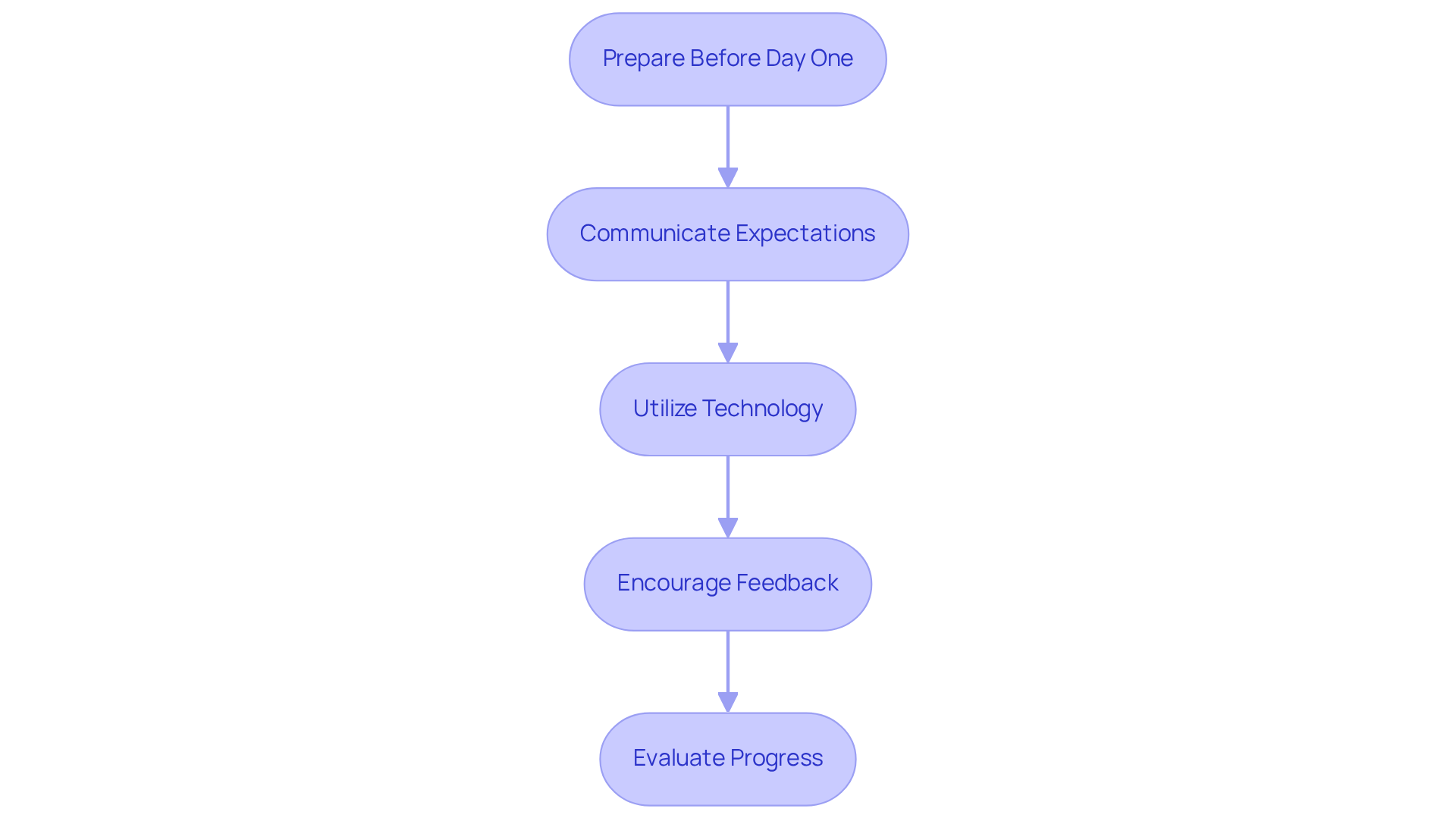
To implement the [30-60-90 day onboarding template](https://sowflow.io/blog-post/master-the-30-60-90-day-onboarding-template-for-success) effectively, you might be wondering where to start. Here are some steps that can really make a difference:
- Prepare Before Day One: First things first, make sure all the necessary resources, tools, and access are ready for your new employee before they even step through the door. This means setting up accounts, providing equipment, and prepping training materials. Did you know that organizations that kick off the integration process before day one are 35% more likely to boost new employee retention? Pretty impressive, right?
- Communicate Expectations: Next up, it’s crucial to clearly convey the objectives and expectations for those first 90 days. This sets a clear direction for your new hire. Studies show that 44% of workers who feel connected to their company are more likely to recommend it to others. So, let’s make sure they feel that connection!
- Utilize Technology: Now, let’s dive into technology. Tools like SowFlow’s documentation software can really streamline the onboarding process. By storing documented workflows in your team’s workspace, SowFlow ensures that new employees can access the right documents in seconds. Think about it: producing digital guides, checklists, and training modules that are easy to reach can make a world of difference. Companies that automate orientation tasks can see up to a 16% rise in retention. That’s the power of tech!
- Encourage Feedback: Don’t forget to foster an environment where new employees feel comfortable sharing their thoughts about their onboarding experience. This feedback can help identify areas for improvement and enhance the process for future hires. Engaging new employees in feedback can lead to a tenfold increase in their likelihood to stick around. Who wouldn’t want that?
- Evaluate Progress: Lastly, regularly assess the new employee’s progress against the established goals. This can be done through performance reviews, feedback sessions, and self-assessments. Efficient orientation procedures can lead to a 50% boost in new employee productivity. That really highlights the importance of ongoing assessment, doesn’t it?
Highlight Benefits of a Structured Onboarding Process
You might be wondering why implementing a structured onboarding process is such a big deal. Well, let’s dive into some of the fantastic benefits it brings!
First off, there’s Enhanced Employee Involvement. When new staff members go through a systematic induction process, they’re way more likely to feel engaged and connected to the organization. This connection leads to greater job satisfaction! In fact, studies show that workers who rate their orientation experience a perfect '5' on a 5-point scale are twice as likely to feel equipped and supported in their roles. Can you believe that only 29% of new recruits feel ready to succeed without a solid onboarding experience?
Next up, we have Higher Retention Rates. Organizations that nail their induction programs see significantly lower turnover rates. Research indicates that staff who enjoy a positive orientation experience are 82% more likely to stick around for the long haul. Plus, first-year retention can jump by 50% with a well-organized orientation. That really highlights how crucial onboarding is for keeping talent!
Now, let’s talk about Faster Time to Productivity. A clear integration plan helps new hires hit the ground running. By setting clear goals and providing focused training, they can start contributing to their teams much quicker. For knowledge-based roles, the median time-to-productivity is projected to be just 65 days in 2025. That’s pretty impressive, right?
Then there’s Enhanced Performance. A structured orientation leads to better performance outcomes because staff get the essential skills and knowledge they need to thrive. Organizations that implement formal orientation programs can see a whopping 50% increase in staff productivity. That really underscores the importance of a solid integration strategy!
Finally, let’s not forget about Enhanced Company Culture. A positive onboarding experience reinforces the company’s culture and values, helping new hires understand and fit into the organizational environment. This alignment fosters a sense of belonging and commitment, which is super important for long-term employee engagement.
So, what do you think? Ready to explore how a structured onboarding process can transform your organization?

Conclusion
You know, implementing a 30-60-90 day onboarding template is super important for helping new hires settle into their roles. This structured approach doesn’t just boost employee engagement; it really ramps up retention rates and productivity too! By breaking down the onboarding process into three clear phases - learning, contributing, and executing - organizations can lay out a roadmap that guides new employees through those crucial first months, setting them up for long-term success.
So, what makes an effective onboarding plan? Well, it’s all about:
- Establishing clear objectives
- Providing structured training
- Fostering mentorship
- Conducting regular check-ins
When you put these pieces together, you create an environment where new hires feel valued and supported. This leads to greater job satisfaction and a stronger connection to the company culture. Plus, organizations that focus on these practices can expect to see some serious improvements in employee retention and performance.
In today’s competitive job market, investing in a solid onboarding process isn’t just a nice-to-have; it’s a must! The benefits of a well-designed onboarding program go beyond individual success - they enhance team dynamics and strengthen organizational culture. Companies should definitely consider adopting these best practices and continuously refining their onboarding strategies. By doing this, they not only cut down on turnover but also pave the way for a thriving workforce that aligns with the company’s goals and values. So, why not take that step toward creating a welcoming and productive environment for all new employees?
Frequently Asked Questions
What is the 30-60-90 day onboarding plan?
The 30-60-90 day onboarding plan is a structured roadmap designed to help new employees transition smoothly into their roles over the first three months, divided into three key phases: Learning, Contributing, and Executing.
What should I focus on during the first 30 days of the onboarding plan?
In the first 30 days, known as the Learning Phase, you should familiarize yourself with the company culture, policies, and your specific role. This includes attending training sessions, meeting your teammates, and understanding the tools and resources available to you.
Why is the onboarding process important?
A well-organized onboarding process can significantly boost employee retention rates, with studies showing an increase of up to 82%. Effective onboarding helps new hires feel engaged and ready to contribute.
What activities should I engage in during the next 30 days of the onboarding plan?
During the next 30 days, called the Contributing Phase, you should start taking on responsibilities, set specific goals, seek feedback, and build relationships with colleagues. It's important to pace the information you absorb to avoid feeling overwhelmed.
What is the focus of the final 30 days in the onboarding plan?
The final 30 days, known as the Executing Phase, is when you demonstrate what you’ve learned, take initiative on projects, and align your work with the company’s goals. This phase is crucial for ramping up productivity and feeling valued in your role.
What are the potential consequences of a poor onboarding experience?
A poor onboarding experience can lead to employee dissatisfaction, which may have long-term negative effects on morale and productivity. Approximately 30% of employees leave their jobs within 90 days, emphasizing the need for effective onboarding strategies.
How can companies improve their onboarding process?
Companies can enhance their onboarding process by implementing a structured 30-60-90 day onboarding template, which helps reduce turnover and boost team performance, creating a welcoming atmosphere that supports new hires.
👍
What others are liking


5 Steps to outline your ideal documentation structure
5 MINS READ
Where to start the your journey of mapping out your ideal documentation structure, aligning it with the very heartbeat of your organization?
Defining a winning level of detail in your process
3 MINS READ
What is too much detail, and what is too little? This article described in that winning level detail about what detail is enough.


