

Remote Team Documentation Strategies
|
April 29, 2026
|

What is an ERP Document? Key Concepts and Business Applications
Key Highlights
- An ERP document is any formal record used within an ERP system, including requirements papers, user manuals, and configuration guides.
- ERP documents facilitate communication, ensure compliance, and standardise operations, leading to improved efficiency across departments.
- Effective ERP documentation is crucial for meeting regulatory requirements, providing traceability and accountability.
- The evolution of ERP documents has shifted from technical specifications to user-friendly formats that support real-time updates and teamwork.
- The global ERP market is projected to grow significantly, indicating a rising demand for innovative record-keeping solutions.
- Key components of ERP documents include business requirements, process descriptions, user roles, configuration settings, and version control.
- ERP documents are vital for onboarding new employees, standardising processes, ensuring compliance, managing change, and monitoring performance.
- Organisations that effectively utilise ERP documentation can enhance operational efficiency and improve employee engagement.
Introduction
You might be wondering why understanding ERP documents is so crucial for your organization. Well, these formal records are the backbone of your Enterprise Resource Planning systems. They help streamline communication and standardize processes across different departments. But as your business grows and changes, the need for adaptable and user-friendly documentation becomes even more important.
So, how can you make sure your ERP documents not only meet today’s needs but also prepare you for future challenges? In this ever-evolving business landscape, it’s all about staying ahead of the curve. Let’s dive into how effective documentation can enhance your operational efficiency and compliance!
Define ERP Document: Core Concepts and Importance
You might be wondering what exactly an ERP document is. Well, it’s any formal record that is referred to as an ERP document, which is created, maintained, and used within an Enterprise Resource Planning (ERP) system. This includes everything from requirements papers and user manuals to process records and configuration guides. Why are these documents so important? They help facilitate communication, ensure compliance, and provide a structured way to manage processes.
Think about it: when employees have a solid reference point, it standardizes operations and boosts efficiency across different departments. Organizations that take the time to implement comprehensive ERP records often see a noticeable improvement in operational efficiency. These documents, including the ERP document, clearly outline roles, responsibilities, and workflows, creating a more organized and effective business environment. This clarity not only leads to better decision-making but also contributes to overall operational success.
Now, let’s talk compliance. Effective ERP documents are crucial for meeting today’s regulatory requirements. They provide the traceability and accountability that’s essential in our fast-paced world. Without sufficient records, projects can run into communication breakdowns and compliance issues, which can drag out timelines and hurt post-go-live support. So, investing in thorough ERP documents isn’t just about streamlining processes; it’s also about enhancing your business performance.
Speaking of enhancing performance, with SowFlow's innovative solutions, creating and updating user guides becomes a breeze. This means your materials stay relevant and accessible, ultimately empowering your employees and boosting productivity. How great is that?
Explore the Evolution of ERP Documents in Business
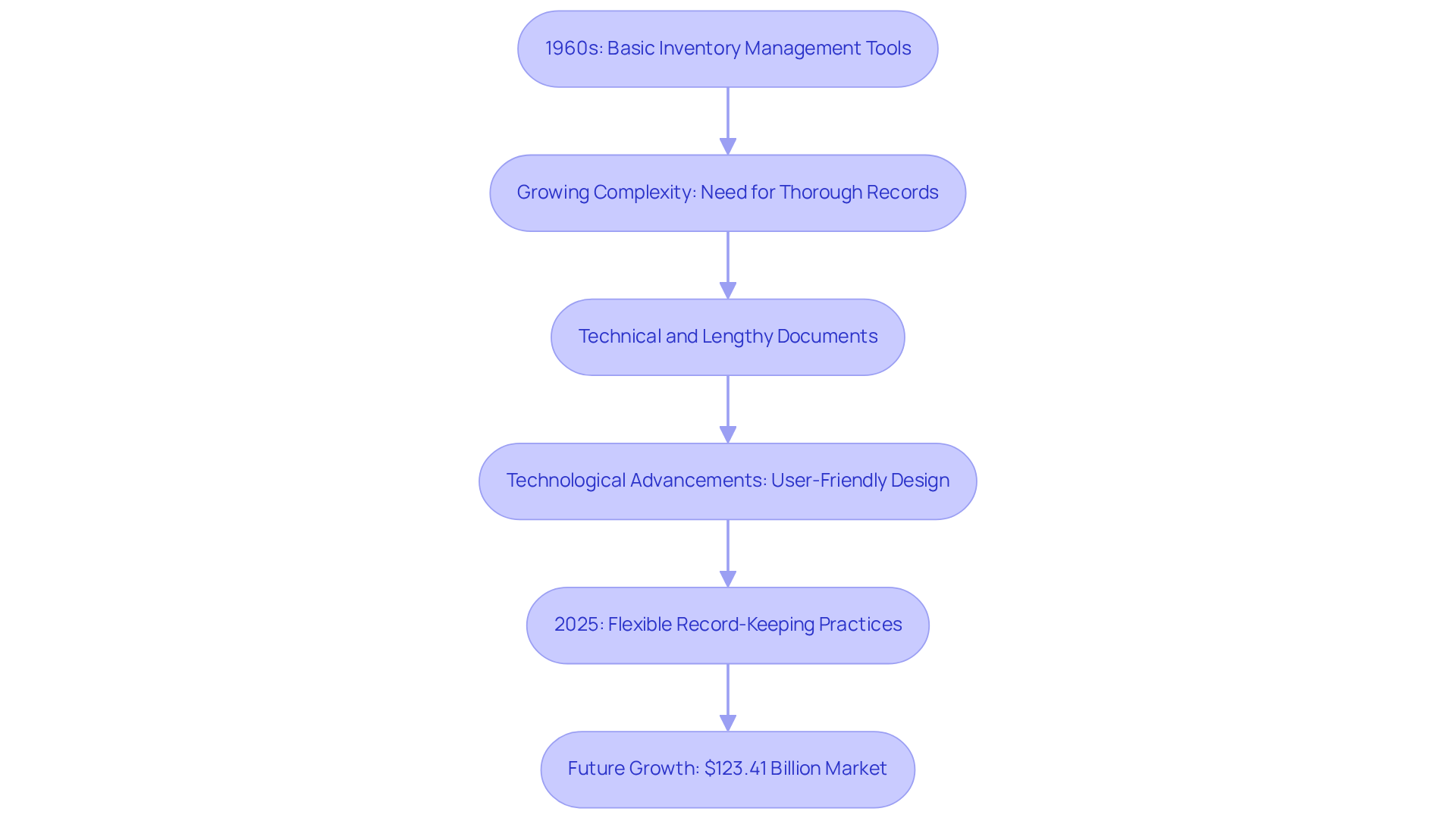
You might be wondering how ERP records came to be. Well, it all started back in the 1960s when these systems were pretty much just basic inventory management tools. As businesses grew and got more complex, the need for thorough records became super clear. At first, ERP documents were often lengthy and technical, placing more emphasis on specifications than on usability. But thanks to technological advancements and a growing focus on user-friendly design, the ERP document has transformed into something much more accessible and practical.
Now, fast forward to 2025. Organizations are really embracing flexible record-keeping practices that prioritize real-time updates and teamwork. This shift helps teams quickly adapt to the ever-changing business landscape. It’s a sign of a broader trend towards adaptability and responsiveness in operations, ensuring that records stay relevant and efficient. For example, companies like VIVI PLC are rolling out SAP's ERP system to boost communication and collaboration, which should lead to better operational efficiency.
And get this: the global ERP market is expected to grow from $50.57 billion in 2023 to a whopping $123.41 billion by 2032! That’s a clear indication of the strong demand for innovative record-keeping solutions, including an ERP document, that align with evolving organizational needs. Plus, 53% of companies see ERP as a key investment by 2025, which really highlights the importance of adjusting record-keeping practices to meet today’s business priorities. As organizations continue to embrace these changes, focusing on [streamlined, user-friendly documentation](https://sowflow.io/blog-post/10-sop-best-practices-for-operations-managers-to-enhance-efficiency) will be crucial for staying ahead of the competition.
Identify Key Components and Characteristics of ERP Documents
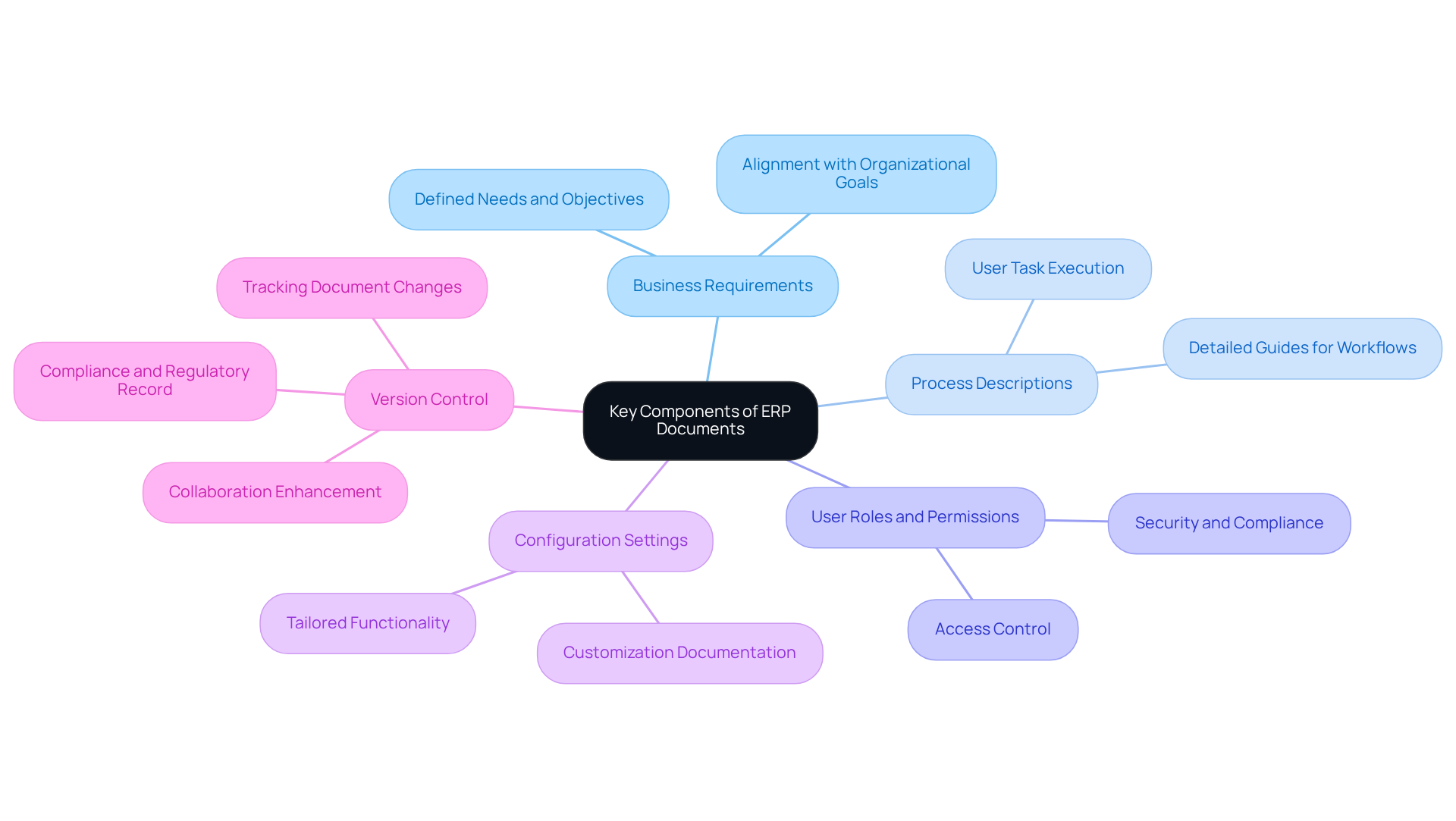
You might be wondering what key components are part of an ERP document. Well, let’s break it down!
- Business Requirements: These are the clearly defined needs and objectives that your ERP solution must meet. They’re essential for making sure the solution aligns with your organizational goals.
- Process Descriptions: Think of these as detailed guides that explain workflows and procedures. They help users execute tasks within the ERP platform, ensuring everything runs smoothly and efficiently. With SowFlow's user guide creation capabilities, updating these descriptions is a breeze, keeping them relevant in our fast-paced business world.
- User Roles and Permissions: This section outlines who gets to access and modify different parts of the ERP platform. It’s crucial for maintaining security and compliance.
- Configuration Settings: Here, you’ll find documentation of configuration preferences and customizations that reflect your organization’s unique needs. This allows for tailored functionality. Plus, with SowFlow's instant documentation solution, you can update these settings quickly, boosting productivity.
- Version Control: This is all about tracking changes to documents, ensuring users always have access to the latest information. Version control is super important because it enhances collaboration, allowing multiple users to work on documents at the same time. It also provides a reliable record of changes for compliance and regulatory purposes. With SowFlow, you can streamline your version control processes, leading to better document quality and easier error identification.
These components work together to create a solid framework that helps you make the most of your ERP document platform, boosting operational efficiency and cutting down on errors. For example, organizations that adopt strong version control practices often see improved document quality and find it easier to spot mistakes, which is vital for keeping the ERP document records intact.
Did you know that 50% of companies are either acquiring, upgrading, or planning to update their ERP systems soon? This highlights just how important efficient record-keeping is in today’s market. And here’s a fun fact: 83% of organizations that conducted an ROI analysis reported meeting their ROI expectations after implementing ERP. This shows a clear link between record quality and positive outcomes.
As Laurence Hart pointed out, understanding your organizational needs is key for effective version control. It ensures that your record-keeping practices align with your business requirements. Plus, 77% of firms noticed that their ERP solutions helped eliminate silos, proving how effective record-keeping can enhance organizational efficiency and communication.
Finally, 66% of organizations reported that their ERP solutions improved operational efficiency, which further underscores the benefits of having a comprehensive ERP document. So, what are you waiting for? Let’s dive into making your documentation as effective as possible!
Examine Practical Applications of ERP Documents in Business Operations
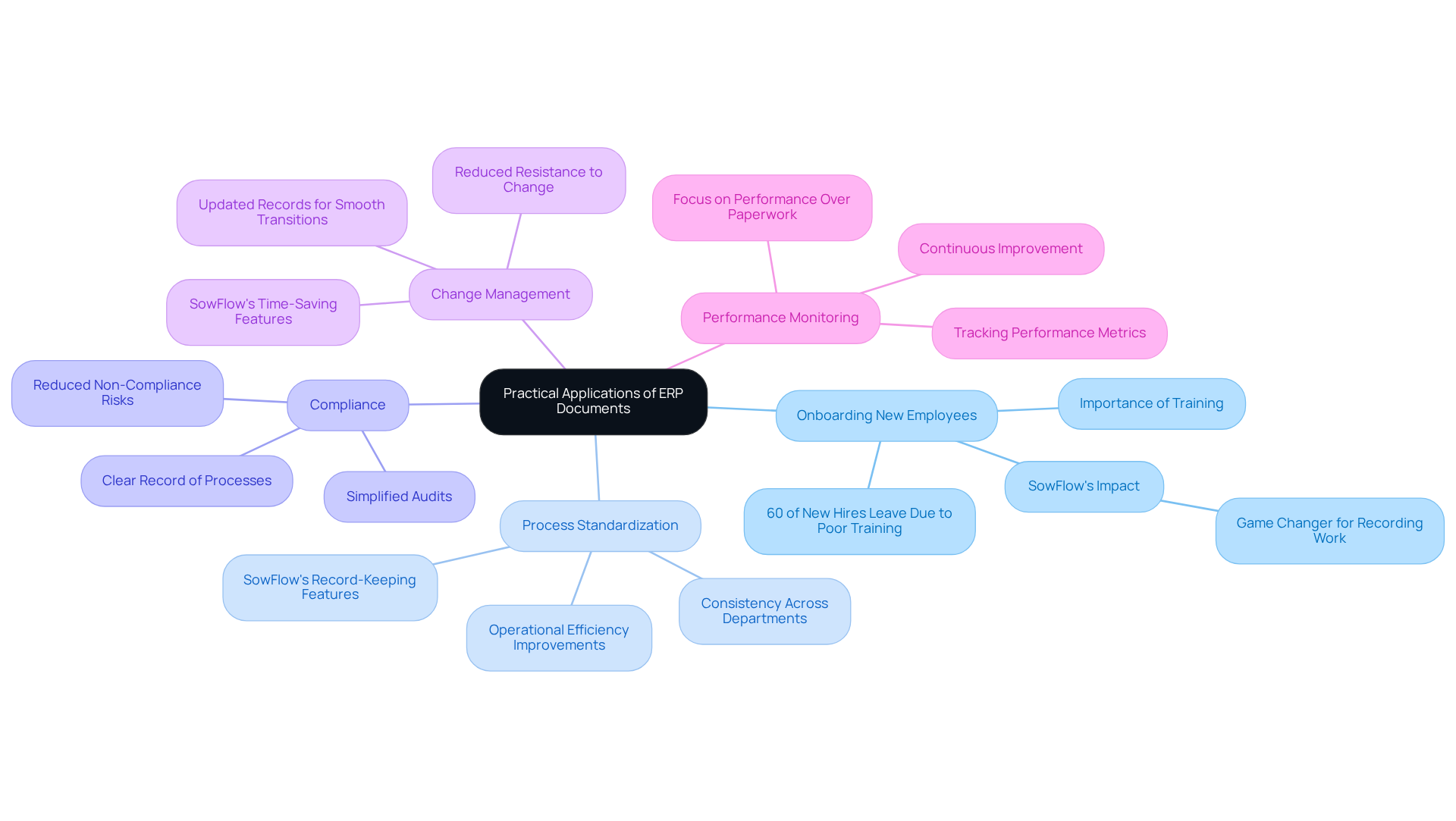
You might be wondering why an ERP document is such a big deal for optimizing business operations. Well, let’s break it down into some key areas where they really shine:
- Onboarding New Employees: Think about it-comprehensive user manuals and training guides are super important for helping new hires get a grip on their roles and navigate the ERP system like pros. Did you know that 60% of new hires who leave within the first three months say it’s because of poor training? One Product Owner even said, 'SowFlow has been a game changer in the way we record work and deliver to our clients.' That just goes to show how organized records can make onboarding smoother and boost retention rates.
- Process Standardization: Now, let’s talk about consistency. Documenting workflows and procedures helps keep things uniform across departments, which means less variability and better quality. Companies that embrace standardized processes through an ERP document often see a nice bump in operational efficiency. For example, organizations that focus on their key processes can streamline operations and cut down on complexity, leading to better performance. And guess what? SowFlow’s features make record-keeping a breeze, supporting this standardization.
- Compliance can be a headache, but ERP documents assist in creating a clear record of processes and decisions, which is crucial for meeting regulatory requirements. This makes audits simpler and helps organizations show they’re following the necessary standards, reducing risks tied to non-compliance. SowFlow steps in here too, allowing for easy updates and access to resources.
- Change Management: When it comes to implementing changes in ERP systems, having updated records is key for smooth transitions. It keeps everyone in the loop and ready to adapt, which cuts down on resistance to change. One Product Owner shared, "SowFlow gave me time from my life back," highlighting how the tool supports effective change management.
- Performance Monitoring: Finally, let’s not forget about performance. Thorough records let companies keep an eye on performance metrics and spot areas that need a little TLC. By leveraging ERP documents, organizations can drive continuous improvement, which ensures they remain competitive in a fast-paced market. SowFlow’s time-saving features let teams focus on performance instead of getting bogged down in paperwork.
These applications really demonstrate how vital an ERP document is for creating a structured and efficient business environment. In the end, they contribute to better employee engagement and operational success. So, what do you think? Ready to explore how effective documentation can transform your business?
Conclusion
You might be wondering why ERP documents are so important. Well, they really are the backbone of effective Enterprise Resource Planning systems! They provide the essential structure and clarity that drive operational efficiency. By having a formalized approach to record-keeping, organizations can boost communication, ensure compliance, and streamline processes. This all leads to better performance across departments.
Throughout this article, we’ve highlighted the significance of ERP documents. They play a crucial role in:
- Onboarding
- Process standardization
- Compliance
- Change management
- Performance monitoring
Each of these aspects shows how comprehensive documentation not only supports day-to-day operations but also contributes to long-term success. It’s fascinating to see how ERP documents have evolved from basic inventory management tools to user-friendly, flexible systems. This shift reflects the growing demand for adaptable solutions in our ever-changing business landscape.
Now, let’s talk about why prioritizing effective ERP documentation is key for any organization looking to thrive in today’s competitive market. As businesses start to recognize the value of streamlined record-keeping practices, embracing innovative solutions like SowFlow can really empower teams. It enhances productivity and fosters a culture of continuous improvement. So, if you’re ready to embark on the journey toward operational excellence, remember: it all begins with the right documentation. Now’s the perfect time to take action and transform how your organization manages its ERP documents!
Frequently Asked Questions
What is an ERP document?
An ERP document is any formal record created, maintained, and used within an Enterprise Resource Planning (ERP) system, including requirements papers, user manuals, process records, and configuration guides.
Why are ERP documents important?
ERP documents are important because they facilitate communication, ensure compliance, and provide a structured way to manage processes, leading to standardized operations and increased efficiency across departments.
How do ERP documents enhance operational efficiency?
By providing a solid reference point, ERP documents clearly outline roles, responsibilities, and workflows, which helps create a more organized and effective business environment, ultimately improving decision-making and operational success.
What role do ERP documents play in compliance?
Effective ERP documents are crucial for meeting regulatory requirements as they provide traceability and accountability, helping to avoid communication breakdowns and compliance issues that could delay projects and affect post-go-live support.
How can SowFlow's solutions assist with ERP documents?
SowFlow's innovative solutions simplify the process of creating and updating user guides, ensuring that materials remain relevant and accessible, which empowers employees and boosts productivity.
👍
What others are liking


5 Steps to outline your ideal documentation structure
5 MINS READ
Where to start the your journey of mapping out your ideal documentation structure, aligning it with the very heartbeat of your organization?
Defining a winning level of detail in your process
3 MINS READ
What is too much detail, and what is too little? This article described in that winning level detail about what detail is enough.


