

Process Improvement through Documentation
|
April 29, 2026
|

Master the Process Improvement Process: A Step-by-Step Guide for Managers
Key Highlights
- Identify key areas for enhancement by analysing current methods and collaborating with your team.
- Set SMART goals (Specific, Measurable, Achievable, Relevant, Time-bound) for clear tracking of progress.
- Align improvement objectives with organisational goals to contribute to overall business success.
- Document objectives clearly for all stakeholders to maintain alignment and awareness during enhancements.
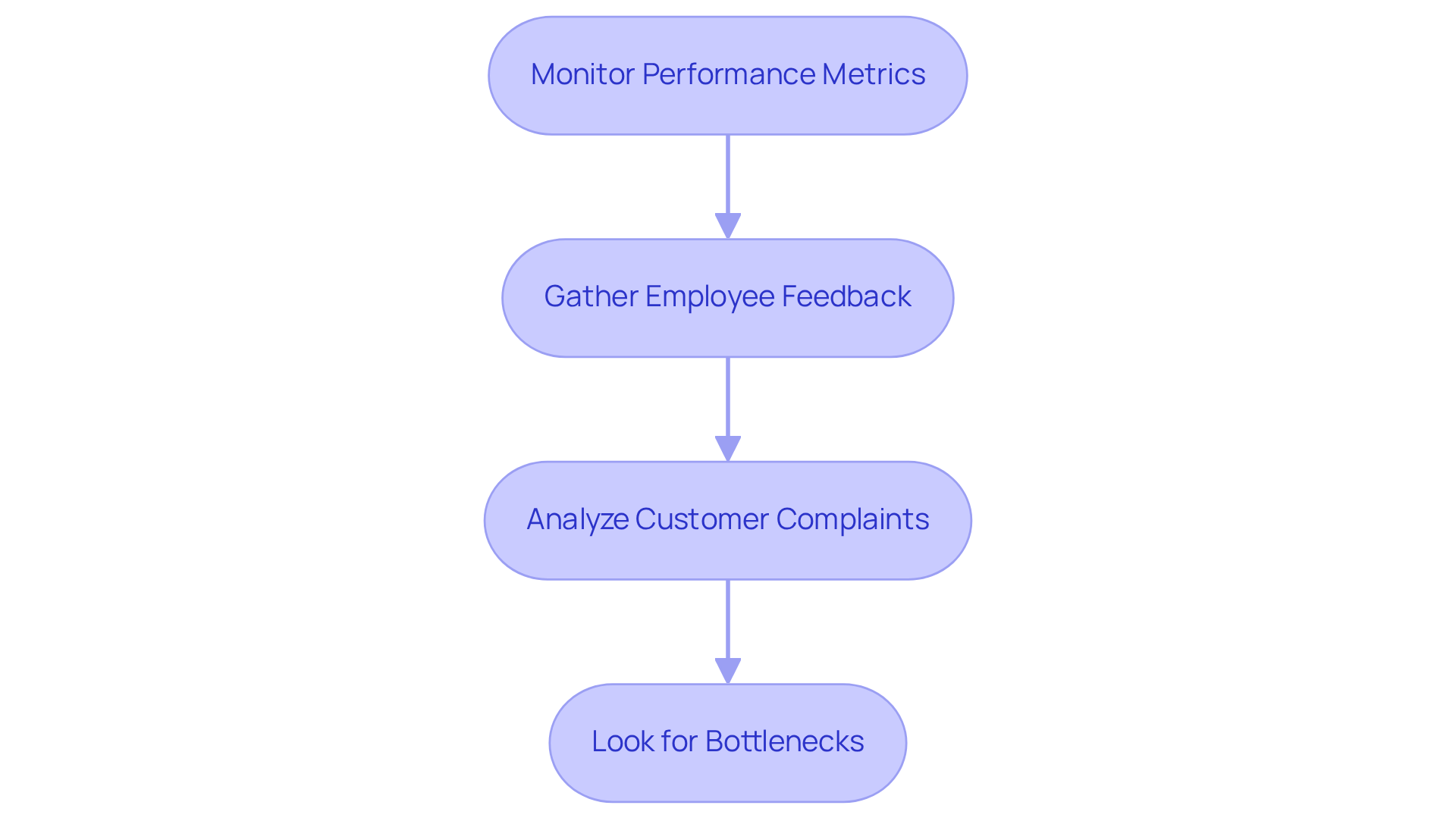
- Monitor performance metrics regularly to identify signs of inefficiency or the need for improvement.
- Gather employee feedback through surveys or meetings to uncover insights on current systems.
- Analyse customer complaints to pinpoint areas where procedures may be lacking.
- Identify bottlenecks in workflows to determine where improvements are necessary.
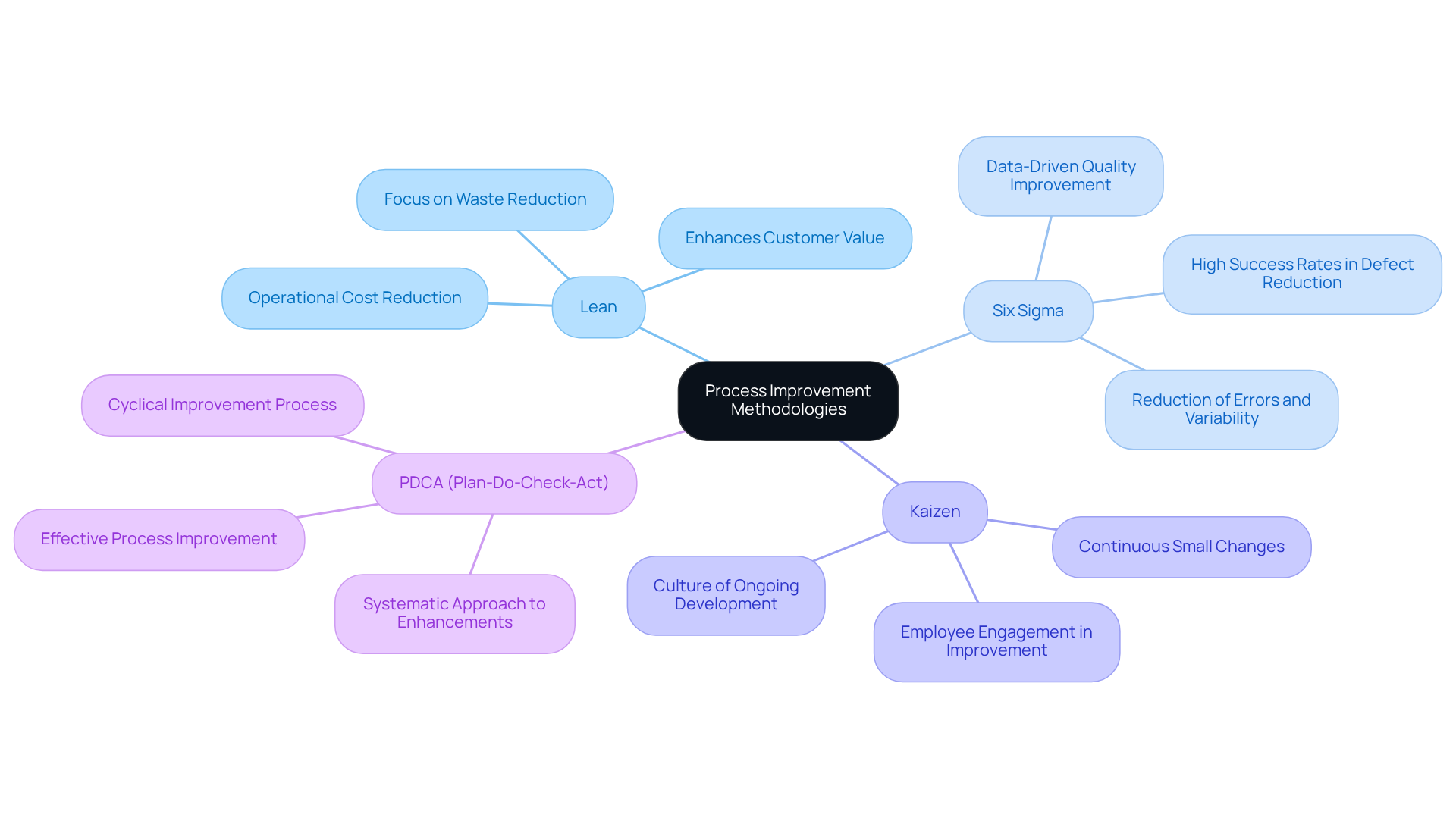
- Follow the PDCA cycle (Plan-Do-Cheque-Act) for systematic process enhancement.
- Implement Lean methodology to reduce waste and enhance customer value.
- Utilise Six Sigma to minimise errors and improve quality through data-driven methods.
- Adopt Kaizen for continuous improvement through incremental changes involving all employees.
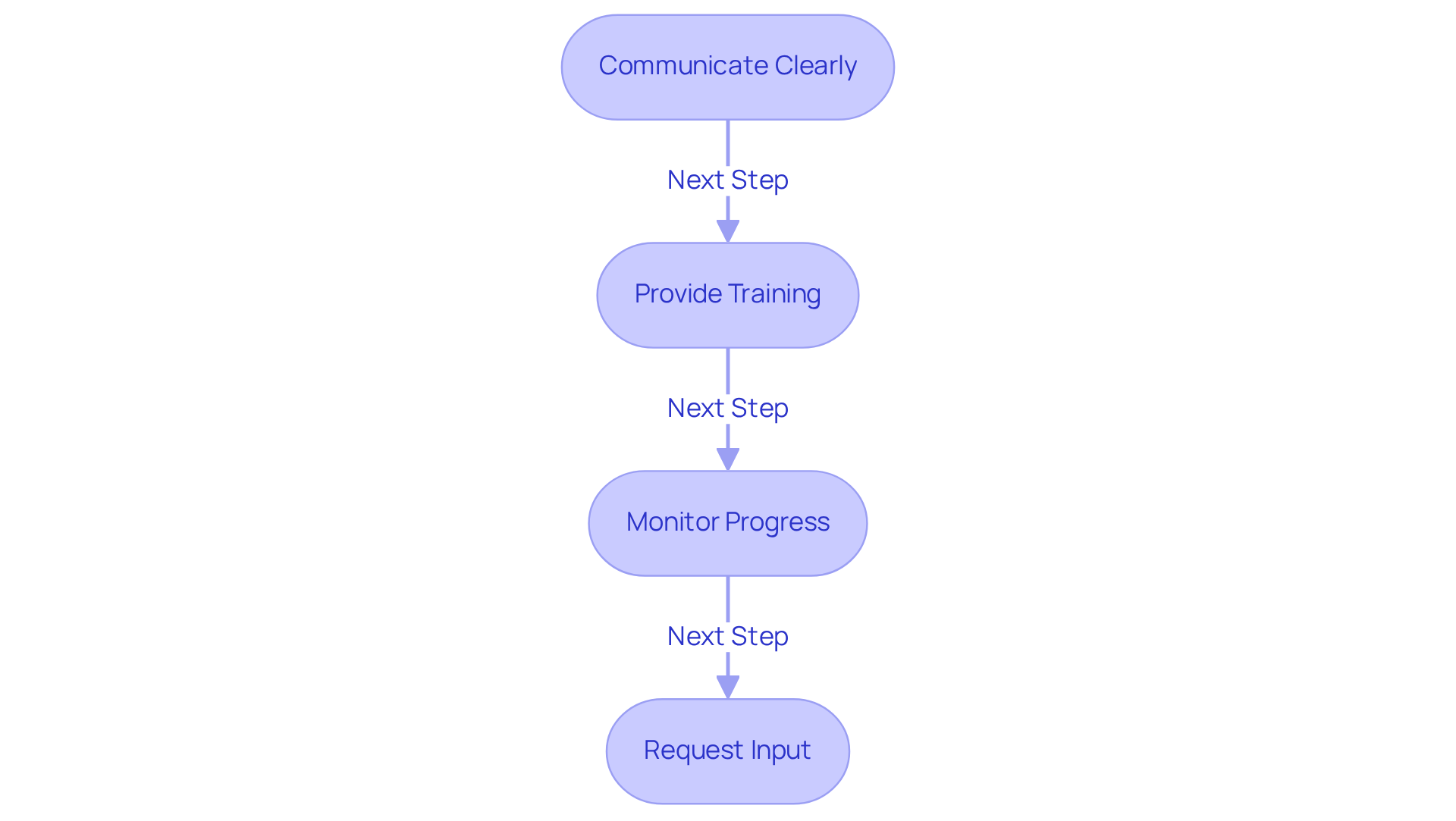
- Communicate changes clearly to stakeholders to reduce resistance and foster support.
- Provide training to equip staff with necessary skills for new processes, enhancing overall productivity.
- Monitor progress with KPIs to ensure new procedures are effective and make necessary adjustments.
- Request input from staff to foster a culture of improvement and increase acceptance of changes.
Introduction
You might be wondering how to master the art of process improvement. Well, it’s essential for managers like you who want to boost efficiency and drive success in your organization. This guide is here to help you identify key areas for enhancement, set SMART goals, and implement effective strategies that align with your organizational objectives.
But let’s be real - there are so many methodologies out there, and employee resistance can be a real challenge. So, how can you make sure your process improvement initiatives not only take root but also thrive in today’s fast-paced business environment? Let’s dive into that!
Define Process Improvement Objectives
- Identify Key Areas for Enhancement: You might be wondering where to start. Begin by taking a good look at your current methods to pinpoint areas that could use a little TLC. Collaborate with your team as part of the to gather insights on the challenges and inefficiencies they face. And hey, using can make this process a breeze, giving you quick access to all the user guides and resources you need.
- Set : Now, let’s talk about setting some goals. You want them to be Specific, Measurable, Achievable, Relevant, and Time-bound. Instead of saying, "improve efficiency," how about specifying, "reduce processing time by 20% within six months?" This kind of clarity not only helps you track progress but also keeps everyone accountable. and keep an eye on your advancements.
- : You know what’s crucial? Making sure your improvement objectives align with the bigger picture of your organization. This way, your initiatives contribute meaningfully to the overall success of the business by through the . Plus, utilizing SowFlow's resources can help ensure that your objectives are communicated clearly across the board.
- : It’s super important to clearly articulate your objectives and share them with all stakeholders. Think of this guide as your reference throughout the enhancement phase, keeping everyone aligned and informed. Did you know that only 4% of firms actively monitor and oversee their workflows? That really highlights the need for to prevent issues and improve overall workflow management. With , you can easily update and revise your documentation, keeping it fresh and relevant.

Identify Signs for Process Improvement
- Monitor : You might be wondering how to keep tabs on your team's performance. Regularly checking in on like cycle times, error rates, and customer satisfaction scores can be a game changer. If you notice a dip in these numbers, it’s often a sign that something needs a little TLC.
- Gather : Have you thought about what your employees really think about the current systems? Conducting surveys or holding casual meetings can open the door to valuable insights. Look out for those recurring themes that might highlight frustration or inefficiency - those are the nuggets of wisdom you don’t want to miss!
- Analyze : Let’s talk about your customers. Their feedback is gold! Paying attention to the complaints and concerns they express can shine a light on . If you keep hearing the same issues, it’s time to take action.
- : Ever feel like tasks are piling up in certain phases of your workflow? Identifying those bottlenecks is crucial to the . They often signal that a procedure needs a fresh look and some improvement. So, let’s roll up our sleeves and see where we can make things smoother!
Follow the Process Improvement Cycle Steps
- Plan: You might be wondering where to start when it comes to . First things first, identify the specific area that needs a little TLC. Gather some relevant data to get a clear picture of the current state and set some straightforward objectives for your . here - it’s like laying the groundwork for a solid house. With SowFlow, you can whip up that clearly outline these objectives, so everyone on your team has easy access to the info they need.
- Do: Now that you’ve got your plan, it’s time to put those ideas into action! Start small by implementing the proposed changes in a controlled environment. Think of it as a test run - maybe piloting new procedures or tools. SowFlow makes this super easy with its , allowing you to make quick updates as you go. This is a smart approach within the to see if your modifications are on the right track without pouring too many resources into it right away.
- Check: After you’ve made those changes, it’s time for a little reflection. Thoroughly assess the outcomes by comparing your performance metrics before and after the to see how things have shifted. With SowFlow, you can pull up your records with just a command, making it a breeze to . This step is crucial for figuring out if your adjustments hit the mark or if there’s still work to be done.
- Act: If everything looks good and the changes are successful, go ahead and roll them out on a larger scale! But if the results aren’t quite what you hoped for, don’t sweat it. Take a moment to analyze what went wrong in your approach and in the before trying again. With SowFlow’s instant documentation solution, your guides will always be up-to-date, making it easier to , onboard new team members, and share knowledge for a more efficient team.

Explore Process Improvement Methodologies
- Lean: You might be wondering what Lean is all about. Well, this methodology is all about . It focuses on while using fewer resources, which is pretty neat! Companies that embrace Lean often notice their lead times and operational costs drop significantly, leading to happier customers. Did you know that the was valued at $1.6 billion in 2023? It's expected to hit $4.3 billion by 2030, showing just how important these methods are becoming in the industry.
- : Now, let’s dive into . This approach is super data-driven and aims to reduce errors and variability in workflows. By using statistical methods, it works to boost quality and efficiency. Organizations that implement often report success rates of up to 99.99966% in cutting down defects - talk about impressive! As Peter Drucker wisely said, "There is nothing so useless as doing efficiently that which should not be done at all."
- Kaizen: Have you heard of Kaizen? This philosophy is all about through small, steady changes. It encourages everyone in the company to pitch in ideas for enhancements, creating a culture of ongoing development. This not only leads to but also keeps employees engaged. Malcolm Gladwell put it perfectly: "Practice isn't the thing you do once you're good. It's the thing you do that makes you good."
- : Speaking of improvement, let’s talk about PDCA. This cyclical model is key for continuous enhancement. It lays out a systematic way to enhance the by planning initiatives, executing them, checking the results, and acting on what you find to make further adjustments. The PDCA cycle is well-known for its effectiveness in promoting a structured approach to the . Case studies show that organizations using PDCA have successfully streamlined their operations and boosted overall efficiency.
Implement Process Improvements Effectively
- Communicate Clearly: You might be wondering how to get everyone on board with the changes. Well, it’s all about making sure that all stakeholders understand why these modifications are happening and what benefits they bring. Effective communication is key here - did you know that ? That can lead to resistance among employees. So, clear messaging is essential; it helps reduce confusion and creates a supportive atmosphere for change. Plus, with SowFlow's , you can streamline communication by giving instant access to relevant documentation, cutting down on those unnecessary meetings.
- Provide Training: Now, let’s dive into training. It’s super important to equip your staff with the skills and knowledge they need to adapt to new processes. Think about , online courses, or even a mix of both! Research shows that . That really highlights how crucial it is to invest in staff development during transitions. And with SowFlow, is a breeze, so your team always has the latest info right at their fingertips.
- Monitor Progress: After you’ve implemented the changes, it’s time to keep an eye on how things are going. You’ll want to continuously observe the new procedures to make sure they’re working as intended. Using key performance indicators (KPIs) can help you track performance and make any necessary tweaks. Regular evaluations not only boost operational efficiency but also empower your workers by giving them ownership of their learning journey, which can really enhance their confidence and motivation. SowFlow's make this monitoring easy by providing real-time updates and insights into how effective the workflows are.
- Request Input: Finally, let’s talk about the importance of getting input from your staff about the new procedures. This practice is a game-changer for the ! It helps you spot issues early on and fosters a culture of the . When employees feel included in the feedback loop, they’re much more likely to embrace the changes - . With SowFlow's platform, into your documentation is a cinch, making your processes even more adaptable.
Conclusion
You might be wondering why mastering the process improvement process is so crucial for managers. Well, it’s all about boosting efficiency and driving your organization toward success! By getting a grip on a systematic approach - like defining objectives, spotting inefficiencies, and rolling out effective methodologies - you can create a culture of continuous improvement that really aligns with your organization’s goals.
Throughout this article, we’ve chatted about some key strategies. For instance:
- Setting SMART goals
- Keeping an eye on performance metrics
- Getting employees involved for feedback
These are all super important. Plus, when you emphasize methodologies like Lean, Six Sigma, and Kaizen, you’re equipping yourself with a solid toolkit to tackle inefficiencies and streamline workflows. And let’s not forget about clear communication and ongoing training during the implementation phase - these are essential for getting everyone on board and ensuring smooth transitions.
So, what’s the takeaway? Embracing a structured approach to process improvement doesn’t just ramp up operational efficiency; it also empowers your teams and nurtures a proactive organizational culture. Managers, it’s time to take action! Apply these insights and strategies, and consider using tools like SowFlow to help with documentation and communication. By committing to continuous improvement, your organization can adapt to changing demands and achieve sustainable success in its operations. Now, how exciting is that?
Frequently Asked Questions
What are the first steps to define process improvement objectives?
Start by identifying key areas for enhancement by reviewing current methods and collaborating with your team to gather insights on challenges and inefficiencies.
How should goals for process improvement be set?
Goals should be set using the SMART criteria, meaning they should be Specific, Measurable, Achievable, Relevant, and Time-bound. For example, instead of a vague goal like 'improve efficiency,' specify 'reduce processing time by 20% within six months.'
Why is it important to align improvement objectives with organizational goals?
Aligning improvement objectives with organizational goals ensures that initiatives contribute meaningfully to the overall success of the business and foster a culture of continuous improvement.
What is the significance of documenting process improvement objectives?
Documenting objectives is crucial for articulating and sharing them with all stakeholders, keeping everyone aligned and informed throughout the enhancement phase.
What performance metrics should be monitored to identify signs for process improvement?
Key performance indicators (KPIs) such as cycle times, error rates, and customer satisfaction scores should be regularly monitored to detect any dips that may indicate the need for improvement.
How can employee feedback contribute to process improvement?
Gathering employee feedback through surveys or meetings can provide valuable insights into recurring themes of frustration or inefficiency that need to be addressed.
Why is analyzing customer complaints important for process improvement?
Customer complaints can highlight areas where procedures may be lacking. Paying attention to these concerns can guide necessary improvements.
What should be done if bottlenecks are identified in the workflow?
Identifying bottlenecks is crucial as they often indicate that certain procedures need to be reevaluated and improved to enhance workflow efficiency.
List of Sources
- Define Process Improvement Objectives
- 25 Inspirational Business Process Improvement Quotes (https://teamguru.com/blog/25-inspirational-business-process-improvement-quotes/1632)
- What Business Process Management Statistics Experts Want You to Know (https://cflowapps.com/business-process-management-statistics)
- solutionsreview.com (https://solutionsreview.com/business-process-management/business-process-management-statistics-you-should-know)
- Inspiring Quotes for Continuous Improvement (https://kpifire.com/blog/quotes-about-continuous-improvement)
- Identify Signs for Process Improvement
- blog.proactioninternational.com (https://blog.proactioninternational.com/en/process-improvement-metrics-boost-performance)
- 85 Quotes - Operational Excellence and Continuous Improvement | Rever (https://reverscore.com/85-quotes-operational-excellence-and-continuous-improvement)
- 47 Critical Process Improvement Statistics to Drive Change (https://quandarycg.com/process-improvement-statistics)
- research.aimultiple.com (https://research.aimultiple.com/process-kpis)
- 5 inspiring quotes about business process management – Novacura (https://novacura.com/5-inspiring-quotes-about-business-process-management)
- Follow the Process Improvement Cycle Steps
- Applying the Plan-Do-Check-Act (PDCA) Cycle to Reduce the Defects in the Manufacturing Industry. A Case Study (https://mdpi.com/2076-3417/8/11/2181)
- usmanjatoi.com (https://usmanjatoi.com/operations/ops-wisdom/top-quote-process-excellence-roundup)
- 26 Quotes About Improving Processes That Will Inspire Change (https://niagarainstitute.com/blog/quotes-improving-processes)
- 25 Inspirational Business Process Improvement Quotes (https://teamguru.com/blog/25-inspirational-business-process-improvement-quotes/1632)
- Success rate for Lean initiatives is hardly over 5%. That means that up to 95% of continuous improvement programs fail. | Collectiver (https://linkedin.com/posts/collectiver_success-rate-for-lean-initiatives-is-hardly-activity-7262748635082244097-HdW1)
- Explore Process Improvement Methodologies
- insights.btoes.com (https://insights.btoes.com/lists/top-10-lean-six-sigma-quotes)
- 25 Inspirational Business Process Improvement Quotes (https://teamguru.com/blog/25-inspirational-business-process-improvement-quotes/1632)
- Lean Methodology (https://planview.com/resources/articles/lean-methodology)
- Inspiring Quotes for Continuous Improvement (https://kpifire.com/blog/quotes-about-continuous-improvement)
- Lean And Six Sigma Services Market Growth Set to Surge Significantly during 2024 to 2031 | International Lean Six Sigma Institute (https://ilssi.org/lean-and-six-sigma-services-market-growth-set-to-surge-significantly-during-2024-to-2031)
- Implement Process Improvements Effectively
- peuneo.co.za (https://peuneo.co.za/measuring-employee-training-program-effectiveness)
- Employee Training Statistics, Trends, and Data in 2025 | Devlin Peck (https://devlinpeck.com/content/employee-training-statistics)
- 26 Quotes About Improving Processes That Will Inspire Change (https://niagarainstitute.com/blog/quotes-improving-processes)
- 100 Change Management Statistics: Effectiveness, Leadership, and Employee Experience (https://flair.hr/en/blog/change-management-statistics)
- 59 Change Management Statistics | Pollack Peacebuilding Systems (https://pollackpeacebuilding.com/blog/change-management-statistics)
👍
What others are liking


5 Steps to outline your ideal documentation structure
5 MINS READ
Where to start the your journey of mapping out your ideal documentation structure, aligning it with the very heartbeat of your organization?
Defining a winning level of detail in your process
3 MINS READ
What is too much detail, and what is too little? This article described in that winning level detail about what detail is enough.


