
General
|
March 9, 2026
|

Master the Employee Behavior Documentation Template for Better Operations
Key Highlights:
- The Employee Behaviour Documentation Template captures specific instances of employee behaviour, including staff details, incident date, description, and relevant context.
- Standardised documentation is crucial for performance evaluations, disciplinary actions, and legal compliance.
- Effective record-keeping fosters accountability, transparency, and trust within teams, enhancing communication.
- Key elements of an effective template include employee information, incident details, conduct description, context, witnesses, actions taken, and follow-up plans.
- Best practises for integration include comprehensive training for staff, ensuring accessibility of the template, promoting consistency, conducting regular assessments, and establishing a feedback mechanism.
- Organisations that prioritise documentation often see improvements in employee engagement and productivity.
Introduction
You might be wondering why understanding employee behavior is so important for creating a productive workplace. Well, it’s crucial! Yet, many organizations find themselves struggling with effective documentation. That’s where the Employee Behavior Documentation Template comes in. It offers a structured way to track both the good and the not-so-good actions, making sure everyone is accountable and clear on performance evaluations.
But here’s the challenge: how can teams smoothly integrate this template into their daily operations? It’s all about enhancing communication and driving engagement. By exploring the key elements and best practices for implementation, you can turn documentation from a boring chore into a powerful tool for success in your organization. So, let’s dive into how you can make this work for you!
Define the Employee Behavior Documentation Template
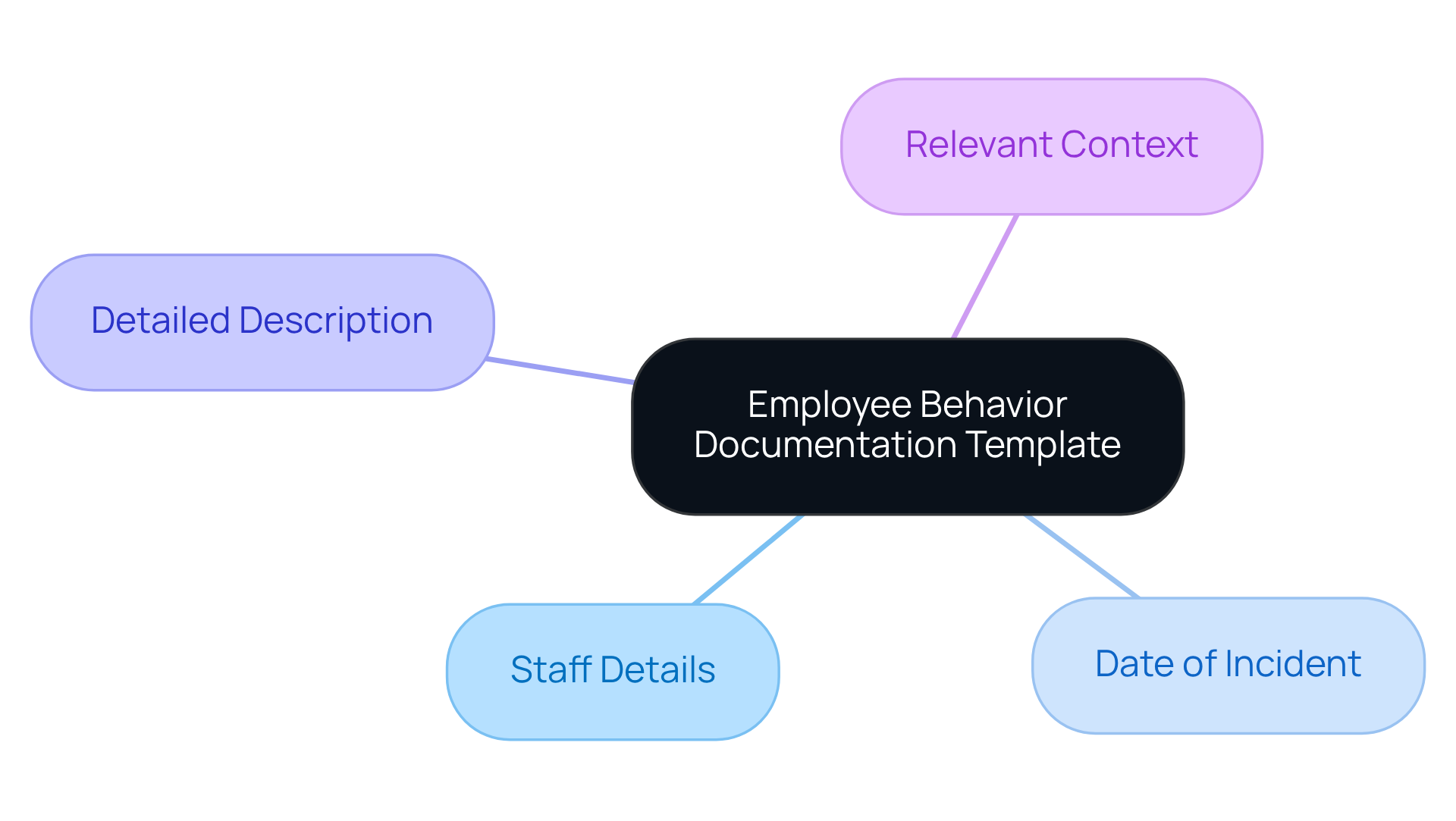
You might be wondering how to keep track of all those personnel actions - both the good and the not-so-good. Well, the Staff Conduct Documentation Template is here to help! This handy employee behavior documentation template is designed to capture specific instances of employee behavior in a structured way. It typically includes important sections like:
- Staff details
- The date of the incident
- A detailed description of what happened
- Any relevant context
The employee behavior documentation template ensures that everything is consistent and accurate by standardizing how we keep records. And let’s be honest, that’s super important for performance evaluations, disciplinary actions, and even legal compliance. By utilizing the employee behavior documentation template, you’re not just organizing information; you’re also fostering better communication and accountability within your teams.
Speaking of organization, have you heard about SowFlow's instant records solution? It makes it a breeze for operations managers to create and update user guides, keeping everything relevant and easy to access. This means less time in meetings and more time focusing on what really matters. Plus, did you know that teams who get feedback on their strengths are 8.9% more profitable than those who only hear about their weaknesses? That’s a big deal!
So, it’s clear that effective record-keeping can really boost employee engagement and overall success. But let’s not forget the common pitfalls - like how many HR leaders feel frustrated with traditional performance evaluation processes. It’s a sign that we need a better way to keep track of things. So, what do you think? Are you ready to explore some solutions?
Highlight the Importance of Employee Behavior Documentation
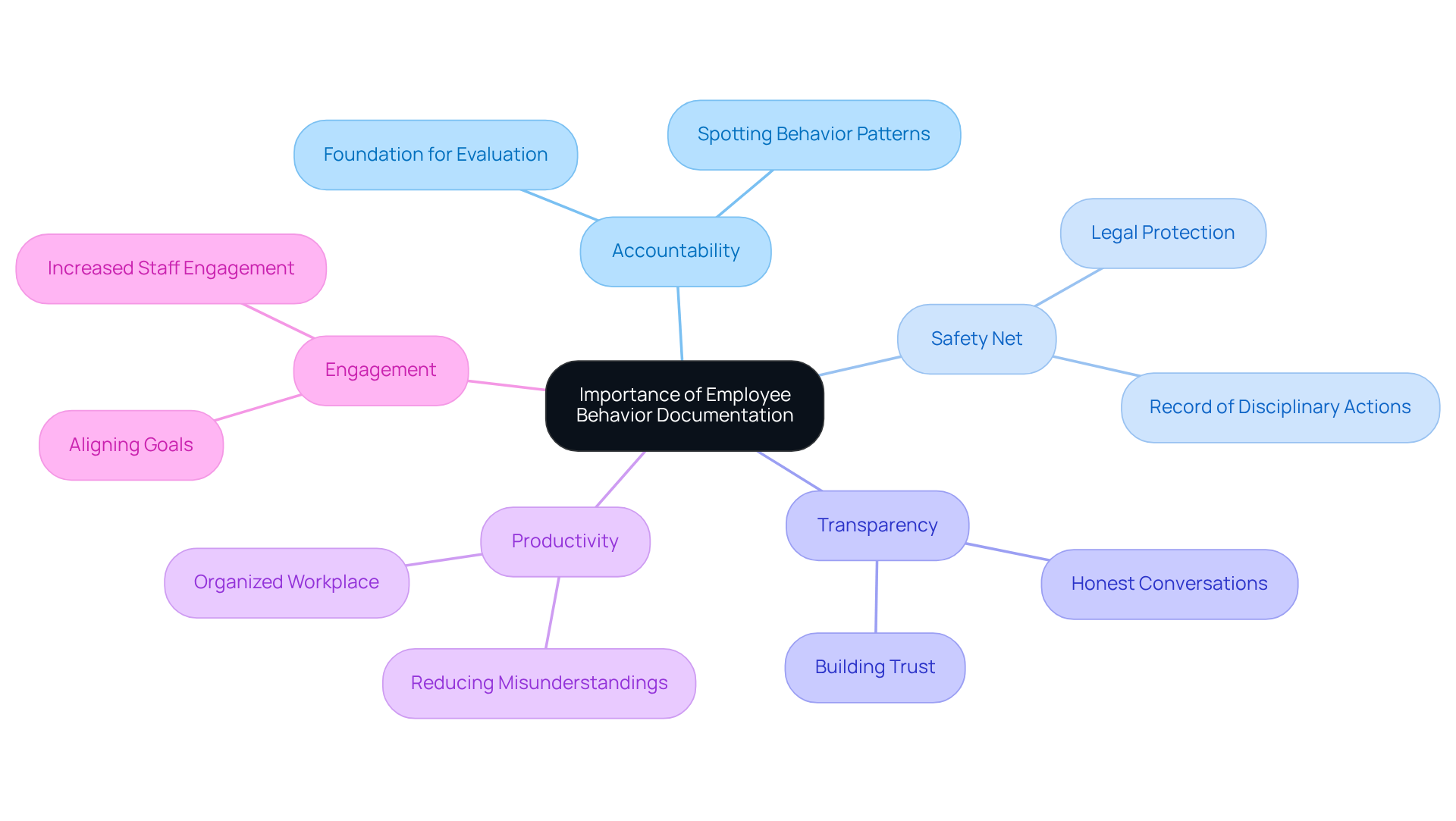
Keeping track of employee conduct is super important for a bunch of reasons. You might be wondering why it matters so much. Well, first off, it helps create accountability by giving you a solid foundation to evaluate how employees are doing and how they behave. This information can help spot patterns in behavior, which is great for guiding coaching and development efforts.
Now, let’s dive into another key point: it acts like a safety net for organizations. Having a clear record of disciplinary actions can be crucial, especially if legal issues pop up, like claims of discrimination. Plus, effective record-keeping boosts transparency and trust within teams. It opens the door for honest conversations about performance expectations and areas that might need a little extra attention.
Ultimately, a thorough employee behavior documentation template leads to a more organized and efficient workplace. It helps cut down on misunderstandings and can really ramp up overall productivity. Organizations that make this a priority often notice that staff engagement improves, too. When feedback is recorded with an employee behavior documentation template, it aligns individual performance goals with the bigger picture of the organization, creating a more cohesive work environment. So, what do you think? Is your team ready to step up its documentation game?
Identify Key Elements of an Effective Template
You might be wondering what makes an effective employee behavior documentation template. Well, let’s break it down! Here are some key elements you’ll want to include:
-
Employee Information: Start with the basics - name, position, and department of the employee involved. This sets the stage for everything that follows.
-
Incident Details: Next up, jot down the date, time, and location of the observed actions. This helps everyone understand when and where things happened.
-
Conduct Description: Here’s where you’ll want to be clear and objective. Provide a straightforward account of the conduct, steering clear of vague language. The clearer, the better!
-
Context: Don’t forget to add any relevant background information that might help in understanding the conduct. Context is key!
-
Witnesses: If there were any witnesses, make sure to note their names. Their perspectives can be invaluable.
-
Action Taken: Document any immediate actions taken in response to the behavior. This shows that you’re proactive and addressing the issue.
-
Follow-Up Plan: Finally, wrap it up with recommendations for future actions or improvements. This is your chance to guide the next steps.
By incorporating these elements, you can ensure that your documentation is thorough, objective, and super useful for future reference. So, what do you think? Ready to tackle your documentation challenges?

Implement Best Practices for Template Integration
To successfully integrate the employee behavior documentation template into your organization, you might be wondering where to begin. Here are some friendly best practices to consider:
-
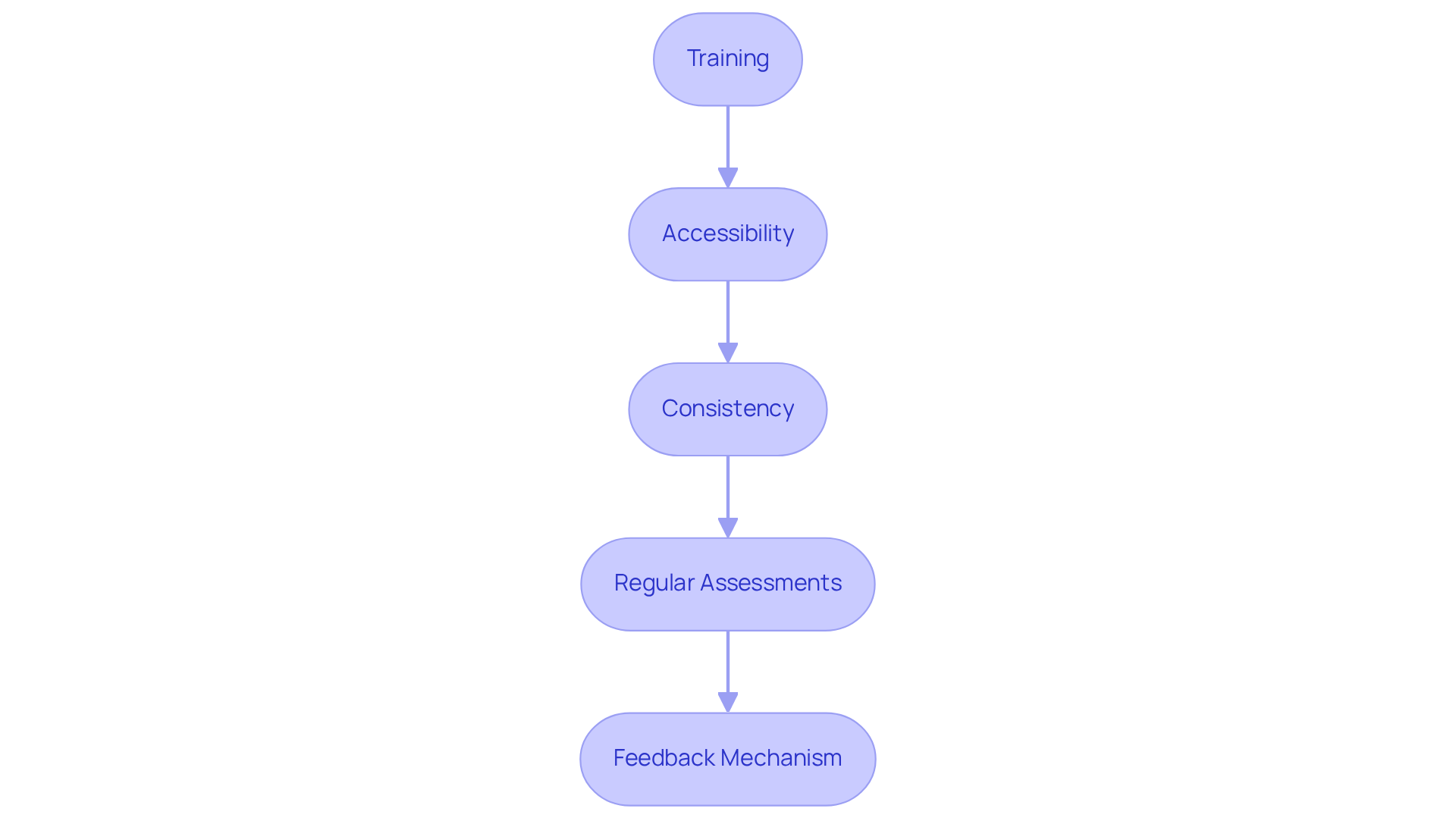
Training: First off, let’s talk about training. It’s super important to conduct comprehensive sessions for managers and HR personnel. Why? Because understanding the template's significance and how to use it effectively is key! Did you know that 92% of workers believe training boosts their job engagement? That’s a big deal!
-
Accessibility: Next up, make sure the template is easy to find. Whether it’s through shared drives, HR software, or tools like SowFlow, accessibility is crucial. Organizations that invest in user-friendly information solutions often see a nice bump in staff engagement and productivity. Who wouldn’t want that?
-
Consistency: Now, let’s chat about consistency. It’s essential to encourage everyone to apply the employee behavior documentation template uniformly across all departments. This not only keeps record-keeping practices clear but also supports a culture of accountability. And trust me, that’s vital for effective employee management!
-
Regular Assessments: How about setting up a schedule for regular evaluations of recorded actions? This proactive approach can help you spot trends and areas for improvement. In fact, entities that regularly check their record-keeping processes can see a 17% boost in productivity. Sounds good, right?
-
Feedback Mechanism: Lastly, don’t forget to establish a feedback system. This allows staff to openly discuss documented behaviors, fostering a culture of transparency and continuous improvement. After all, 94% of workers say that development opportunities would encourage them to stick around.
By following these best practices, you can really enhance your documentation processes. This leads to better employee management and operational efficiency. So, why not give it a try?
Conclusion
You might be wondering how an employee behavior documentation template can really make a difference in your organization. Well, let me tell you, it’s a game changer! By keeping track of employee conduct, you’re not just ticking boxes; you’re building a culture of accountability, transparency, and open communication. These elements are key to creating a workplace where everyone thrives.
Now, let’s dive into what makes a solid documentation template. It should include essential details like:
- Employee info
- Incident specifics
- Conduct descriptions
- Follow-up plans
Why? Because these components help ensure that your records are thorough and fair. This way, you can spot behavioral trends and develop effective coaching strategies. Plus, don’t forget about the importance of training, making the template accessible, and regularly assessing its use. These best practices are crucial for weaving this template into your daily operations, leading to happier, more productive teams.
In summary, embracing an employee behavior documentation template isn’t just about keeping records; it’s a smart strategy that can really boost your workplace culture and performance. So, why not prioritize this practice? It sets the stage for a more organized, efficient, and engaged workforce. By taking action now, you can tap into the full potential of effective documentation and create a thriving business environment!
Frequently Asked Questions
What is the purpose of the Employee Behavior Documentation Template?
The Employee Behavior Documentation Template is designed to capture specific instances of employee behavior in a structured way, helping to keep track of personnel actions, both positive and negative.
What sections are typically included in the Employee Behavior Documentation Template?
The template typically includes sections for staff details, the date of the incident, a detailed description of what happened, and any relevant context.
Why is it important to use the Employee Behavior Documentation Template?
It ensures consistency and accuracy in record-keeping, which is crucial for performance evaluations, disciplinary actions, and legal compliance.
How does the Employee Behavior Documentation Template contribute to team dynamics?
By organizing information, it fosters better communication and accountability within teams.
What is SowFlow's instant records solution?
SowFlow's instant records solution allows operations managers to create and update user guides easily, making information relevant and accessible while reducing time spent in meetings.
How does feedback impact team profitability?
Teams that receive feedback on their strengths are 8.9% more profitable than those that only hear about their weaknesses.
What common issue do HR leaders face regarding performance evaluations?
Many HR leaders feel frustrated with traditional performance evaluation processes, indicating a need for improved tracking methods.
👍
What others are liking


5 Steps to outline your ideal documentation structure
5 MINS READ
Where to start the your journey of mapping out your ideal documentation structure, aligning it with the very heartbeat of your organization?
Defining a winning level of detail in your process
3 MINS READ
What is too much detail, and what is too little? This article described in that winning level detail about what detail is enough.


