


Key Highlights
- SOPs are step-by-step guides that standardise processes in organisations, ensuring consistency and quality.
- Implementing SOPs in small businesses reduces errors, simplifies training, and boosts productivity.
- Regular reviews of SOPs (every 3 to 6 months) foster a culture of continuous improvement.
- Creating effective SOPs involves identifying critical tasks, gathering frontline employee insights, drafting clear documents, and providing thorough training.
- Benefits of SOPs include increased consistency, efficiency, enhanced training, risk mitigation, and knowledge preservation.
- Challenges in SOP implementation include resistance to change, lack of clarity, inadequate training, and maintenance issues, each with specific solutions to overcome them.
Introduction
You might be wondering how Standard Operating Procedures (SOPs) can really make a difference in your small business. Well, they’re like the backbone of operational efficiency! These essential guides help promote consistency and quality across various tasks, making life a whole lot easier. When you implement effective SOPs, you can streamline processes, cut down on errors, and boost training efforts. This all adds up to increased productivity and happier customers.
But here’s the kicker: many small business owners struggle with developing and keeping these crucial documents up to date. It can feel overwhelming, right? So, what are the best practices to ensure that your SOPs not only exist but actually thrive? Let’s dive into how you can foster a culture of continuous improvement and operational excellence in your business!
Define Standard Operating Procedures and Their Importance
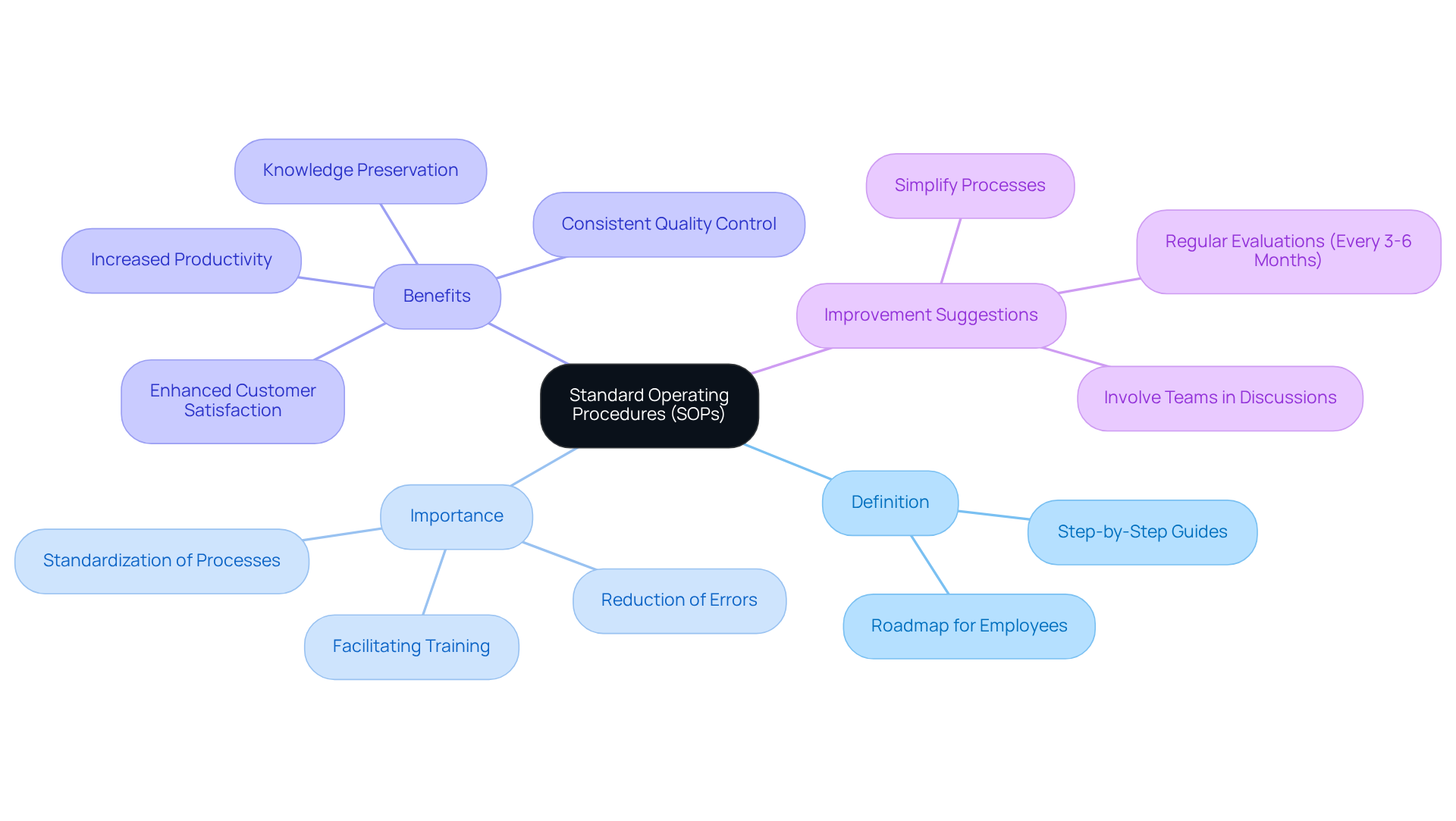
You might be wondering what really are. Well, they’re basically your go-to, step-by-step guides for getting things done in an organization. Think of them as a roadmap for employees, helping to ensure that everyone’s on the same page when it comes to consistency and quality in their work.
Now, if you’re running a small business, implementing is absolutely essential. They help standardize processes, , and make training a whole lot easier. By clearly defining , SOPs can really smooth out operations and boost overall productivity. For instance, imagine a small business that implements for . This way, every team member follows the same protocol, leading to a consistent customer experience and happier clients.
Organizations that have well-documented procedures often report fewer mistakes and a noticeable increase in productivity. This directly ties into better and, you guessed it, happier customers! In fact, did you know that eighty-five percent of failures stem from issues in systems and procedures rather than the employees themselves? Regularly checking in on these procedures-ideally every 3 to 6 months-keeps them relevant and effective. It’s all about , which is key for long-term success.
And here’s a thought: involving your teams in discussions about improvements can really enhance buy-in and make those SOPs even more effective. So, when you think about , remember that SOPs are a vital piece of the puzzle!
Outline Steps for Developing Effective SOPs
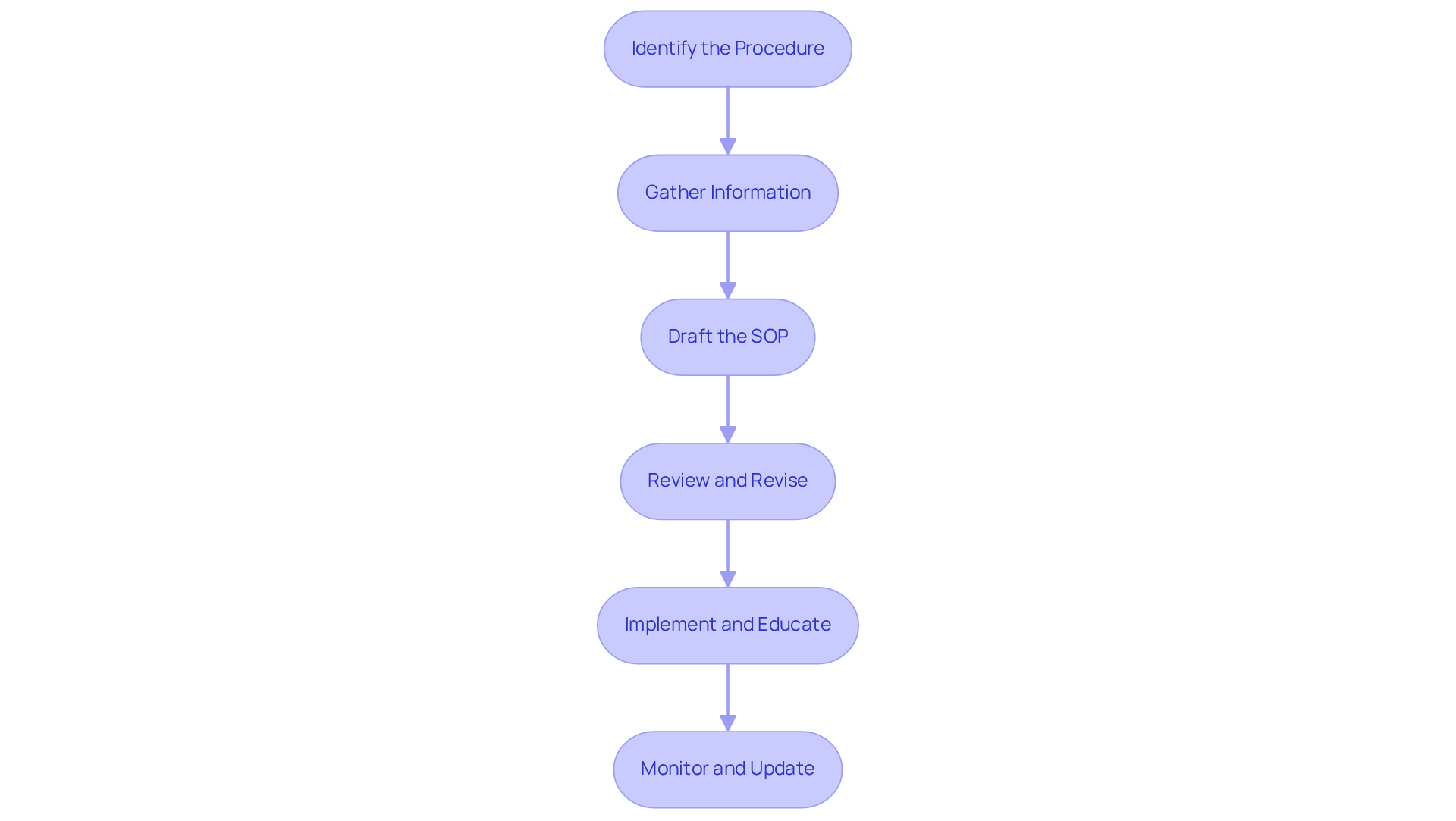
Creating effective (SOPs) can seem daunting, but it doesn’t have to be! Let’s break it down into some simple steps that can really make a difference.
- Identify the Procedure: First things first, focus on the methods that your team uses all the time and that really impact your operations. By prioritizing these , you’re setting the stage for success right from the start.
- Gather Information: You might be wondering how to get the best insights. Well, it’s all about teaming up with those who are in the trenches - your frontline employees. They know the ins and outs of daily operations, and their input can make your SOPs not just relevant, but super effective.
- Draft the SOP: Now, let’s get to writing! Use clear and concise language to draft your SOP. Make sure to include the purpose, scope, and step-by-step instructions in your . If you’re using SowFlow, their can really help streamline this process, making your documentation both thorough and easy to digest.
- Review and Revise: Once you’ve got a draft, it’s time to share it with your stakeholders for feedback. This collaborative review is key to with your organization’s goals and compliance needs. With SowFlow, is a breeze, keeping it fresh in a fast-paced business world.
- Implement and Educate: After finalizing your SOP, distribute it to everyone who needs it and . Mixing up your training methods - think workshops and e-learning - can cater to different learning styles and really help with retention.
- Monitor and Update: Finally, don’t forget to regularly review your SOP to . Setting a consistent review schedule - whether that’s quarterly, biannually, or annually - helps you stay compliant and efficient, avoiding the pitfalls of outdated procedures.
By following these steps, you can create that not only boost operational efficiency but also reduce errors and promote a culture of accountability and continuous improvement. So, what are you waiting for? Let’s get started!
Highlight Benefits of Implementing SOPs in Small Businesses
You might be wondering how can really make a difference when implemented. Well, let’s dive into it!
- Consistency: SOPs help standardize how tasks are done, which means less variability and better quality control. In fact, businesses that use SOPs often see a . That’s pretty impressive, right? It shows just how effective these procedures can be in keeping standards high.
- Efficiency: Who doesn’t want to save time? By , SOPs cut down on the time spent on instructions and daily tasks. For instance, they can shrink the new hire training period from five weeks to just two! This means companies can get their staff up to speed much faster.
- : Clear procedures make it easier for new employees to learn the ropes quickly. This structured approach not only boosts training outcomes but also builds a culture of accountability and excellence in the workplace.
- : SOPs are key in spotting potential risks and setting up protocols to tackle them. They help ensure compliance with industry regulations, too. Companies that include quality checkpoints in their SOPs have reported a 32% reduction in defect rates. Talk about !
- : Keeping a record of methods helps protect valuable institutional knowledge. This is super important when employees leave or change roles. For example, a small restaurant that uses SOPs for food prep can maintain consistent quality and safety standards, leading to happier customers.
By embracing small business standard operating procedures, small businesses can achieve operational excellence, ensuring that workflows are efficient and adaptable to changes in the workforce. And let’s not forget about SowFlow-it’s been a game changer, offering tools that save time and simplify the .
Now, doesn’t that sound like a win-win?

Address Challenges in SOP Implementation and Solutions
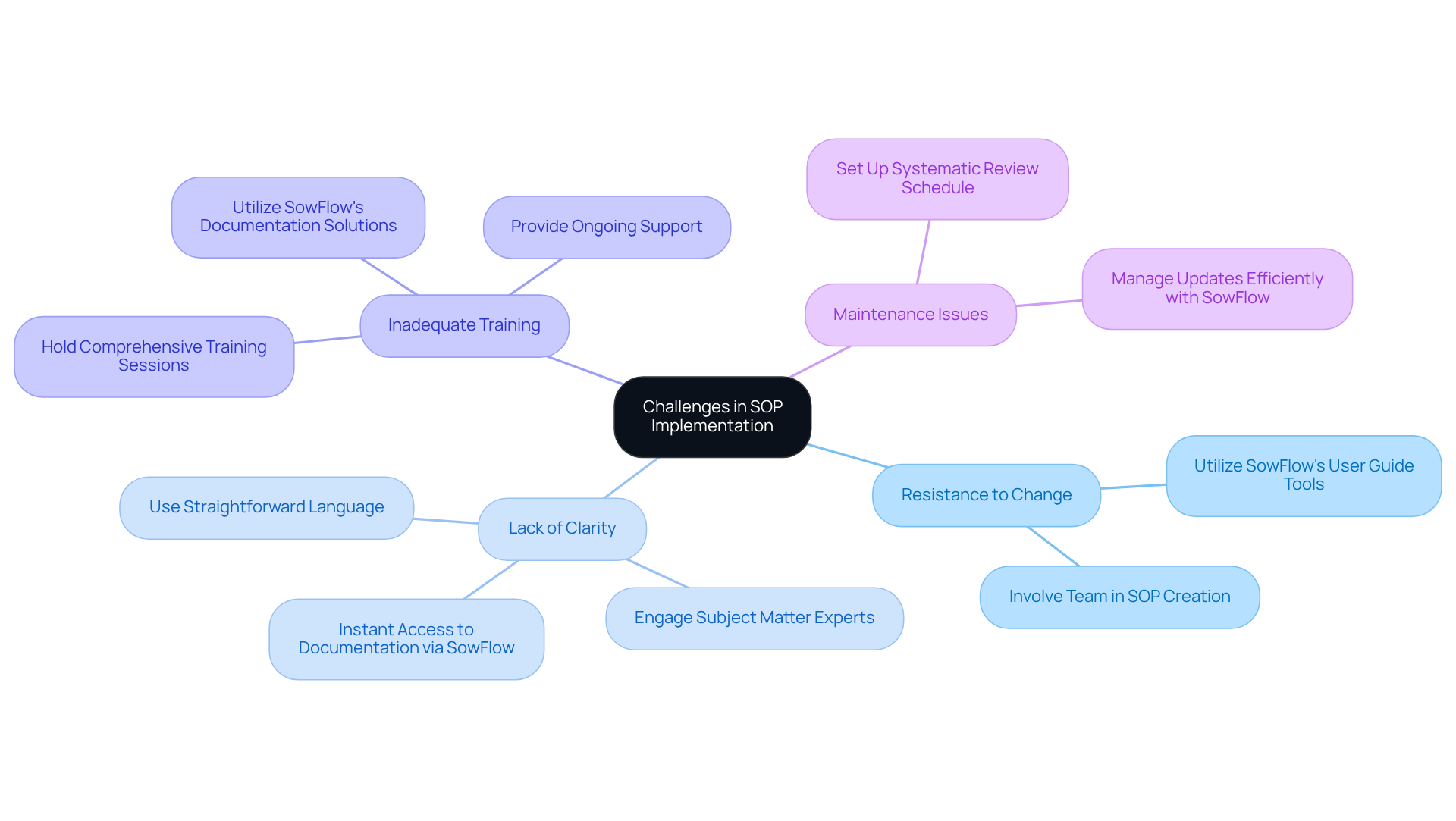
Implementing (SOPs) can be a bit tricky, right? Let’s talk about some challenges you might face and how to tackle them effectively:
- Resistance to Change: You might be wondering why some staff members are hesitant to embrace new SOPs. Well, data shows that , often because they don’t fully understand the new procedures or haven’t been involved in their development. Solution: Get your team involved! By actively including them in the SOP creation process, you’ll not only foster buy-in but also showcase the real benefits of these new procedures. Plus, can help by providing clear documentation that engages everyone from the start.
- Lack of Clarity: Ever read a poorly written SOP and felt completely lost? It happens! . Solution: Use straightforward language and bring in subject matter experts during the drafting phase to ensure everything is accurate and easy to understand. With SowFlow, your team can access documentation instantly, making it a breeze to keep everything up-to-date and clear.
- Inadequate Training: If your employees aren’t trained properly, they might struggle to grasp the SOPs. Did you know ? Approach: Hold that emphasize the importance of SOPs and provide ongoing support. can streamline this process by offering easily accessible guides that reinforce the value of sticking to established procedures.
- Maintenance Issues: SOPs can quickly become outdated if you don’t review them regularly. Solution: Set up a to keep your SOPs fresh and relevant in a constantly changing business landscape. With SowFlow’s , you can manage updates efficiently, ensuring everyone has access to the latest procedures.
By proactively addressing these challenges, small businesses like yours can successfully implement small business , which will lead to improved efficiency and consistency in operations. So, what do you think? Ready to dive into the world of effective documentation?
Conclusion
Implementing Standard Operating Procedures (SOPs) isn’t just a box to check off; it’s a smart move for small businesses that want to thrive. You might be wondering how clear, step-by-step guides can really make a difference. Well, they help ensure consistency, boost productivity, and create a culture where everyone feels accountable. Think of SOPs as the backbone of operational excellence - they align your team’s efforts and help cut down on mistakes.
Now, let’s talk about the perks of having SOPs in place. They can really ramp up training efficiency, reduce risks, and keep valuable knowledge within your organization. By getting your employees involved in crafting these procedures, you can tackle common hurdles like resistance to change and confusion. Plus, don’t forget to regularly review and update your SOPs to keep them fresh and effective. This way, you’ll have a smoother operation overall.
As small businesses face the ups and downs of growth, embracing SOPs can truly be a game changer. This approach not only makes your operations run more smoothly but also helps your organization adapt quickly to new challenges. So, why not take the plunge? Implementing and refining these procedures can set you up for long-term success, ensuring that every team member is ready to pitch in and create a cohesive, productive work environment.
Frequently Asked Questions
What are Standard Operating Procedures (SOPs)?
Standard Operating Procedures (SOPs) are step-by-step guides that outline how tasks should be performed within an organization, serving as a roadmap for employees to ensure consistency and quality in their work.
Why are SOPs important for small businesses?
SOPs are essential for small businesses as they help standardize processes, reduce errors, and simplify training. They clearly define roles and responsibilities, which can enhance operations and improve overall productivity.
How can SOPs improve customer service?
By implementing SOPs for customer service, every team member follows the same protocol, leading to a consistent customer experience and ultimately resulting in happier clients.
What benefits do organizations experience from well-documented procedures?
Organizations with well-documented procedures often report fewer mistakes and increased productivity, which contributes to better operational efficiency and customer satisfaction.
What percentage of failures is attributed to issues in systems and procedures?
Eighty-five percent of failures stem from issues in systems and procedures rather than the employees themselves.
How often should SOPs be reviewed and updated?
SOPs should ideally be reviewed and updated every 3 to 6 months to keep them relevant and effective.
How can involving teams in SOP discussions enhance their effectiveness?
Involving teams in discussions about improvements can increase buy-in and make the SOPs more effective, fostering a culture of continuous improvement that is crucial for long-term success.
👍
What others are liking


5 Steps to outline your ideal documentation structure
5 MINS READ
Where to start the your journey of mapping out your ideal documentation structure, aligning it with the very heartbeat of your organization?
Defining a winning level of detail in your process
3 MINS READ
What is too much detail, and what is too little? This article described in that winning level detail about what detail is enough.


