


Key Highlights
- A breach of code of conduct occurs when employees deviate from ethical standards, including dishonesty, harassment, and misuse of resources.
- Operations managers must understand specific behaviours that constitute breaches and keep the code of conduct updated.
- Legal frameworks, like the Fair Work Act 2009, can dictate consequences for serious violations, including termination.
- 63% of individuals reporting misconduct experience retaliation, highlighting the need for a supportive culture.
- Immediate steps to address breaches include assessing the situation, controlling the incident, notifying relevant parties, and documenting initial findings.
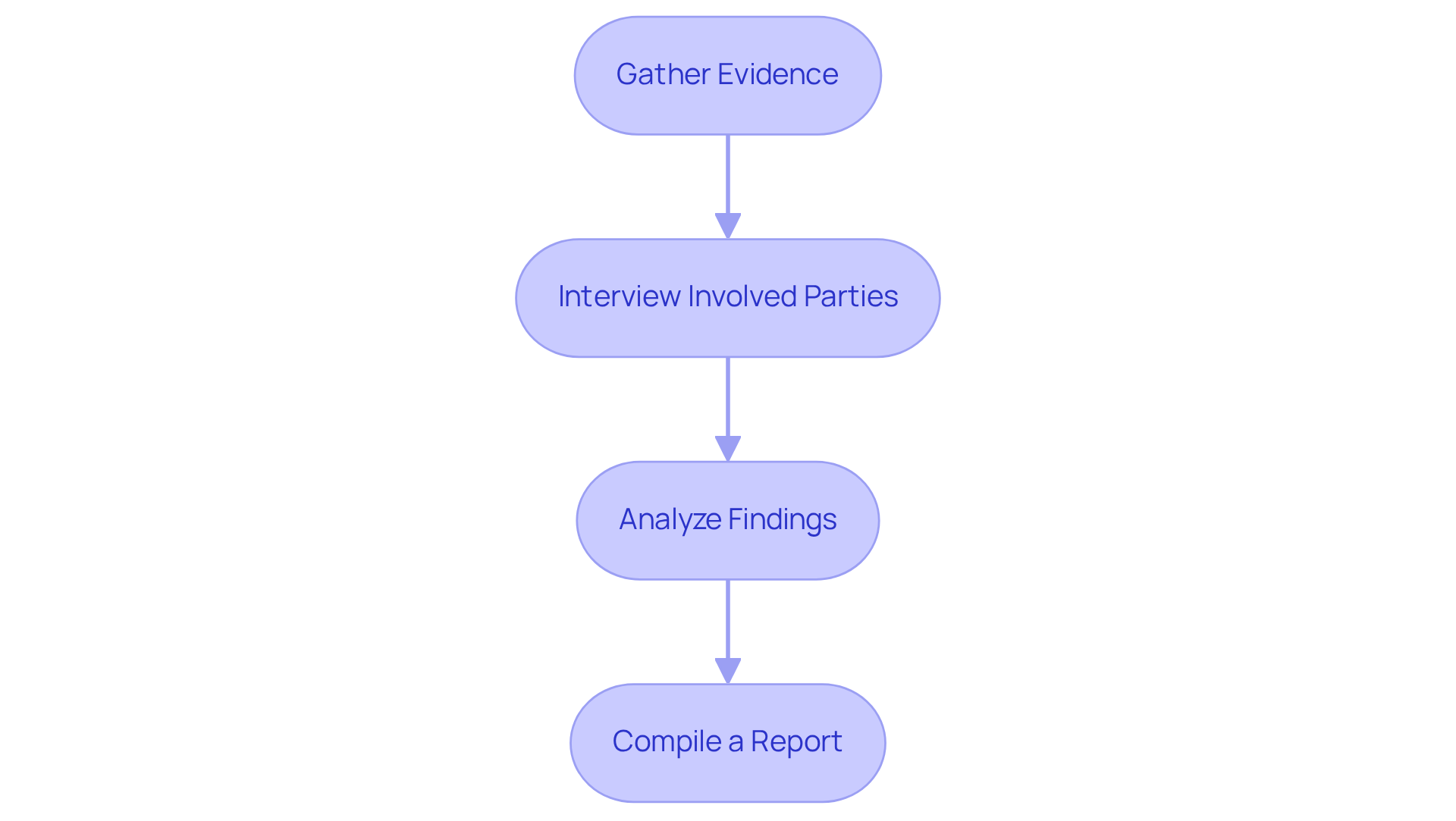
- A thorough investigation requires gathering evidence, interviewing involved parties, analysing findings, and compiling a formal report.
- Effective documentation of breaches and response actions is crucial for compliance and future reference, with only 54% of organisations maintaining incident logs properly.
- Communication with stakeholders should be transparent, involve multiple channels, and include follow-up updates to maintain trust.
- Regular reviews and updates of the code of conduct are essential to prevent future breaches, with 70% of organisations revising guidelines post-incident.
- Training programmes are vital to reinforce ethical conduct, as 95% of data breaches involve human error.
Introduction
In any organization, you might be wondering just how important ethical standards really are. Well, they’re absolutely crucial! When breaches of the code of conduct happen, they can really shake up the harmony and trust that make a workplace thrive. That’s where operations managers come in. They have a key role in tackling these violations, making sure the response is not just quick but also effective in bringing back order and confidence.
But here’s the thing: navigating the complexities of these incidents raises an important question. How can managers strike the right balance between holding people accountable and creating a supportive environment for employees? This article is here to explore some strategies and best practices that operations managers can use to handle breaches of conduct. Let’s turn those challenges into opportunities for growth and improvement!
Understand the Breach of Code of Conduct
You might be wondering what happens when there is a breach of code of conduct by someone who doesn’t follow the company’s guidelines. Well, a breach of code of conduct occurs when an employee deviates from the ethical standards and policies that ensure everything runs smoothly. Common slip-ups include:
- Dishonesty
- Harassment
- Misusing company resources
- Conflicts of interest
For example, if someone misrepresents their credentials or engages in activities that compromise their loyalty to the employer, it can really shake up the trust within the company.
So, how do operations managers address a breach of code of conduct? First off, they need to get a grip on the specific behaviors that cross the line. This understanding comes from diving into the entity's code of conduct, which should clearly outline expected behaviors and the consequences of a breach of code of conduct. And let’s not forget, keeping that code updated is crucial! After all, 28% of organizations struggle to keep their code in sync with new legal requirements and changing workplace practices.
Speaking of keeping up, it’s also super important to be familiar with the laws and regulations that apply to your industry. These can really shape how violations are defined and managed. For instance, under the Fair Work Act 2009, serious violations can lead to termination for misconduct. The impact of a breach of code of conduct can be huge, leading to a loss of trust among colleagues and stakeholders, and even legal troubles like litigation or fines.
Now, here’s a staggering fact: 63% of individuals who reported misconduct faced retaliation. That’s a serious wake-up call about the repercussions of violations! To combat this, proactive monitoring and regular training sessions are a must to ensure everyone’s on the same page and to foster an ethical workplace culture. Plus, keeping detailed documentation of inquiries and disciplinary actions is key for transparency when addressing violations.

Take Immediate Action Upon Identifying a Breach
When you notice a breach of code of conduct, what’s the first thing you should do? Here’s a quick guide to help you navigate those tricky waters:
- Assess the Situation: First off, take a moment to evaluate what’s going on. What kind of violation are we dealing with? Is it something that poses an immediate threat to your organization or your team? Getting a clear picture is key.
- Control the Incident: Next, it’s time to take action. If necessary, you might need to step in and control the situation to prevent any further issues. This could mean suspending the employee involved or limiting access to sensitive information. Better safe than sorry, right?
- Notify Relevant Parties: Now, don’t keep this to yourself! Make sure to inform key stakeholders, like HR and legal counsel, about what’s happened. It’s crucial to follow the right protocols to handle the situation effectively.
- Document Initial Findings: Finally, jot down all the important details about the incident. What time did it happen? What exactly went down? And what actions did you take right away? Keeping a record of these initial findings can be super helpful down the line.
So, there you have it! By following these steps, you’ll be better prepared to handle a breach of code of conduct when it occurs.

Conduct a Thorough Investigation of the Breach
If you’re looking to dig deep into a breach of the code of conduct, you’ll want to follow these essential steps:
- Gather Evidence: First things first, collect all the relevant documentation - think emails, reports, and witness statements. It’s super important to keep that evidence in its original state to avoid any tampering. Just a heads up: the costs tied to a security incident can skyrocket compared to what you’d spend on compliance management. So, gathering solid evidence? Absolutely essential.
- Interview Involved Parties: Next up, chat with the employee involved and any witnesses. Use open-ended questions to get the full scoop on what happened. You want to ensure you really understand the situation. As Paul Koziarz pointed out, compliance creates a level playing field for everyone, which is why it is crucial to address any breach of code of conduct through fair and thorough inquiries.
- Analyze Findings: Now, take a good look at the evidence you’ve gathered. Look for patterns or recurring issues that might have led to the violation. Keep your analysis objective - bias can really mess with your findings. And don’t forget to think about the long-term effects of a violation, like losing stakeholder and investor confidence. That can hit your organization hard.
- Compile a Report: Finally, document everything in a clear and concise report. This should lay out the facts, your conclusions, and any recommendations for next steps. It’s your formal record of the investigation. Reflecting on the GR Social investigation ruling, it’s crucial to conduct your investigation fairly and thoroughly to steer clear of any potential legal troubles.
Document the Breach and Response Actions
You might be wondering why effective documentation is so crucial when managing breaches of the code of conduct. Well, let’s break it down! Following these simple guidelines can really help you stay compliant and respond thoroughly when issues arise.
- Create an Incident Log: First things first, keep a detailed log of the incident. This should include dates, times, the people involved, and the actions you took. It’s super important to update this regularly as new info comes in. Did you know that studies show only 54% of organizations keep such logs effectively? That’s a big opportunity for improvement!
- Record Investigation Findings: Next up, document everything from your investigation. This means noting down the evidence you collected and the interviews you conducted. Remember, this needs to be factual and objective. Why? Because it’ll be a key reference during audits or any potential legal matters.
- Outline Response Actions: Now, let’s talk about the actions you took in response to the violation. Clearly outline any disciplinary measures or changes to procedures in the event of a breach of code of conduct. Make sure this documentation is easy to access later on. Transparency and accountability are key here!
- Review Documentation Regularly: Lastly, don’t forget to review and update your documentation periodically. Keeping things accurate is essential, especially when new information pops up or policies change. Regularly checking your violation logs can really boost your company’s compliance and readiness for any scrutiny.
By sticking to these guidelines, you’ll find that navigating the complexities of incident management becomes a whole lot easier. Plus, it helps ensure your organization stays compliant and ready for whatever comes next!

Communicate the Breach to Stakeholders
When it comes to communicating a breach to stakeholders, you might be wondering what the best steps are. Let’s break it down into some key actions you can take:
- Prepare a Communication Plan: First things first, you’ll want to set up a solid plan. This should outline what information you’ll share, who will be the spokespersons, and when you’ll communicate. Having a structured approach helps you manage the situation more effectively.
- Be Transparent: Honesty is key here. Make sure to provide clear and precise information about the incident - what happened, how it might affect everyone, and what steps you’re taking to fix it. Being transparent builds trust and accountability. Did you know that organizations that prioritize transparency during breaches see a whopping 70% satisfaction rate among stakeholders regarding their communication efforts?
- Use Multiple Channels: Don’t just stick to one method of communication. Use a mix of emails, meetings, and official statements to reach everyone involved. This multi-channel approach ensures your message gets out there and is understood. For instance, you might kick things off with an email announcement, follow it up with a meeting to address concerns, and then send another email with updates.
- Follow Up: After your initial communication, keep the updates coming as new information arises or actions are taken. Regular updates reassure everyone that you’re on top of things and show your commitment to transparency. Research shows that organizations that maintain open dialogue and provide clear updates can really mitigate reputational damage and keep stakeholder trust intact.
So, effective communication plans not only tackle immediate concerns but also set the stage for long-term recovery and rebuilding those important relationships. Now, how can you apply these steps in your own situation?

Review and Update Policies to Prevent Future Breaches
To effectively prevent future breaches, you might be wondering what steps operations managers should take. Here’s a friendly guide to help you navigate this important task:
- Conduct a Code Review: Regularly check your entity's code of conduct and guidelines. Are they still in line with today’s risks and challenges? Statistics show that about 70% of organizations revise their guidelines after an incident. This highlights how crucial it is to stay proactive. As compliance experts say, "Ongoing vigilance in cybersecurity is essential to adapt to evolving threats."
- Integrate Insights Acquired: Have you thought about using the knowledge gained from security investigations to update your guidelines? Recognizing gaps in your current policies is key. Organizations that learn from past breaches of code of conduct report a remarkable 40% decrease in recurring incidents. It’s all about learning from mistakes to boost future security measures.
- Engage Stakeholders: Involve key stakeholders in the guideline review process. Gathering diverse perspectives can really help, don’t you think? Cooperation among departments not only improves the efficiency of updates but also ensures that potential risks are thoroughly covered.
- Implement Training Programs: Now, let’s dive into training programs. Creating and executing these programs is vital to inform employees about updated policies and reinforce the importance of ethical conduct. Compliance experts emphasize that ongoing training is essential to avoid a breach of code of conduct. Organizations that conduct regular training see a 50% increase in adherence to ethical standards post-breach. Plus, it’s worth noting that 95% of data breaches involve some form of human error. This underscores the need for comprehensive training to mitigate risks associated with human mistakes.

Conclusion
You might be wondering why addressing breaches of the code of conduct is such a big deal for operations managers. Well, it’s crucial because it directly affects the integrity and ethical standards of your organization. When these breaches are managed effectively, not only does it protect the company’s reputation, but it also builds a culture of accountability and trust among employees.
Throughout this article, we’ve shared some key strategies for tackling these breaches head-on. Think about:
- Understanding the nature of the breach
- Taking immediate action
- Conducting thorough investigations
- Documenting findings
- Communicating transparently with stakeholders
Plus, don’t forget to review and update your policies to prevent future incidents. By following these steps, you can manage breaches more effectively and show your commitment to ethical conduct.
Now, let’s wrap this up. The importance of being proactive and continuously improving how we handle breaches can’t be overstated. Organizations really need to prioritize training and policy updates, making sure everyone is well-informed and aligned with ethical standards. By creating an environment of transparency and accountability, you can significantly reduce risks and enhance the overall ethical climate in your organization. Embracing these best practices not only protects your organization but also fosters a culture where ethical behavior is truly valued and upheld. So, what steps will you take next?
Frequently Asked Questions
What constitutes a breach of code of conduct?
A breach of code of conduct occurs when an employee deviates from the ethical standards and policies set by the company. Common examples include dishonesty, harassment, misusing company resources, and conflicts of interest.
How can a breach of code of conduct affect a company?
A breach can lead to a loss of trust among colleagues and stakeholders, as well as potential legal troubles such as litigation or fines.
What steps should operations managers take when addressing a breach?
Operations managers should understand the specific behaviors that constitute a breach by reviewing the company's code of conduct, which outlines expected behaviors and consequences. They should also ensure the code is updated regularly.
What laws and regulations should be considered when dealing with breaches?
It is important to be familiar with industry-specific laws and regulations, as they can influence how violations are defined and managed. For instance, under the Fair Work Act 2009, serious violations can lead to termination for misconduct.
What is the importance of monitoring and training regarding the code of conduct?
Proactive monitoring and regular training sessions are essential to ensure employees understand the code of conduct and to foster an ethical workplace culture.
What should be done immediately upon identifying a breach?
Upon identifying a breach, one should assess the situation, control the incident if necessary, notify relevant parties such as HR and legal counsel, and document initial findings about the incident.
Why is documentation important when handling a breach?
Keeping detailed documentation of inquiries and disciplinary actions is key for transparency and can be helpful in future proceedings related to the breach.
What percentage of individuals who reported misconduct faced retaliation?
A staggering 63% of individuals who reported misconduct faced retaliation, highlighting the serious repercussions of violations.
👍
What others are liking


5 Steps to outline your ideal documentation structure
5 MINS READ
Where to start the your journey of mapping out your ideal documentation structure, aligning it with the very heartbeat of your organization?
Defining a winning level of detail in your process
3 MINS READ
What is too much detail, and what is too little? This article described in that winning level detail about what detail is enough.


