


Key Highlights:
- HR SOPs serve as essential documents outlining processes and policies for HR functions such as recruitment, onboarding, and performance management.
- They promote consistency and fairness in employee treatment, reducing errors and boosting operational efficiency.
- Organisations using HR SOPs often experience enhanced productivity and a more organised work environment.
- HR guidelines are crucial for onboarding new employees, helping them understand their roles and fostering a positive workplace culture.
- Key steps to develop an effective HR SOP template include identifying purpose and scope, outlining components, gathering input from stakeholders, drafting, reviewing, implementing, and establishing a review schedule.
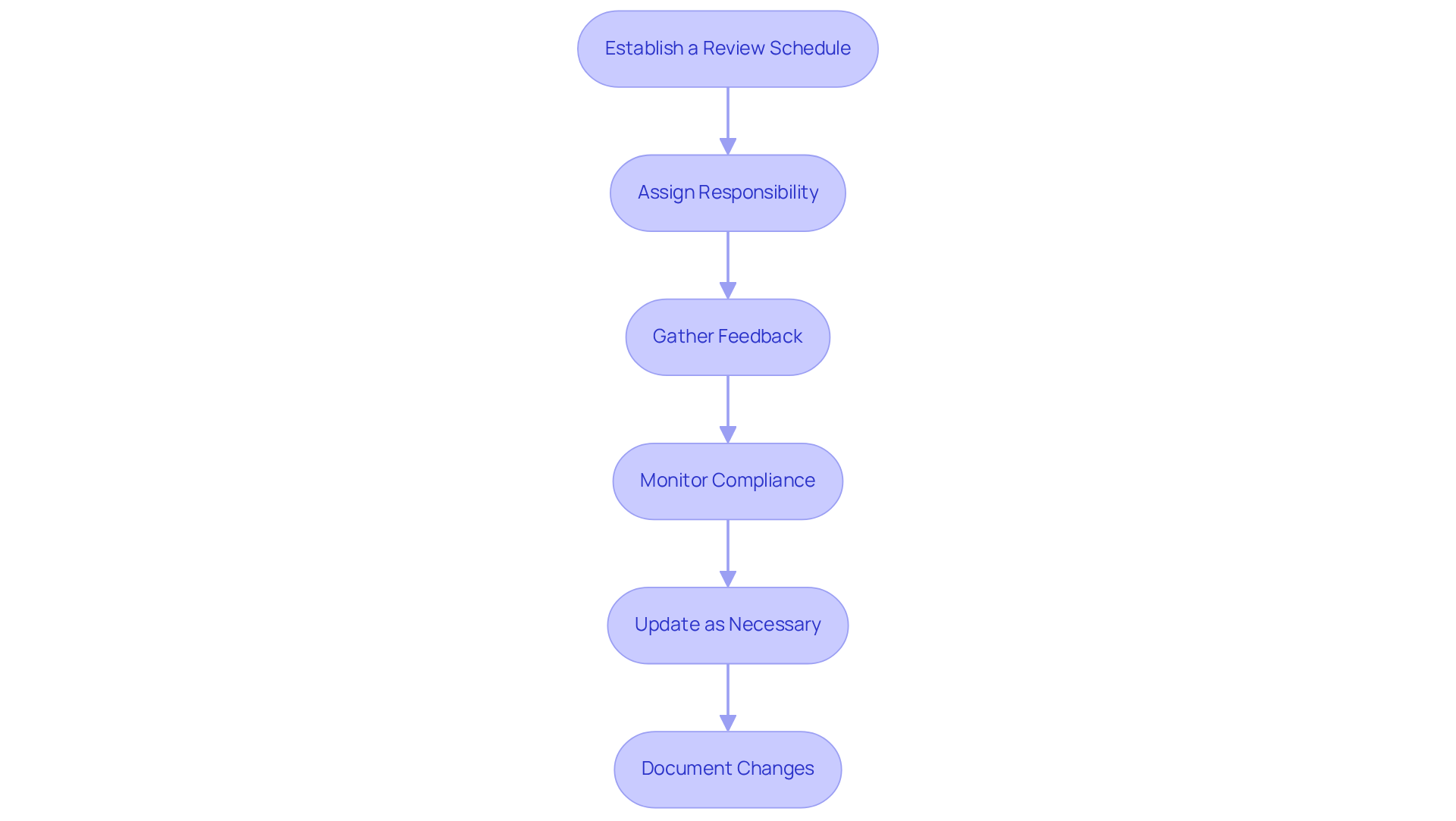
- Strategies for maintaining and reviewing SOPs include setting a review schedule, assigning responsibility, gathering feedback, monitoring compliance, updating as necessary, and documenting changes.
Introduction
You might be wondering why creating a solid framework for human resources is such a big deal. Well, if your organization is aiming for success, it’s crucial! Yet, many folks overlook the importance of Standard Operating Procedures (SOPs). These handy documents do more than just streamline HR processes; they also bring consistency, compliance, and clarity to how you manage employees.
But here’s the kicker: how can HR professionals actually whip up and keep SOPs that boost operational efficiency? That’s what we’re diving into! In this article, we’ll explore the essential steps and strategies for crafting an HR SOP template that not only meets your organization’s needs but also helps create a positive and engaged workplace culture. So, let’s get started!
Understand the Purpose of HR SOPs
You might be wondering why HR Standard Operating Procedures (SOPs) are such a big deal. Well, these essential documents serve as the standard operating procedure template for the human resources department, laying out the specific processes and policies. They create a systematic framework for managing key HR functions like:
- Recruitment
- Onboarding
- Performance management
- Making sure we’re all following labor laws
By clearly defining roles, responsibilities, and procedures, the standard operating procedure template for human resources department helps to promote consistency and fairness in how employees are treated. This not only reduces errors but also boosts overall operational efficiency. In fact, organizations that utilize a standard operating procedure template for human resources department often see enhanced productivity and a more organized work environment. Did you know that 83% of rapidly growing companies are on board with these best practices?
Now, let’s talk about how HR guidelines can be a lifesaver for new employees. They serve as invaluable training resources, helping newcomers quickly grasp their roles and responsibilities. This structured approach speeds up the onboarding process and helps create a positive workplace culture, aligning everyone’s actions with the company’s goals. As industry specialists point out, implementing a standard operating procedure template for human resources department is key to fostering a unified work atmosphere where employees feel supported and engaged. And let’s be honest, when employees feel involved, it really drives organizational success. So, what do you think? Are your HR procedures up to snuff?

Follow Key Steps to Develop Your SOP Template
How can we create an effective standard operating procedure template for human resources department? Let’s break it down together! Here are some essential steps to get you started:
-
Identify the Purpose and Scope: First things first, you’ll want to clearly define what your SOP covers and who it’s for. Tailoring the content to meet specific needs is key. After all, vague SOPs can really throw a wrench in understanding and adherence.
-
Outline Key Components: Next up, think about including vital sections like Title, Purpose, Scope, Procedures, Roles and Responsibilities, and Review Process. This structured approach helps capture all the critical info, ensuring everyone’s on the same page and compliant across HR operations by utilizing the standard operating procedure template for human resources department.
-
Gather Input from Stakeholders: Now, let’s get everyone involved! Collaborate with your HR team and other relevant parties to gather insights and feedback on what needs documenting. Involving stakeholders in the drafting process not only enhances relevance but also sheds light on potential pitfalls and areas for improvement.
-
Draft the SOP: Time to write! Use clear, concise language and don’t shy away from bullet points and numbered lists for easy readability. Each step should be actionable and specific. A well-crafted standard operating procedure template for human resources department boosts employee confidence and reduces errors by providing clear instructions for tasks.
-
Review and Revise: Once you’ve got a draft, share it with stakeholders for their feedback. Revise based on their input to ensure accuracy and completeness. Regular evaluations and updates are crucial for keeping your SOP effective and compliant with changing business needs.
-
Implement and Train: After finalizing, distribute the SOP to your team and provide training on how to use it. Effective training is essential so that everyone understands and follows the SOP correctly-this is critical for successful implementation.
-
Establish a Review Schedule: Finally, set a timeline for regular reviews and updates to keep your SOP relevant and effective. Ongoing enhancement is a must; organizations that integrate feedback loops into their SOP systems can really improve operational consistency and adapt to changes in the work environment.
So, what do you think? Ready to tackle your HR SOPs with these steps in mind?

Implement Strategies for Maintaining and Reviewing SOPs
To effectively maintain and review your standard operating procedure template for the human resources department, you might be wondering what strategies could really make a difference. Here are some friendly tips to get you started:
-
Establish a Review Schedule: How often should you evaluate your SOPs? Think about setting a frequency that works for you - maybe annually or bi-annually. It really depends on how complex the procedure is and any regulatory changes that might pop up. Regular assessments are key in the implementation of a standard operating procedure template for the human resources department! For instance, if you’re dealing with high-risk activities, consider evaluating those every 3-6 months to keep everything compliant and running smoothly.
-
Assign Responsibility: Have you thought about who’s in charge of reviewing each SOP? Designating specific team members can really help. This accountability not only ensures thorough evaluations but also fosters a culture of ownership and continuous improvement. It’s all about teamwork!
-
Gather Feedback: Don’t forget to ask for input from the folks using these procedures! Regularly seeking feedback can help you spot areas that need a little enhancement or clarification. Whether it’s through surveys or casual chats, engaging with frontline employees can lead to more effective and practical SOPs.
-
Monitor Compliance: Are your team members sticking to the standard operating procedures? Keeping an eye on compliance can help you identify any deviations. Understanding how well everyone is following the standard operating procedure template for the human resources department is crucial for evaluating its effectiveness and pinpointing areas that might need updates. If you notice a lot of questions from employees about the procedures, it might be time to revisit those evaluations.
-
Update as Necessary: When was the last time you revised your SOPs? It’s important to make changes promptly when processes, regulations, or organizational structures shift. Maintaining an up-to-date standard operating procedure template for the human resources department is essential for operational efficiency, particularly in regulated industries where outdated procedures can pose significant risks.
-
Document Changes: Lastly, don’t forget to keep a log of any revisions made to each SOP! Include the date of the change and the reason behind it. This documentation not only provides a clear history of the SOP's evolution but is also vital for compliance audits. Plus, it shows your commitment to continuous improvement.
Now that you have these strategies in mind, why not take a moment to reflect on your own documentation practices? You might find some areas that could use a little TLC!
Conclusion
Creating a standard operating procedure (SOP) template for human resources isn’t just about ticking boxes; it’s a game-changer that can really boost your organization’s efficiency and employee satisfaction. You might be wondering why HR SOPs matter so much. Well, they lay down clear guidelines for everything from recruitment and onboarding to performance management and compliance with labor laws. By taking a structured approach, you can ensure consistency and fairness, which ultimately leads to a more productive work environment.
Now, let’s talk about how to develop an effective SOP template. Key steps include:
- Figuring out the purpose and scope
- Outlining essential components
- Gathering input from stakeholders
- Drafting the SOP
- Setting up a regular review schedule
And don’t forget about training and continuous feedback! These are crucial for keeping your procedures effective. By following these steps, you can build a solid framework that supports both HR operations and employee engagement.
In conclusion, creating and maintaining a comprehensive HR SOP template is essential for fostering a successful workplace. Organizations should really prioritize these procedures - not just to boost operational efficiency but also to create a culture of support and involvement among employees. Embracing these best practices will streamline HR functions and contribute to overall organizational success. So, why wait? Start refining your HR SOPs today, and you’ll pave the way for a more organized, compliant, and engaged workforce tomorrow!
Frequently Asked Questions
What are HR Standard Operating Procedures (SOPs)?
HR Standard Operating Procedures (SOPs) are essential documents that outline specific processes and policies for the human resources department, creating a systematic framework for managing key HR functions like recruitment, onboarding, performance management, and compliance with labor laws.
Why are HR SOPs important?
HR SOPs are important because they promote consistency and fairness in how employees are treated, reduce errors, and boost overall operational efficiency. Organizations that utilize HR SOPs often experience enhanced productivity and a more organized work environment.
How do HR SOPs benefit new employees?
HR SOPs serve as invaluable training resources for new employees, helping them quickly understand their roles and responsibilities. This structured approach accelerates the onboarding process and fosters a positive workplace culture aligned with the company’s goals.
What impact do HR SOPs have on workplace culture?
Implementing HR SOPs is key to fostering a unified work atmosphere where employees feel supported and engaged, which drives organizational success.
What percentage of rapidly growing companies utilize HR SOPs?
Approximately 83% of rapidly growing companies implement HR SOPs as part of their best practices.
👍
What others are liking


5 Steps to outline your ideal documentation structure
5 MINS READ
Where to start the your journey of mapping out your ideal documentation structure, aligning it with the very heartbeat of your organization?
Defining a winning level of detail in your process
3 MINS READ
What is too much detail, and what is too little? This article described in that winning level detail about what detail is enough.


