


Key Highlights
- An HR manual aims to ensure compliance, facilitate onboarding, and manage employee performance.
- Key topics for inclusion are recruitment policies, staff conduct guidelines, performance management, leave policies, health and safety regulations, and employee benefits.
- Engaging stakeholders like HR personnel and department heads is crucial for gathering feedback and ensuring policies meet organisational needs.
- Policies should be drafted clearly, using straightforward language and logical procedures to enhance understanding.
- Regular reviews and updates of the HR manual are essential to maintain compliance with laws and reflect current best practises.
- Training sessions and centralised access to the HR manual improve employee engagement and understanding of policies.
- Establishing a process for ongoing maintenance ensures the HR manual remains relevant and effective, boosting employee satisfaction and retention.
Introduction
Creating a comprehensive HR policies and procedures manual isn’t just another box to check; it’s a must-have for any organization that wants to build a positive workplace culture and stay compliant. You might be wondering, how do you even start? This guide is here to walk you through the essential steps to develop a manual that not only meets regulatory needs but also boosts employee engagement and retention.
But let’s be real - there’s a lot to think about! With so many components to juggle, how can you make sure your HR manual is effective and flexible enough to keep up with the ever-changing workplace? Let’s dive into this together!
Understand the Purpose and Scope of Your HR Manual
Creating an effective HR guide? Let’s start by nailing down its main objectives. You might be wondering: what are the key goals of this manual? Think about compliance, staff onboarding, and performance management. And who’s it for? New hires, existing employees, and management all come to mind. Plus, what specific areas will the guide cover? Topics like recruitment, workplace conduct, and benefits are definitely worth considering.
Documenting these insights is super important. It helps establish a clear scope that will guide the development of your policies and procedures. A well-outlined HR guide not only makes onboarding smoother but also boosts employee engagement and retention. Did you know that organizations with structured onboarding processes can see a 50% increase in new hire productivity? And those with strong onboarding practices improve new hire retention by a whopping 82%! That really highlights how crucial clarity is in HR documentation.
Now, let’s talk about recent trends in HR guide development. There’s a growing emphasis on integrating performance management strategies, which reflects a shift towards more dynamic and responsive HR practices. Organizations are increasingly focusing on aligning their HR policies with business goals. This way, the HR policies and procedures manual becomes a strategic resource for both compliance and workforce development. Efficient HR documents often include detailed instructions that promote seamless onboarding experiences, leading to higher staff satisfaction and retention rates. Plus, when employees feel they’ve had a great onboarding experience, they’re 18 times more likely to feel committed to their company. By prioritizing these elements, HR professionals can create guides that not only meet regulatory requirements but also foster a positive workplace culture.

Identify Key Components to Include in the Manual
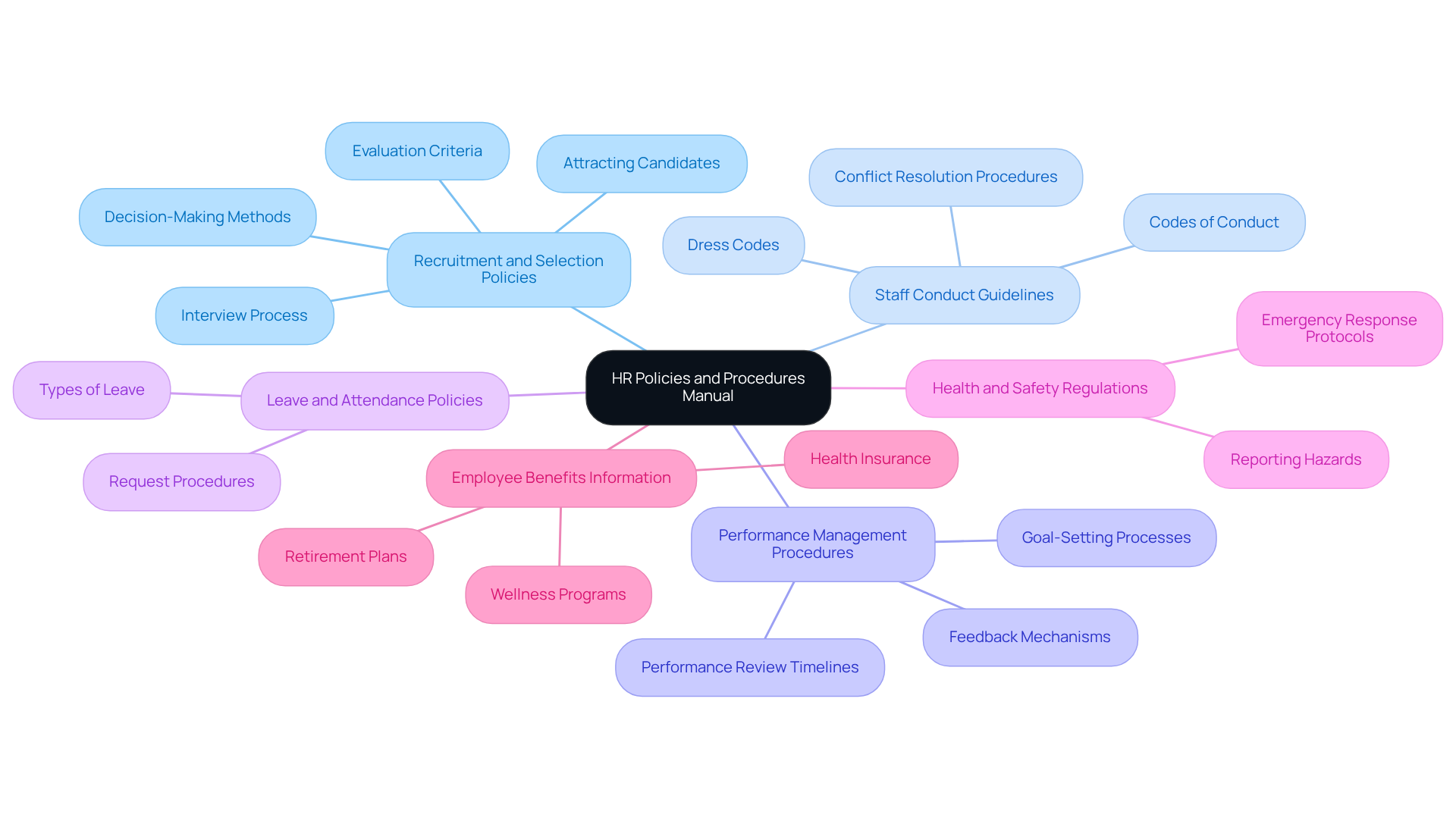
When you're assembling your hr policies and procedures manual, you may be curious about the essential components to include for clarity and compliance throughout your organization. Let’s break down some common sections you should definitely consider:
- Recruitment and Selection Policies: It’s super important to clearly outline how you’ll attract, evaluate, and hire candidates. Think about what criteria you’ll use for job postings, how interviews will go down, and the decision-making methods you’ll employ. This way, you ensure fairness and transparency throughout the process.
- Staff Conduct Guidelines: Establishing expectations for staff behavior is crucial. This includes codes of conduct, dress codes, and conflict resolution procedures. By doing this, you help maintain a professional workplace culture and create a solid framework for addressing any misconduct that might pop up.
- Performance Management Procedures: How will you assess staff performance? Define your goal-setting processes, feedback mechanisms, and performance review timelines. Emphasizing continuous feedback can really boost staff engagement and development.
- Leave and Attendance Policies: Make sure to specify the types of leave available - like sick leave, vacation, and parental leave - and outline the procedures for requesting time off. Clear guidelines help manage staff expectations and ensure everyone’s on the same page with labor laws.
- Health and Safety Regulations: Don’t forget to include protocols for keeping a safe work environment. This means reporting hazards and knowing how to respond to emergencies. This section is vital for compliance with occupational health and safety standards.
- Employee Benefits Information: Provide the lowdown on available benefits, such as health insurance, retirement plans, and wellness programs. Being transparent about benefits can really improve employee satisfaction and retention.
As you prepare these sections, consider using templates or examples from reputable sources to ensure your hr policies and procedures manual is comprehensive and aligns with industry best practices. And hey, chatting with HR experts or advisors can offer some valuable insights into developing effective strategies.
Engage Stakeholders for Input and Feedback
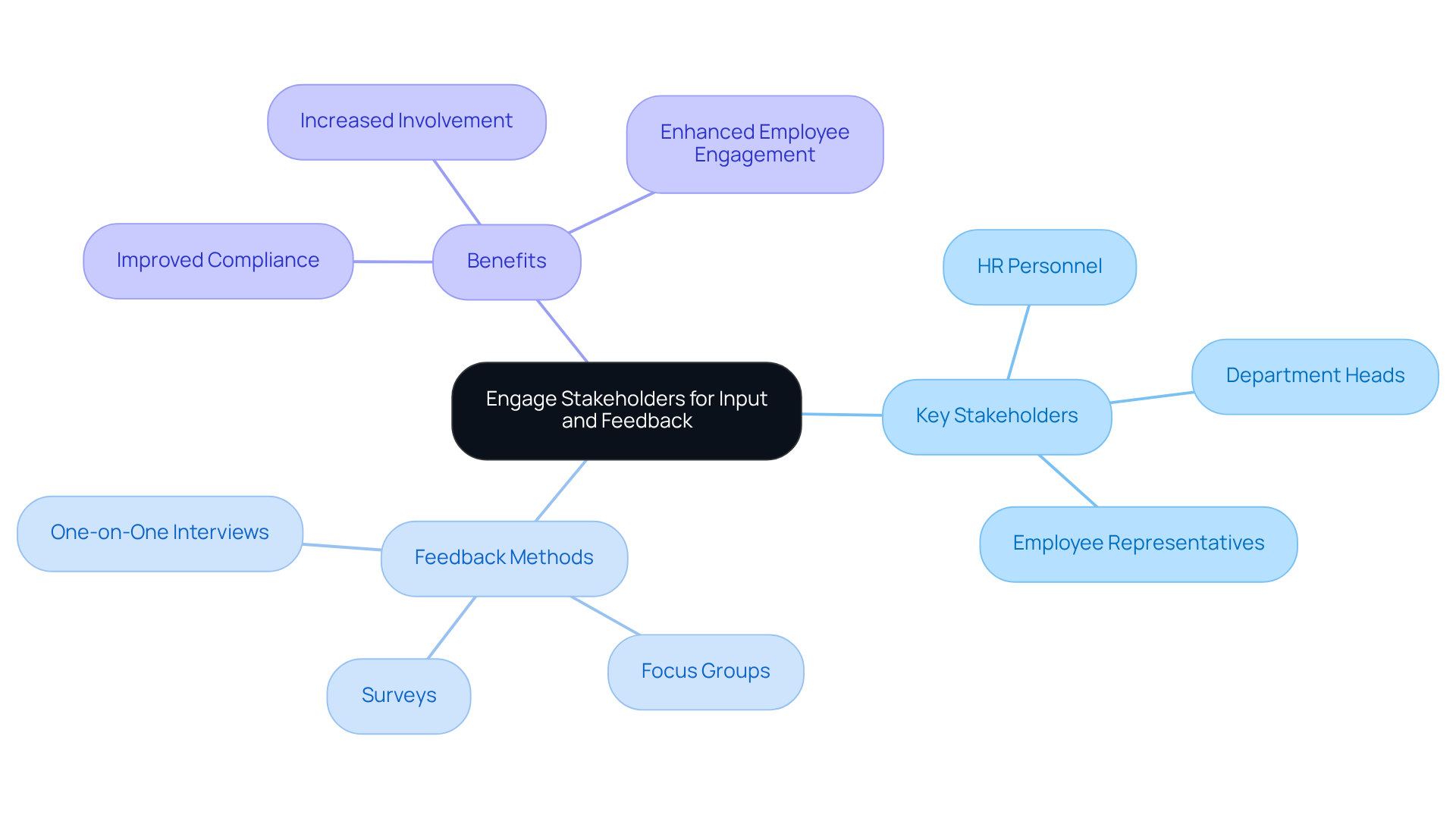
Involving key stakeholders is super important for crafting an effective HR policies and procedures manual. You might be wondering who these key players are. Well, think about those who’ll be impacted, like:
To gather some valuable insights, why not mix it up with different methods? Surveys, focus groups, and one-on-one interviews can really help here. These approaches let stakeholders share their thoughts on current regulations and pinpoint any gaps they see. For instance, surveys can give you some solid quantitative data on how satisfied staff are with existing policies, while focus groups allow for deeper discussions that uncover nuanced feedback.
Speaking of feedback, studies show that organizations that actively seek input from their staff see a noticeable boost in the effectiveness of their HR guidelines. This leads to better compliance and involvement. In fact, folks who get regular feedback are four times more likely to feel engaged compared to those who don’t. As industry expert J.R. Johnivan puts it, "continuous performance management is vital to the long-term health and productivity of any professional team."
Now, let’s dive into how incorporating this feedback into the drafting process can make a difference. It ensures that the HR policies and procedures manual aligns with the true needs of the organization and addresses any concerns raised by stakeholders. Plus, consistently seeking feedback from employees not only enhances the relevance of the guidelines but also makes them feel valued and acknowledged. This approach ultimately leads to a more engaged workforce, which is key for organizational success.
Draft Clear and Concise Policies and Procedures
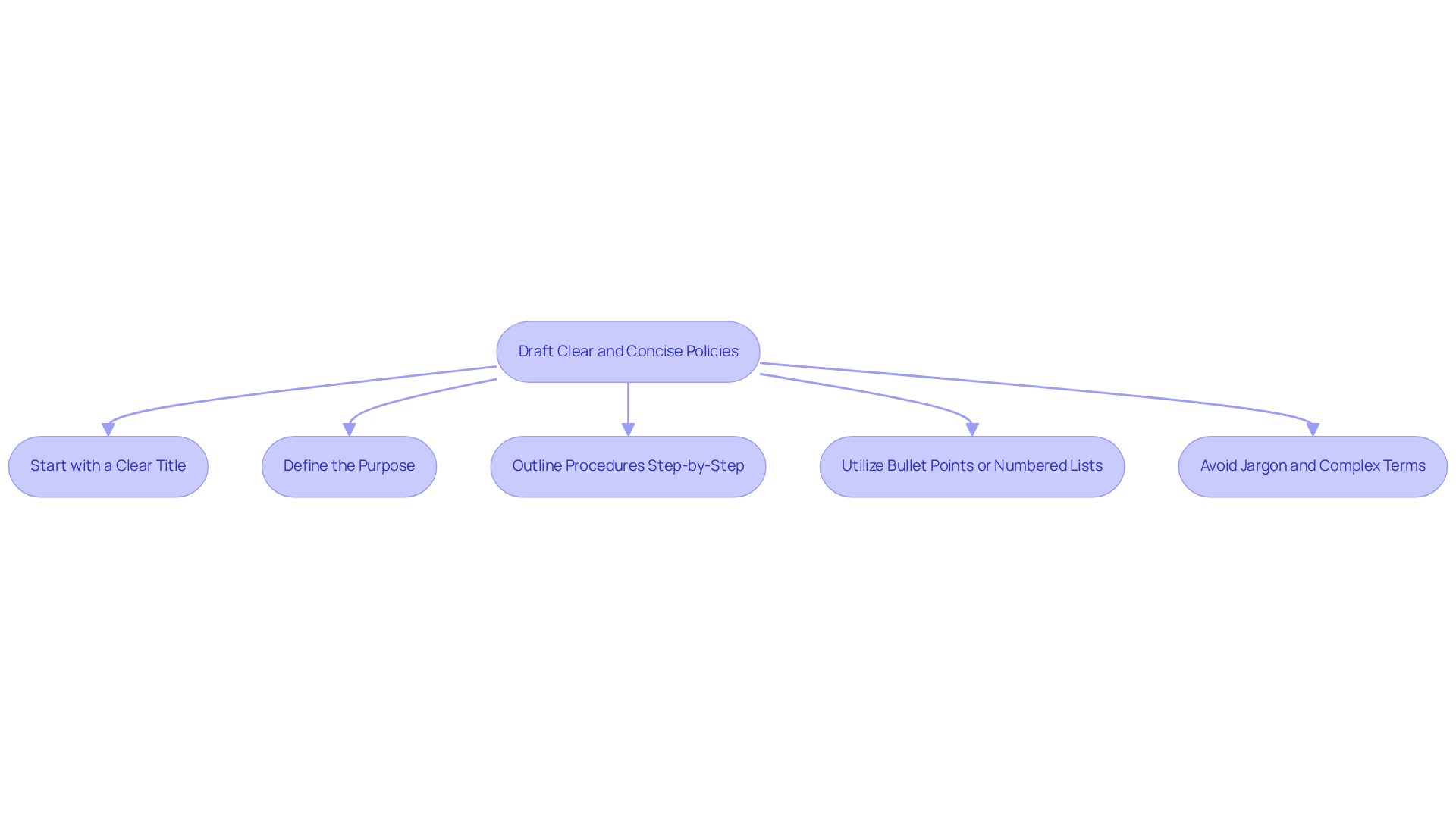
Creating effective HR guidelines? It’s all about clarity and straightforward language! Let’s break it down with some essential steps to make sure your policies are easy to grasp:
- Start with a Clear Title: Each guideline should have a specific title that reflects its content. You want folks to know what they’re diving into right away!
- Define the Purpose: Clearly articulate the intent behind the guideline to provide context. Why does this matter? Let them know!
- Outline Procedures Step-by-Step: Present procedures in a logical sequence to guide users through the process. Think of it like a recipe - step by step!
- Utilize Bullet Points or Numbered Lists: This format enhances readability and helps highlight key points. Who doesn’t love a good list?
- Avoid Jargon and Complex Terms: Use straightforward language to ensure all staff can understand the guidelines. Keep it simple, right?
For example, when you’re crafting a leave policy, consider including:
- Eligibility Criteria: Specify who qualifies for leave. It’s important to be clear here!
- Application Process: Detail how employees should apply for leave. Make it easy for them to follow.
- Approval Timelines: Outline how long it typically takes for leave requests to be approved. Nobody likes waiting in the dark!
Now, here’s a tip: involving stakeholders in the review process is key! It helps ensure that the guidelines are clear, relevant, and aligned with what your organization needs. Plus, this collaborative approach not only boosts clarity but also fosters a sense of ownership among team members. So, what do you think? Ready to dive into creating some clear and effective guidelines?
Review and Revise for Compliance and Accuracy
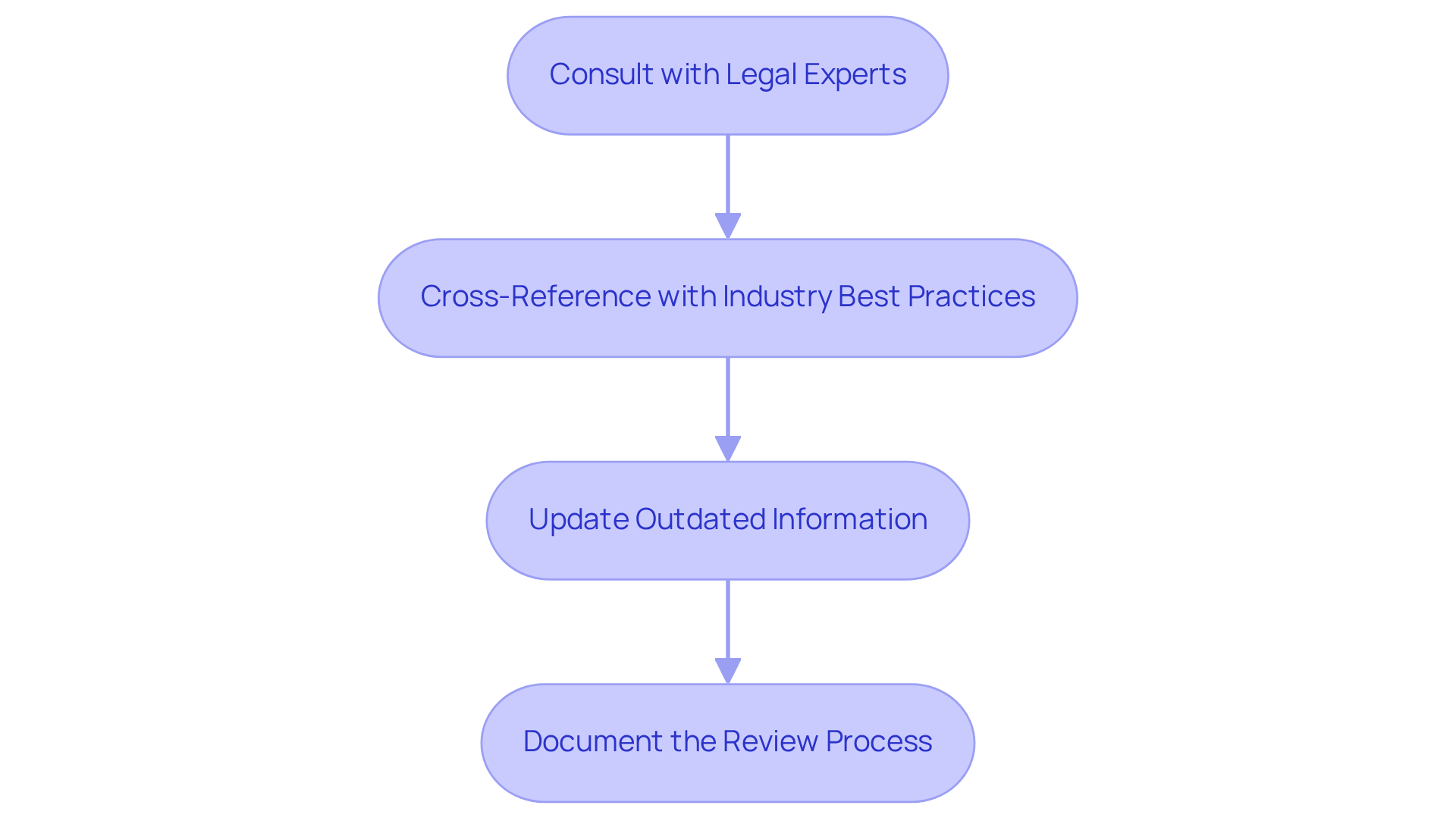
You might be wondering how to ensure your drafted guidelines are up to snuff with all the relevant laws and regulations. Well, let’s break it down into some simple steps:
- First off, consult with legal experts. They’ll help confirm that your guidelines meet all the necessary legal standards.
- Next, cross-reference your guidelines with industry best practices. It’s a great way to see how you stack up against others in your field.
- Don’t forget to update any outdated information or practices. Keeping things fresh is key!
- Finally, document the review process and any changes you make. This not only helps you keep track but also shows your commitment to compliance.
Now, consider creating a checklist to ensure all policies are reviewed systematically. It’s a handy tool that can make the process smoother and more organized. Speaking of that, how do you currently handle your documentation challenges? Let’s dive into some solutions together!
Implement the Manual and Train Employees
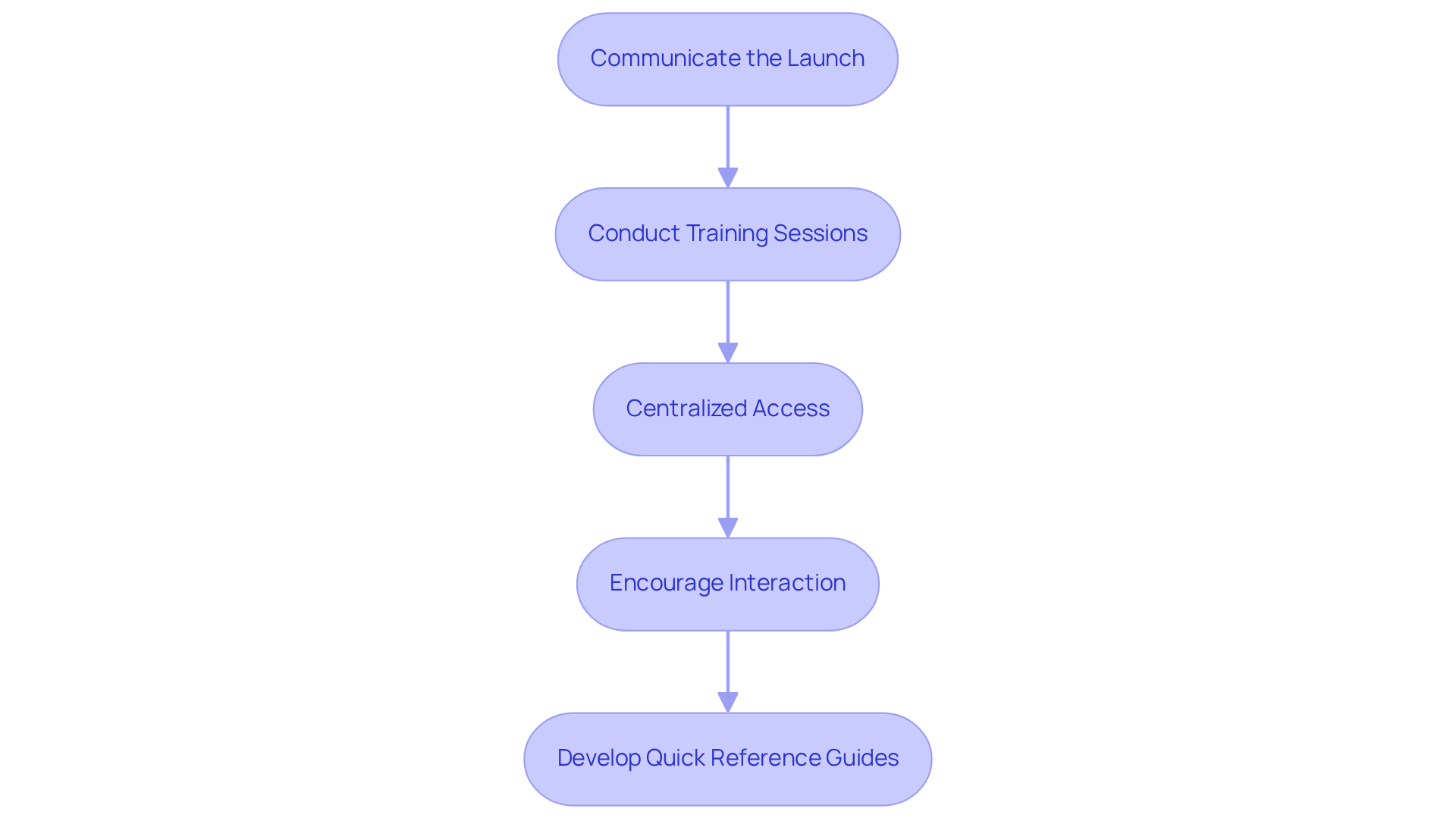
To successfully roll out the HR guide, you’ll want to make sure everyone on your team is in the loop and trained on what’s inside. Here are some key steps to keep in mind:
- Communicate the Launch: Have you thought about how to announce the manual’s launch? Use a mix of meetings, emails, and newsletters to get the word out. Engaging communication is key! Did you know that 92% of workers believe well-planned training programs boost their job engagement?
- Conduct Training Sessions: Organize some comprehensive training sessions that really dive into the key HR policies and procedures manual. This not only helps everyone understand but also fosters a culture of ongoing learning, which is super important for keeping your staff around. Companies that invest in training see a 30-50% higher retention rate - pretty impressive, right?
- Centralized Access: Make sure the HR policies and procedures manual is easy to find in a centralized spot, like an intranet. This way, everyone can quickly reference it and feel encouraged to engage with the material regularly. With SowFlow’s user guide creation capabilities, you can easily update and revise documentation, keeping it fresh and relevant in our ever-changing business world.
- Encourage Interaction: Create a welcoming atmosphere during training sessions where folks can ask questions and share feedback. This kind of interaction clears up confusion and boosts understanding. In fact, 59% of staff say that training directly enhances their performance - so it’s worth it!
Also, consider whipping up some quick reference guides or FAQs to help your team navigate the handbook. SowFlow’s solution makes it a breeze to develop these resources, improving understanding and retention, and helping employees apply the guidelines in their daily tasks.
Establish a Process for Ongoing Maintenance and Updates
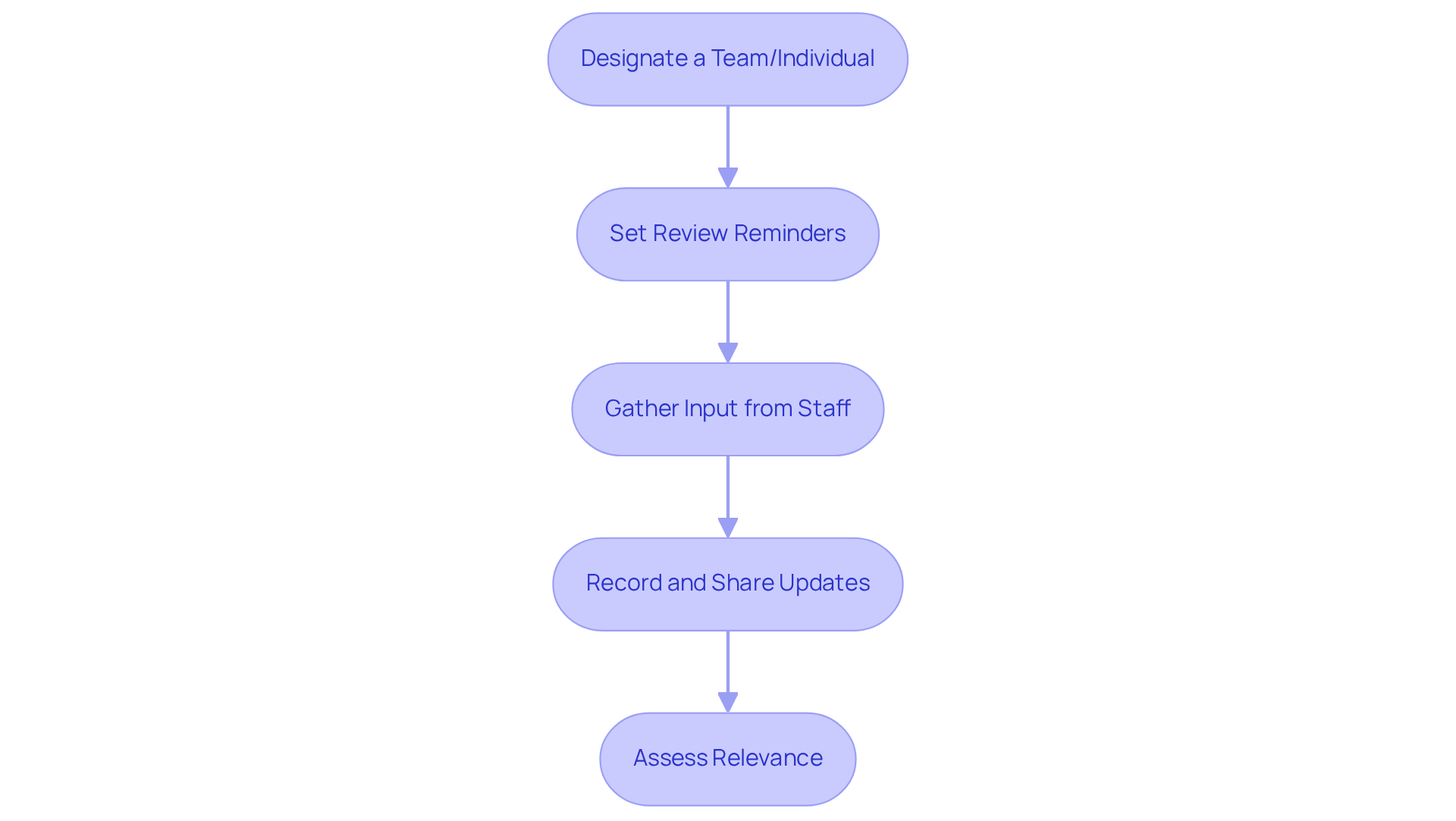
You might be wondering why it’s so important to establish a schedule for regular reviews of your HR policies and procedures manual. Well, keeping it relevant and effective is key! Here are some recommended practices to consider:
- First off, designate a team or an individual to keep an eye on changes in laws and regulations. This way, you can ensure compliance and stay aligned with current standards.
- Next, set reminders for those scheduled reviews - ideally, aim for annually or bi-annually. This helps you assess the relevance of your policies and make any necessary adjustments.
- Don’t forget to gather input from your staff and stakeholders! This can really help pinpoint areas that need updates, promoting a culture of open communication and ongoing enhancement.
- And once you make any modifications, be sure to record them and quickly share the updates with all staff. It’s super important that everyone stays informed.
This proactive approach not only keeps your HR manual up-to-date but also boosts its value as a resource for your organization. Frequent updates are crucial; research shows that organizations that emphasize ongoing feedback and relevance to procedures see significantly higher staff engagement rates - up to 70% in best-practice organizations! Plus, 90% of HR professionals agree that effective performance management is vital for fostering a supportive workplace culture.
As Morgane Lança points out, "80% of staff would prefer to receive regular feedback than go through annual performance evaluations." By implementing a structured review process, you can ensure that your HR policies and procedures manual remains effective and aligned with both legal requirements and employee needs. This is especially important considering that 41% of employees cite unfair compensation as a primary HR concern. So, let’s dive into making those updates!
Conclusion
Creating an HR policies and procedures manual is a big step for any organization looking to build a structured and compliant workplace. You might be wondering why this matters so much. Well, this manual isn’t just a bunch of rules; it’s a foundational document that lays out what’s expected from employees and aligns HR practices with the overall business goals. By putting in the time and resources to develop a comprehensive manual, organizations can really boost their onboarding processes, enhance employee engagement, and make sure they’re compliant with legal standards.
Throughout this article, we’ve touched on some key components of an effective HR manual. Think recruitment policies, staff conduct guidelines, performance management procedures, and health and safety regulations. Engaging stakeholders for input and feedback is crucial here. It ensures that the manual truly reflects the needs and concerns of the organization. Plus, clear drafting, regular reviews for compliance, and ongoing training for employees are best practices that keep the manual relevant and effective.
Now, let’s not underestimate the importance of a well-structured HR policies and procedures manual. It’s not just a guide for employees; it’s a strategic resource that helps foster a positive workplace culture and drives organizational success. By focusing on clarity, compliance, and continuous improvement in HR documentation, organizations can create an environment where employees feel valued and engaged. Embracing these practices will not only enhance operational efficiency but also contribute to a thriving organizational culture that supports long-term growth and success. So, what are you waiting for? Let’s get started on making your HR manual the best it can be!
Frequently Asked Questions
What is the purpose of an HR manual?
The purpose of an HR manual is to establish clear objectives for compliance, staff onboarding, and performance management. It serves as a resource for new hires, existing employees, and management, covering topics like recruitment, workplace conduct, and benefits.
Why is it important to document insights for an HR manual?
Documenting insights is crucial because it helps establish a clear scope for the manual, guiding the development of policies and procedures. A well-outlined HR guide enhances onboarding processes and boosts employee engagement and retention.
What recent trends are influencing HR guide development?
Recent trends include a growing emphasis on integrating performance management strategies and aligning HR policies with business goals. This shift makes the HR manual a strategic resource for compliance and workforce development.
What are the key components to include in an HR manual?
Key components to include are:
- Recruitment and Selection Policies
- Staff Conduct Guidelines
- Performance Management Procedures
- Leave and Attendance Policies
- Health and Safety Regulations
- Employee Benefits Information
How can recruitment and selection policies promote fairness?
By clearly outlining how candidates will be attracted, evaluated, and hired, including criteria for job postings and interview processes, recruitment and selection policies ensure fairness and transparency throughout the hiring process.
What should be included in staff conduct guidelines?
Staff conduct guidelines should include expectations for behavior, codes of conduct, dress codes, and procedures for conflict resolution to maintain a professional workplace culture.
How can performance management procedures enhance staff engagement?
Performance management procedures that define goal-setting processes, feedback mechanisms, and review timelines emphasize continuous feedback, which can significantly boost staff engagement and development.
What should leave and attendance policies specify?
Leave and attendance policies should specify the types of leave available (such as sick leave and vacation) and outline the procedures for requesting time off to manage staff expectations and ensure compliance with labor laws.
Why are health and safety regulations important in an HR manual?
Health and safety regulations are vital for maintaining a safe work environment, ensuring compliance with occupational health and safety standards, and providing protocols for reporting hazards and responding to emergencies.
How can transparency about employee benefits impact staff retention?
Providing clear information about available benefits, such as health insurance and retirement plans, can significantly improve employee satisfaction and retention by ensuring employees are aware of their entitlements.
👍
What others are liking


5 Steps to outline your ideal documentation structure
5 MINS READ
Where to start the your journey of mapping out your ideal documentation structure, aligning it with the very heartbeat of your organization?
Defining a winning level of detail in your process
3 MINS READ
What is too much detail, and what is too little? This article described in that winning level detail about what detail is enough.


