

Automation and Documentation
|
March 9, 2026
|

Create Effective SOPs for Hospitals: A Step-by-Step Guide
Key Highlights:
- SOPs ensure consistency in patient care, reducing variability and enhancing service quality.
- They play a crucial role in patient safety by minimising errors, such as medication administration mistakes.
- SOPs help hospitals comply with regulations, avoiding legal issues and penalties.
- They serve as vital training tools for onboarding new staff, maintaining care quality despite turnover.
- Well-documented SOPs enhance operational efficiency, leading to better patient flow and shorter wait times.
- Regular revisions of SOPs are necessary to keep them aligned with clinical and regulatory updates.
- Involving frontline staff in SOP development improves relevance and effectiveness.
- Complementary safety checklists enhance the safety and consistency of medical practises.
- Key steps to develop SOPs include identifying procedures, collecting stakeholder feedback, drafting, reviewing, implementing, and monitoring.
- Tools like SOP management software and document templates streamline the SOP creation process.
- Visual aids, training modules, and feedback mechanisms improve staff engagement and adherence to SOPs.
- Common challenges in SOP development include lack of clarity, inconsistent formatting, resistance to change, insufficient training, and failure to update.
Introduction
You might be wondering why creating effective Standard Operating Procedures (SOPs) is such a big deal for hospitals. Well, it’s pivotal for delivering consistent, high-quality patient care! These documents not only boost operational efficiency but also act as a safety net against errors that could put patient safety at risk.
But let’s be real - the journey to developing solid SOPs isn’t always smooth sailing. There are challenges to tackle, like ensuring clarity and compliance, not to mention overcoming any staff resistance. So, how can hospitals navigate these bumps in the road to set up procedures that genuinely support their mission of care?
In this article, we’ll walk you through a comprehensive, step-by-step guide to crafting effective SOPs. We’ll address those concerns and help elevate healthcare practices, making it easier for everyone involved!
Understand the Importance of SOPs in Hospitals
You might be wondering why the SOP for hospitals is such a big deal. Well, let’s break it down together!
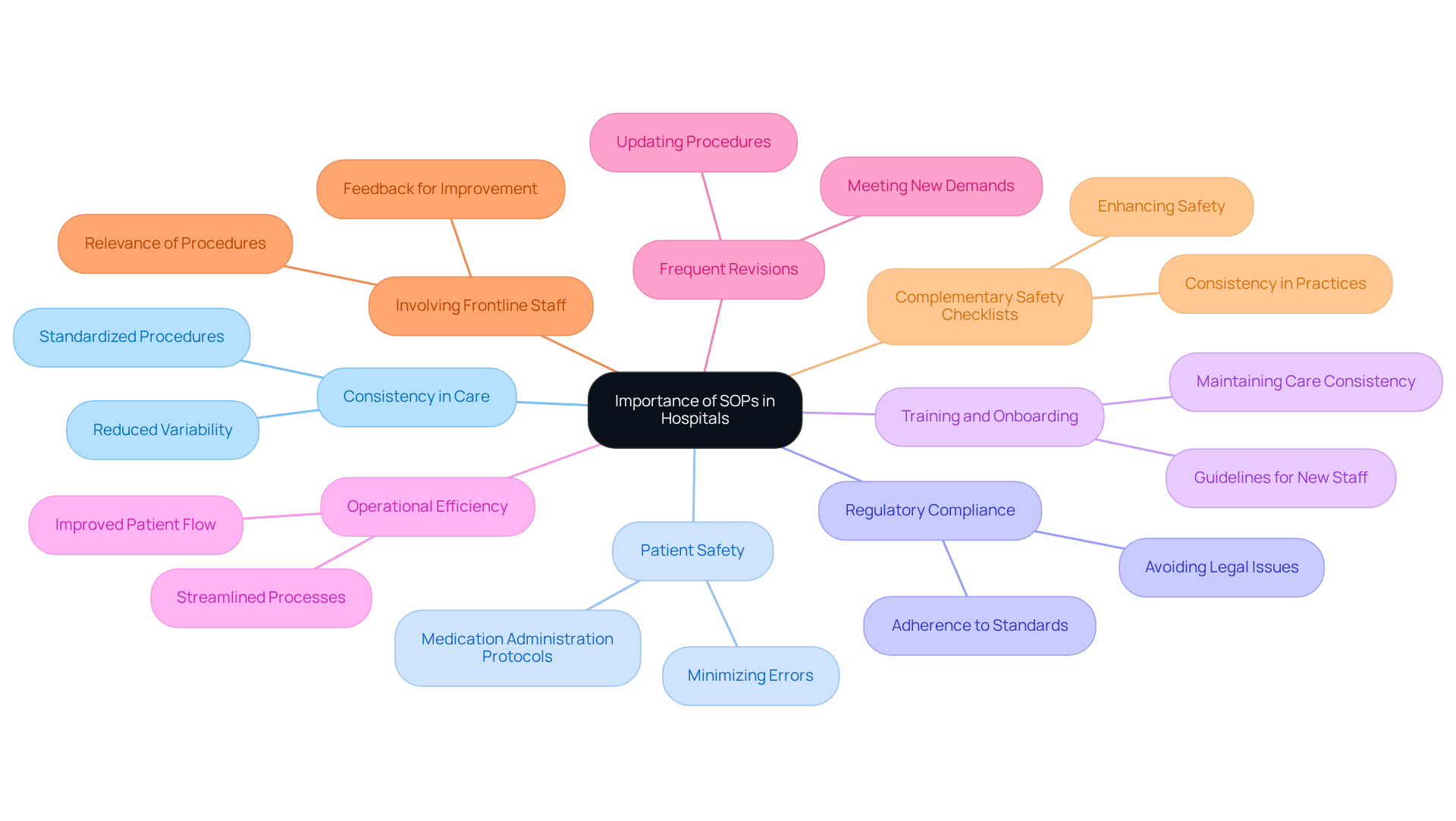
- Consistency in care is maintained through SOPs for hospitals, ensuring that everyone on the healthcare team is on the same page. This means less variability in patient care and a boost in service quality. Who doesn’t want that?
- Patient Safety: By clearly laying out procedures, the SOP for hospitals plays a crucial role in minimizing errors that could lead to negative outcomes for patients. For example, having solid medication administration protocols can cut down on medication errors, which are responsible for about 22% of hospital readmissions. Yikes!
- Regulatory Compliance: Hospitals have to follow a bunch of regulations and standards. An SOP for hospitals helps keep everything compliant, which is key to avoiding legal headaches and penalties.
- Training and Onboarding: New staff? No problem! SOPs for hospitals are fantastic training tools that provide clear guidelines on how to perform their jobs correctly, ensuring that patient care remains consistent, even during staff turnover.
- Operational Efficiency: When SOPs for hospitals are well-documented, they streamline processes, reduce training time, and enhance workflow efficiency. Hospitals that embrace comprehensive procedures often see better patient flow and shorter wait times, especially during those crazy busy hours.
- Frequent revisions are essential to keep the SOP for hospitals updated to meet new clinical and regulatory demands. This way, medical practices stay in line with the latest industry standards.
- Involving frontline staff is essential if you want to improve the SOP for hospitals maintenance. Get the frontline staff involved in creating and reviewing them! This makes the procedures more relevant and effective.
- Complementary Safety Checklists: Safety checklists are like the trusty sidekick to SOPs, enhancing safety and consistency in medical practices.
So, in a nutshell, SOPs aren’t just dry documents; they’re the backbone of high-quality care and operational excellence in healthcare settings. Let’s keep the conversation going about how we can make these procedures even better!
Follow a Step-by-Step Process to Develop SOPs
To develop effective SOP for hospitals, you might be wondering where to start. Here’s a friendly guide to help you through the process:
-
Identify Key Procedures: First things first, let’s pinpoint those activities that really need standardization. Focus on critical areas like patient admission, medication administration, and discharge protocols. This way, you’re prioritizing the most significant procedures right off the bat.
-
Collect Feedback from Stakeholders: Now, it’s time to involve the medical professionals who are in the trenches. Their insights are gold when it comes to creating SOPs that are not just practical but also relevant to daily operations. Did you know that involving stakeholders can boost the adoption rate of new procedures by 30%? Pretty impressive, right?
-
Draft the SOP: When you’re ready to write the SOP, keep it clear and concise. Make sure to include essential elements like the purpose, scope, and detailed step-by-step instructions. Using bullet points or numbered lists can really enhance clarity and make the document user-friendly. And hey, consider using SowFlow's templates to simplify this process and ensure it’s accessible for all your healthcare teams.
-
Review and Revise: Once you’ve got a draft, share it with your stakeholders for feedback. Their input is crucial for making sure the SOP is accurate and comprehensive. Regular evaluations are key here; SOPs should be refreshed promptly whenever processes change or new regulations come into play. SowFlow makes it easy to keep your documentation up to date.
-
Implement the Standard Operating Procedures: Now, let’s get everyone on board! Train your staff on the new protocols and emphasize why these procedures matter. Make sure the SOPs are easily accessible in a centralized location to facilitate compliance and reduce errors from outdated documents. SowFlow's documentation solutions can really help with knowledge sharing and onboarding.
-
Monitor and Update: Finally, don’t forget to conduct regular reviews of the procedures to keep them relevant and effective. Updates should reflect any changes in procedures or regulations, ensuring that your SOPs continue to support high-quality patient care and operational efficiency. SowFlow's immediate documentation solution can help optimize this workflow, keeping your SOPs current and aligned with best practices.
By following these steps and leveraging SowFlow's features, hospitals can create an SOP for hospitals that significantly enhances patient care and streamlines operations. This ultimately leads to better outcomes and happier patients!

Utilize Tools and Resources for Effective SOP Creation
To enhance the SOP creation process in healthcare settings, you might be wondering what tools and resources could really make a difference. Let’s dive into some options that can streamline your efforts:
-
SOP Management Software: Have you heard of platforms like SowFlow, Trainual, and Process Street? They’re fantastic for simplifying the creation, management, and distribution of standard operating procedures. SowFlow, in particular, is a game changer! It lets you whip up SOPs and training materials without the hassle of taking screenshots or leaving your browser. This means your team can focus more on what they do best, saving time and boosting productivity.
-
Document Templates: Now, let’s talk about templates. Standardized templates are key to keeping everything consistent across your SOPs. Think about including essential elements like title, purpose, scope, and detailed step-by-step instructions. These are crucial for clarity and compliance. Without proper documentation, productivity can take a hit, costing Fortune 500 companies around $12 billion each year. Yikes!
-
Visual Aids: Ever tried using flowcharts, diagrams, or checklists? They can really simplify complex procedures, making them easier to grasp and follow. Visual aids act as a sop for hospitals by boosting retention and comprehension, which is super important in high-stakes environments. As Joseph Williams puts it, "Using an active voice in instructional writing enhances clarity and accountability, which in turn increases the effectiveness of standard operating procedures."
-
Training Modules: What about interactive training software? Implementing these can get your staff actively engaging with SOPs. This not only improves understanding but also helps everyone stick to the established procedures, which is vital for keeping things running smoothly. Organizations that regularly review their SOPs often see improvements in quality control.
-
Feedback Mechanisms: Lastly, let’s not forget about feedback! Establishing a system to gather user input on your SOPs is crucial. It helps you spot areas for improvement and ensures that your procedures remain relevant and efficient, adapting to the ever-changing demands of medical operations. Continuous improvement in documentation practices can lead to better operational outcomes.
By leveraging these tools, especially SowFlow, hospitals can create effective procedures that serve as a sop for hospitals while also being user-friendly. This ultimately boosts operational efficiency and compliance. So, what do you think? Ready to explore these options further?

Troubleshoot Common Challenges in SOP Development
Creating sop for hospitals can be a bit tricky, right? You might be wondering what common issues pop up and how to tackle them effectively. Let’s break it down together:
-
Lack of Clarity: Ever tried to follow a procedure that just didn’t make sense? Unclear procedures can really throw a wrench in staff compliance. To clear things up, use straightforward language and cut down on the jargon. Bringing in an external reviewer can also give you fresh insights into how understandable your SOPs really are. Remember what W. Edwards Deming said: "Improve quality, you automatically improve productivity." Clear documentation is key!
-
Inconsistent Formatting: Variations in formatting can lead to confusion among staff. Establishing a standardized format for the SOP for hospitals is crucial. For instance, hospitals like [Example Hospital] have successfully implemented a uniform SOP template that all departments follow. Make sure everyone on your team is trained to stick to this format consistently.
-
Resistance to Change: It’s not uncommon for staff to resist new procedures. Involving them in the SOP development process can help them feel a sense of ownership and address any concerns they might have. Plus, highlighting that only 47.2% of healthcare workers are compliant with medical record documentation really underscores the need for their involvement.
-
Insufficient Training: Without proper training, adherence to standard operating procedures can suffer. Comprehensive training sessions, along with ongoing support, are essential to ensure that staff fully understand and follow the procedures. Regular feedback sessions can also reinforce what they’ve learned.
-
Failure to Update: SOPs can quickly become outdated, which can lead to compliance issues. Setting up a regular review schedule is vital to keep procedures current and relevant, ensuring they reflect the latest practices and regulations. Continuous improvement in SOPs is essential for maintaining high standards in patient care.
By tackling these challenges head-on, hospitals can significantly enhance the effectiveness of their SOP for hospitals development efforts. This, in turn, leads to better patient care and smoother operations. So, what do you think? Ready to dive into improving your SOPs?

Conclusion
Creating effective Standard Operating Procedures (SOPs) in hospitals isn’t just a task; it’s a vital part of delivering top-notch patient care and keeping things running smoothly. You might be wondering why SOPs matter so much. Well, they go beyond just being paperwork; they’re like a roadmap that boosts consistency, safety, and compliance in healthcare settings. By laying down clear guidelines, hospitals can cut down on mistakes, streamline their processes, and build a culture of accountability among staff.
Throughout this guide, we’ve shared some key insights about why SOPs are essential, how to develop them step-by-step, and the tools that can help in the process. From grasping the crucial role of SOPs in patient safety and meeting regulations to getting frontline staff involved in the development, every piece plays a part in a well-rounded approach to healthcare management. Plus, tackling common hurdles like clarity, resistance to change, and the need for regular updates keeps SOPs relevant and effective.
Now, let’s talk about the journey of creating solid SOPs. It’s an ongoing effort that needs commitment from everyone in the healthcare organization. By embracing these practices and using the resources at hand, hospitals can not only boost their operational efficiency but also enhance the overall patient experience. So, why wait? The time to focus on developing and maintaining effective SOPs is now-taking action today can lead to better outcomes for both healthcare providers and patients alike!
Frequently Asked Questions
What is the purpose of SOPs in hospitals?
SOPs, or Standard Operating Procedures, ensure consistency in patient care, minimize errors, maintain regulatory compliance, aid in training new staff, and enhance operational efficiency.
How do SOPs contribute to patient safety?
SOPs clearly outline procedures, which helps minimize errors that could negatively impact patients, such as medication administration protocols that can reduce medication errors responsible for a significant percentage of hospital readmissions.
Why are SOPs important for regulatory compliance in hospitals?
SOPs help hospitals adhere to various regulations and standards, which is crucial for avoiding legal issues and penalties.
How do SOPs assist in training and onboarding new staff?
SOPs provide clear guidelines for new staff on how to perform their jobs correctly, ensuring consistent patient care despite staff turnover.
What impact do SOPs have on operational efficiency in hospitals?
Well-documented SOPs streamline processes, reduce training time, and enhance workflow efficiency, leading to improved patient flow and shorter wait times.
Why is it important to frequently revise SOPs in hospitals?
Frequent revisions are necessary to keep SOPs updated with new clinical and regulatory demands, ensuring medical practices align with the latest industry standards.
How can frontline staff contribute to the improvement of SOPs?
Involving frontline staff in the creation and review of SOPs makes the procedures more relevant and effective, as they have firsthand experience with the processes.
What role do safety checklists play in relation to SOPs?
Safety checklists complement SOPs by enhancing safety and consistency in medical practices, acting as a supportive tool for ensuring adherence to procedures.
👍
What others are liking


5 Steps to outline your ideal documentation structure
5 MINS READ
Where to start the your journey of mapping out your ideal documentation structure, aligning it with the very heartbeat of your organization?
Defining a winning level of detail in your process
3 MINS READ
What is too much detail, and what is too little? This article described in that winning level detail about what detail is enough.


