


Key Highlights
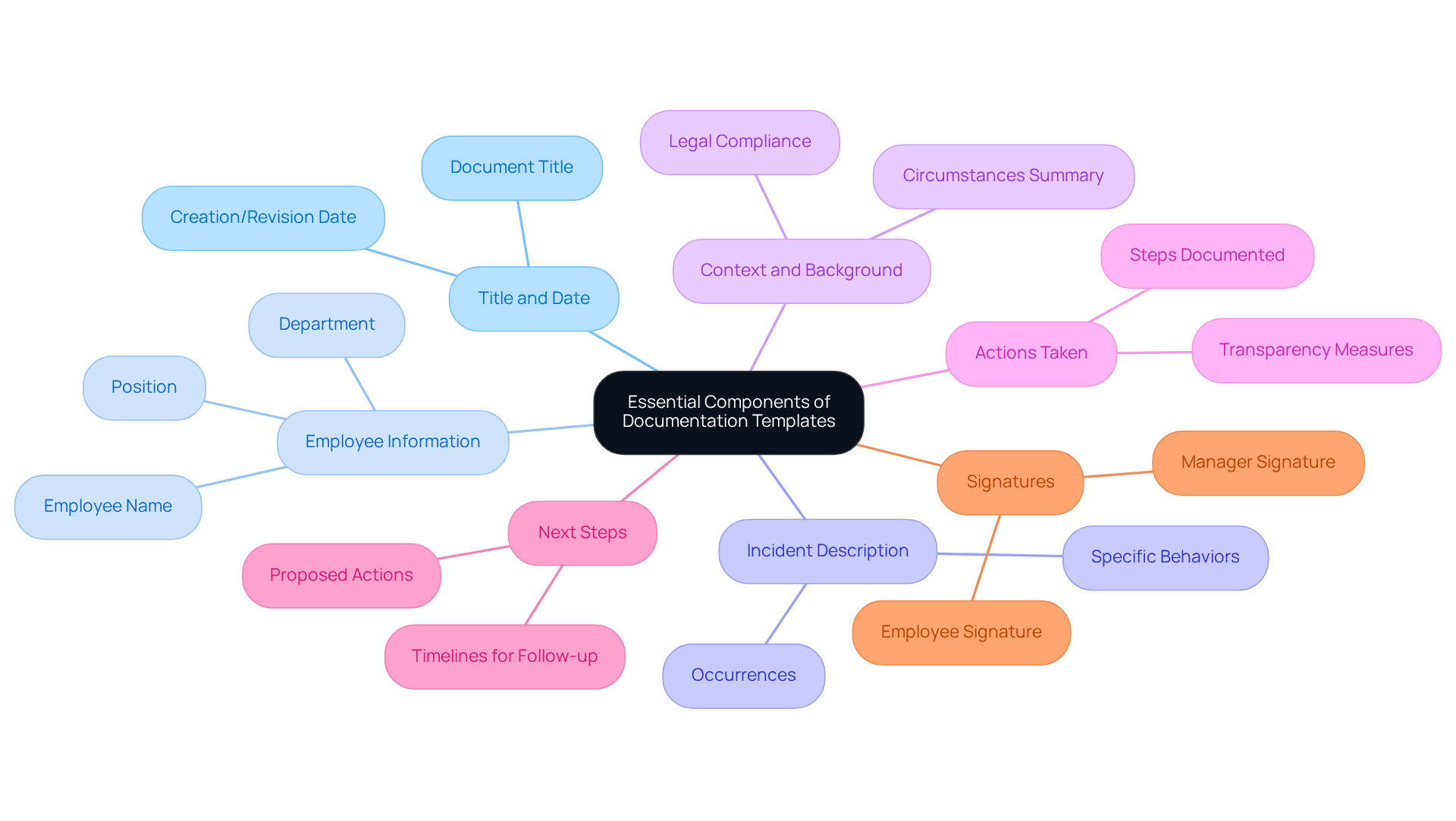
- Documentation templates should include a title, date, employee information, incident description, context, actions taken, next steps, and signatures.
- A documentation manual can standardise practises by outlining guidelines on language, tone, and structure.
- Regular training for managers and HR personnel promotes consistent record-keeping and accountability.
- Implementing a feedback system helps identify areas for improvement in documentation practises.
- Conducting regular audits ensures compliance with documentation standards and identifies discrepancies.
- Establishing a review schedule and assigning responsibilities enhances the accuracy and relevance of documentation.
- Incorporating employee feedback and tracking changes helps improve record-keeping methods.
- Scenario-based examples, role-playing, and case studies can effectively demonstrate how to apply documentation templates in real-world situations.
- Customization of templates allows managers to adapt frameworks to their specific needs while maintaining essential components.
- Utilising tools like SowFlow can streamline the creation and updating of documentation templates, improving efficiency.
Introduction
You might be wondering why having a structured approach to documenting employee issues is so important. Well, it’s all about creating a transparent and accountable workplace! By using effective templates, organizations can really streamline their record-keeping processes. This way, crucial details get captured consistently and accurately.
But here’s the kicker: with labor laws constantly evolving, how can companies make sure their documentation practices stay compliant and relevant? That’s a big question, right? In this article, we’ll dive into some best practices for using templates to document employee issues. We’ll explore essential components, standardization strategies, and real-world applications that not only boost efficiency but also improve employee relations. So, let’s get started!
Define Essential Components of Documentation Templates
Is creating a template for documenting employee issues effective? Let’s break it down! Here are some key components you’ll want to include:
-
Title and Date: First things first, make sure to clearly label your document with a title that reflects its purpose. Don’t forget to add the date of creation or revision - this helps keep everything organized!
-
Employee Information: You’ll want to include fields for the employee's name, position, and department. This ensures that your records are specific to the individual, making it easier to track issues.
-
Incident Description: Here’s where you detail the issue. Be sure to include specific behaviors or occurrences that prompted the record. Clear, concise language is key - after all, misunderstandings can lead to disputes, and we want to avoid that!
-
Context and Background: A brief summary of the circumstances surrounding the issue can really help. Remember, cases are often decided based on evidence rather than truth. Plus, with 15 states rolling out new labor laws by January 1st, 2026, it’s more important than ever to keep your documentation practices compliant.
-
Actions Taken: Document any steps already taken to address the issue. This could include conversations held, warnings issued, or support provided. Transparency here promotes accountability and can help prevent future disputes.
-
Next Steps: Outline what’s next! Include proposed actions moving forward, timelines for follow-up, and any additional assistance the individual may need. Clear next steps can really enhance staff relations and ensure compliance with company policies.
-
Signatures: Finally, don’t forget to provide areas for signatures from both the manager and the staff member. This confirms that the paperwork has been reviewed and discussed, reinforcing the importance of mutual understanding.
By incorporating these components, you can develop a template for documenting employee issues that ensures your records are thorough, clear, and actionable. This ultimately supports effective employee management and compliance with legal standards. And hey, if you’re looking for a way to streamline this process, consider utilizing SowFlow's features for seamless user guide development and immediate updates. It can really boost the efficiency of your templates, keeping your record-keeping methods relevant and effective!
Standardize Documentation Practices for Consistency
To achieve consistency in documentation practices, you might be wondering what strategies your organization can implement. Here are a few ideas to consider:
-
Create a Documentation Manual: Think about developing a comprehensive manual that outlines the standards and procedures for documenting staff issues. This manual should detail guidelines on language, tone, and structure to ensure clarity and uniformity. It’s like having a roadmap for everyone to follow!
-
How about implementing a template for documenting employee issues? This ensures that all necessary information is captured uniformly. By doing this, you reduce the risk of overlooking essential details and improve the overall quality of your records.
-
Training and Workshops: Regular training sessions for managers and HR personnel can really make a difference. Emphasizing the significance of consistent record-keeping and effective use of templates promotes a culture of responsibility and enhances record-keeping methods throughout the organization. Plus, it’s a great way to keep everyone on the same page!
-
Feedback System: Have you considered creating a method for gathering input on record-keeping from staff and supervisors? This feedback loop can help identify areas for improvement and ensure that the templates effectively meet user needs. It’s all about making things work better for everyone!
-
Regular Audits: Conducting periodic assessments of record-keeping practices is essential. It helps ensure compliance with established standards and identifies discrepancies. Regular reviews reinforce the importance of maintaining accurate records.
Now, let’s talk about the consequences of insufficient records. They can lead to significant issues, like regulatory penalties and operational disruptions. In fact, did you know that "60% of compliance failures can be traced back to inadequate or flawed records?" By standardizing record-keeping methods, your organization can utilize a template for documenting employee issues, which will improve the dependability of its files and ensure that all employee concerns are noted equitably and consistently. This not only supports compliance but also fosters a transparent and accountable workplace. As experts say, "Documentation is more than just a bureaucratic requirement - it’s a vital tool for ensuring transparency, accountability, and consistency in business operations." So, what do you think? Ready to dive into improving your documentation practices?

Implement Regular Reviews and Updates for Relevance
To keep your documentation fresh and accurate, it’s essential to adopt some best practices for regular reviews and updates. You might be wondering where to start, so let’s break it down:
- Establish a Review Schedule: First off, set up a consistent schedule for reviewing your materials. Think quarterly or bi-annually - this way, you can ensure that all your templates and records are up to date.
- Assign Responsibility: Next, it’s a good idea to designate specific individuals or teams to take charge of the review and update process. When people know they’re responsible, it creates a culture of diligence and helps ensure updates get done on time.
- Incorporate Feedback: Don’t forget to actively seek input from your employees and managers! This feedback can highlight gaps or ambiguities in your current records, making everything clearer and more user-friendly. As Stuart Rudner puts it, "Documentation is critical... cases will be decided based upon the evidence, and not necessarily the truth."
- Track Changes: Keeping a detailed record of changes made to your documents is crucial. This not only helps you understand how your record-keeping methods have evolved but also serves as a handy reference during evaluations.
- Share Updates: Finally, make sure everyone on your team is quickly informed about any changes to guidelines or templates. You can do this through meetings, emails, or even internal newsletters - whatever works best for your crew.
By embracing these regular evaluation and revision methods, you can really boost the relevance and efficiency of your records in addressing staff concerns. Did you know that 51% of workers aged 18-34 would think about leaving their job due to poor record management? That’s a big deal! It really highlights how important effective record-keeping is for keeping your staff happy. Plus, 83% of employees end up recreating files that already exist in their company’s system, which just shows how much inefficiency can stem from inadequate practices. So, let’s get those records in shape!

Apply Templates Effectively in Real-World Scenarios
To effectively implement documentation templates in real-world scenarios, let’s explore some strategies that can really make a difference:
-
Scenario-Based Examples: You might be wondering how to apply these frameworks in your day-to-day. Well, think about specific instances like performance evaluations or staff feedback sessions. For example, a performance issue record could include sections for the employee's self-evaluation alongside the supervisor's remarks. This way, you get a well-rounded view of the situation.
-
Role-Playing Activities: Have you ever thought about how role-playing could help? Involve managers in activities that mimic real-life situations. This hands-on approach not only boosts their confidence but also makes the record-keeping process feel more intuitive when it really counts.
-
Case Studies: Let’s dive into some real-world examples! Present case studies from organizations that have nailed record-keeping formats to tackle employee issues. Highlight the bumps they faced and the solutions they found through structured documentation. It’s all about showcasing the tangible benefits of this approach.
-
Customization Options: Now, here’s a thought: what if managers could tweak frameworks to fit their specific needs? Encouraging them to adjust while keeping the essential components intact can really enhance usability. This flexibility ensures that the models stay relevant to their unique context.
-
Continuous Improvement: After using these frameworks, it’s crucial to gather feedback. You know, that iterative process helps identify areas for enhancement. It’s all about fostering continuous improvement, allowing models to adapt to the ever-evolving needs of the organization.
By leveraging SowFlow's straightforward creation experience for user guides, organizations can enhance their template for documenting employee issues. Imagine having instant access to a template for documenting employee issues that enables easy updates and revisions, keeping documentation fresh in a fast-paced business environment. SowFlow empowers teams to tackle employee issues quickly and efficiently!

Conclusion
You might be wondering why creating an effective template for documenting employee issues is so important. Well, it’s not just a best practice; it’s a key strategy for building a transparent and accountable workplace. By taking a structured approach to documentation, organizations can make sure that all employee concerns are recorded accurately and consistently. This ultimately leads to better management and compliance with legal standards.
Let’s talk about some essential components that make documentation thorough:
- Clear incident descriptions
- Context
- Actions taken
- Next steps
Plus, standardizing practices through training, feedback systems, and regular audits can really enhance the quality of those records. And don’t forget the importance of keeping things relevant with periodic reviews and updates! This directly impacts employee satisfaction and operational efficiency.
So, what’s the takeaway? Adopting these best practices for documenting employee issues not only helps reduce risks associated with poor record-keeping but also strengthens the foundation of organizational integrity. Embracing a culture of meticulous documentation empowers teams to tackle employee concerns effectively and fosters a harmonious work environment. It’s time to prioritize these practices and take actionable steps toward improving documentation methods, ensuring they benefit both the organization and its employees.
Frequently Asked Questions
What are the essential components of documentation templates for employee issues?
The essential components include a title and date, employee information, incident description, context and background, actions taken, next steps, and signatures.
Why is it important to include a title and date in the documentation template?
Including a title helps to clearly label the document's purpose, while the date of creation or revision aids in keeping records organized.
What employee information should be included in the template?
The template should include fields for the employee's name, position, and department to ensure records are specific to the individual.
What should be detailed in the incident description?
The incident description should detail specific behaviors or occurrences that prompted the record, using clear and concise language to avoid misunderstandings.
Why is context and background important in the documentation?
A brief summary of the circumstances surrounding the issue helps provide clarity, as cases are often decided based on evidence rather than truth, and it supports compliance with new labor laws.
What types of actions should be documented in the template?
Document any steps taken to address the issue, such as conversations held, warnings issued, or support provided, to promote accountability and prevent future disputes.
What should be included in the next steps section of the template?
The next steps should outline proposed actions moving forward, timelines for follow-up, and any additional assistance the individual may need.
Why are signatures required in the documentation template?
Signatures from both the manager and the staff member confirm that the paperwork has been reviewed and discussed, reinforcing mutual understanding.
How can using a template support effective employee management?
Incorporating these components ensures thorough, clear, and actionable records, which ultimately supports effective employee management and compliance with legal standards.
What is a suggested tool to streamline the documentation process?
Utilizing SowFlow's features can help streamline the process for seamless user guide development and immediate updates, enhancing the efficiency of your templates.
👍
What others are liking


5 Steps to outline your ideal documentation structure
5 MINS READ
Where to start the your journey of mapping out your ideal documentation structure, aligning it with the very heartbeat of your organization?
Defining a winning level of detail in your process
3 MINS READ
What is too much detail, and what is too little? This article described in that winning level detail about what detail is enough.


