


Key Highlights
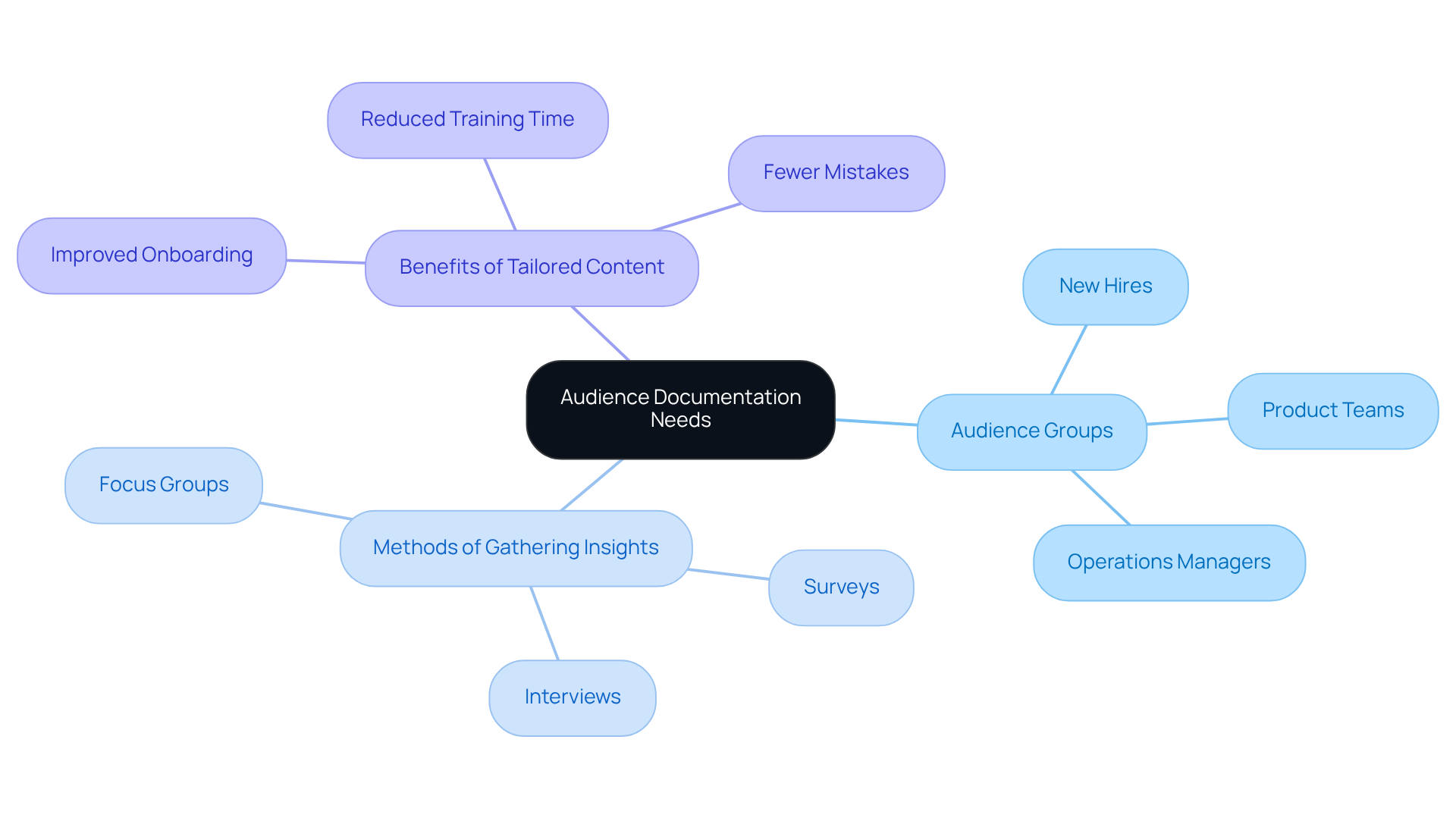
- Understanding audience needs is crucial for effective documentation; insights can be gathered through surveys and interviews.
- Developing audience personas helps tailor content to different user groups, improving onboarding and reducing training time and errors.
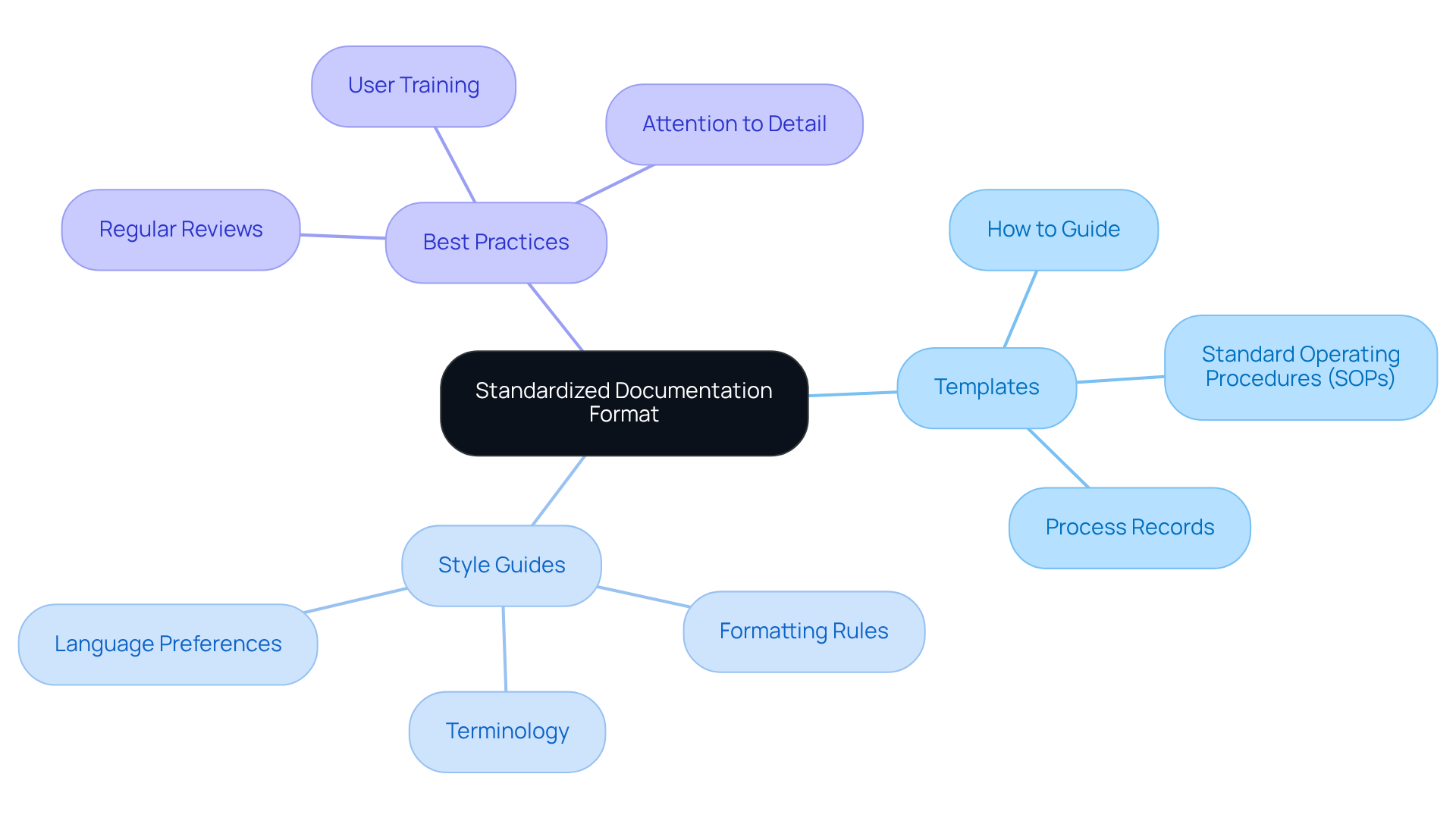
- Standardised documentation formats enhance clarity and consistency; templates for various materials are recommended.
- Style guides should outline language preferences and formatting rules to ensure a unified approach to documentation.
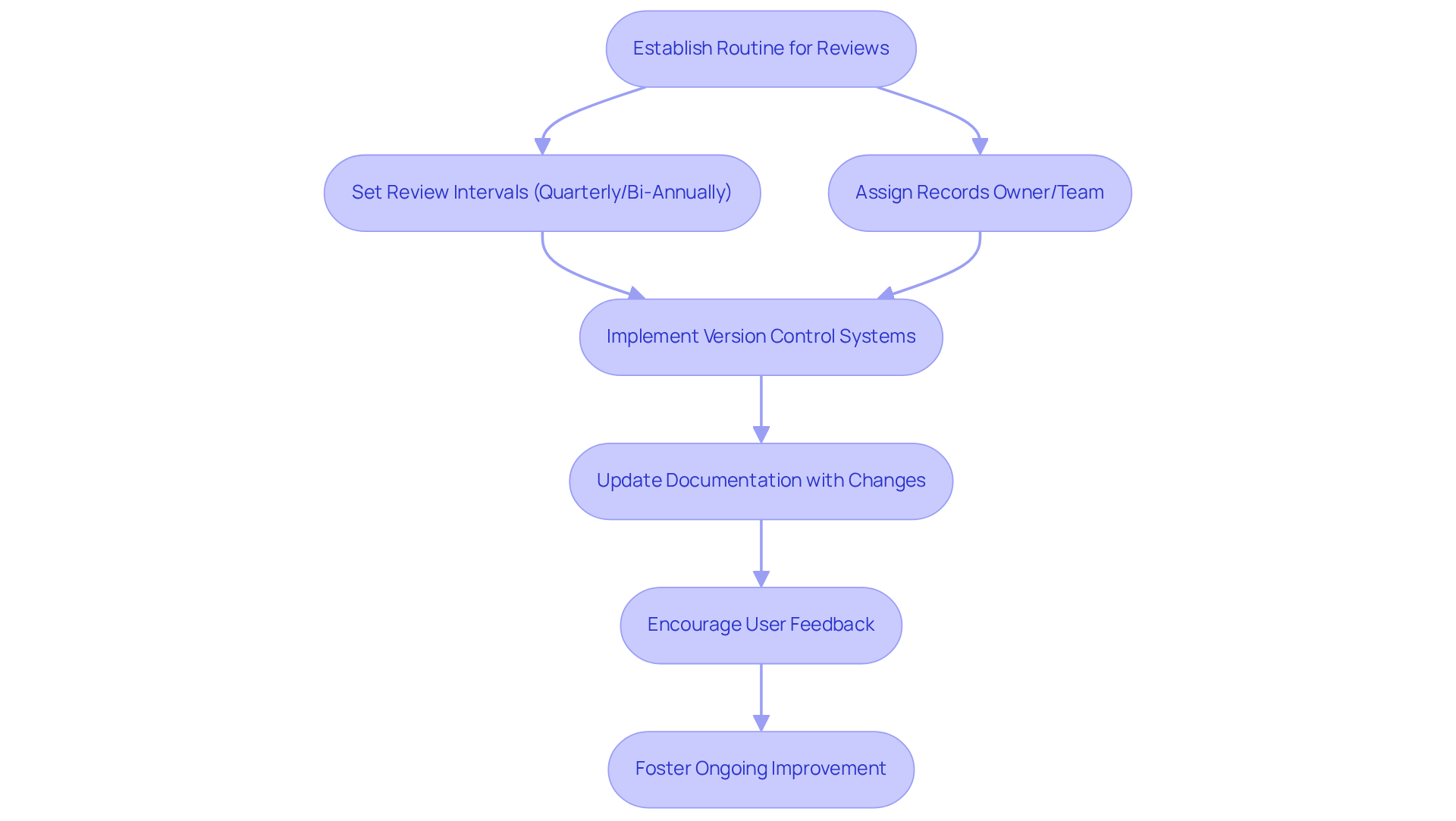
- Regular updates and maintenance of documentation are essential, with suggested review intervals and assignment of a records owner.
- Version control systems are important for managing revisions and keeping documentation accurate.
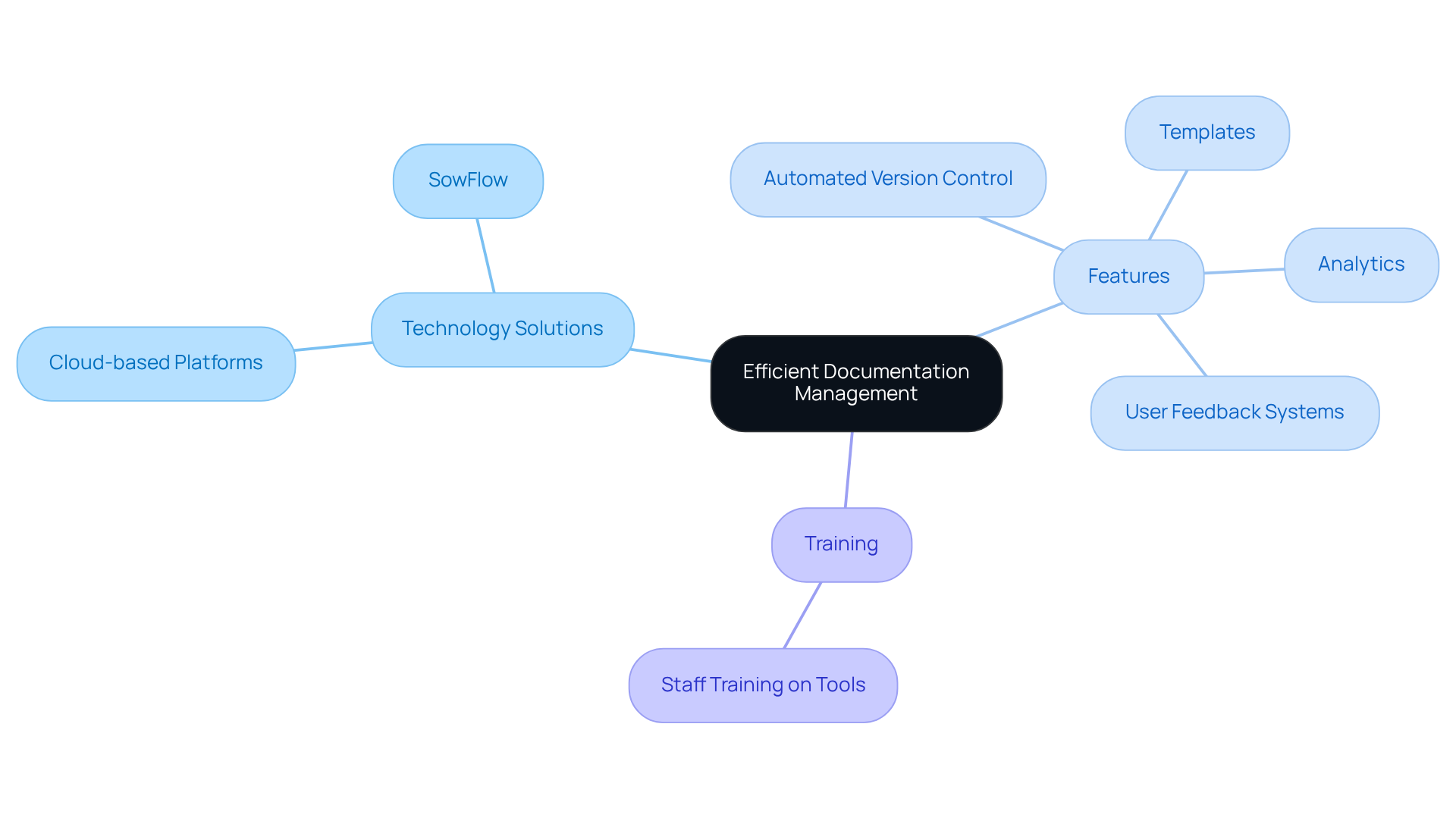
- Technology solutions, like cloud-based platforms, facilitate real-time collaboration and efficient record management.
- Automated version control and user feedback systems can significantly improve the quality of documentation.
Introduction
You might be wondering why effective documentation practices are so crucial for any successful operation. Well, they really are the backbone of it all! Yet, many organizations find themselves struggling to implement these practices effectively. So, what’s the deal? This article dives into some essential strategies for creating impactful documentation that not only meets the diverse needs of various stakeholders but also boosts overall efficiency.
Now, let’s think about the challenges companies face in keeping clear, consistent, and relevant records. It’s not always easy, right? But here’s the good news: technology can be a game-changer in overcoming these obstacles. So, stick around as we explore how to leverage tech to make your documentation practices not just effective, but truly impactful!
Identify Your Audience's Documentation Needs
To create , you might be looking for a to help you know where to start. Well, it all begins with a good look at your audience. Think about the different groups that will interact with your materials - like new hires, product teams, and . You can gather insights into their specific needs, preferences, and challenges through surveys, interviews, or focus groups. For example, when documenting a software tool, consider the technical skills of your audience. This way, you can tailor the content to their understanding, making it more accessible and useful.
Now, developing is a fantastic way to represent various segments of your market. This approach can really influence the tone, complexity, and structure of your materials. Plus, it simplifies record-keeping and aligns with findings that show . By honing in on the unique needs of each group, organizations can significantly improve onboarding experiences. This is especially true in tech firms, where effective records can lead to a and a .
Speaking of improving processes, SowFlow is here to help teams by providing an easy way to create . It allows for quick updates and revisions, keeping your content relevant in a fast-paced business world. This feature helps avoid those endless meetings where teams are just looking for answers, boosting standardization and enhancing knowledge sharing. Ultimately, for understanding your audience's information needs is key to building a culture of collaboration and efficiency in your organization.
Establish a Standardized Documentation Format
You might be wondering how to keep your records clear and consistent. Well, creating a is key! Consider creating , including a , , and process records. With SowFlow, you can whip up a in no time, and the best part? You can update them instantly to keep everything fresh in our ever-changing business world. Make sure to define key elements like headings, subheadings, bullet points, and visual aids. For example, using a uniform font and color scheme across all your documents can really boost readability and enhance the .
Now, let’s talk about . Developing a thorough one is essential! It should lay out language preferences, terminology, and formatting rules, making it super easy for all team members to access. This way, everyone’s on the same page, promoting a unified approach to . And don’t forget, regular reviews and updates of these templates are a must to keep up with any changes in your organization’s processes or branding. This keeps everything relevant and effective.
Applying these best practices can act as a how to guide that not only makes a breeze but also helps operations managers maintain consistency. This can really ramp up productivity and cut down on the time spent managing documents. Plus, did you know that 90 percent of firms struggling with digital transformation face integration challenges? That’s why is so crucial! SowFlow’s solutions can help tackle these issues by cutting down on unnecessary meetings and ensuring your records are always up-to-date. And here’s a stat for you: 11 percent of small and midsize enterprises don’t even have a system for managing files! So, implementing s is even more important.
As specialists say, 'the effort put into making a document well formatted concretely expresses that you care.' This really highlights the importance of in your written materials. And let’s not overlook common pitfalls, like not providing enough user training, which can really enhance the effectiveness of your information strategies.
Implement Regular Updates and Maintenance for Documentation
You might be wondering how to keep your records accurate and relevant using a . Well, creating a to review and update them is key! Think about setting specific intervals for these reviews - quarterly or bi-annually - depending on what you’re working with. It’s also a good idea to assign a records owner or a dedicated team to .
Now, let’s dive into version control systems. They’re crucial for managing revisions and . For instance, if a procedure changes because of new software, make sure all related documentation gets updated quickly to reflect that. And don’t forget to actively encourage feedback from users! Many employees struggle to find the information they need to do their jobs, and their insights can help pinpoint areas that need clarification or improvement.
Speaking of that, without a solid , a lot of important documents can get lost. That’s why are so important! This approach serves as a that not only but also within your teams. So, why not start thinking about how you can make your documentation process smoother?
Leverage Technology for Efficient Documentation Management
You might be wondering how to make a breeze with a . Well, adopting technology solutions can really help! Think about using that let you collaborate in real-time and access your files from anywhere. Tools like SowFlow can simplify your , allowing you to create and manage files right from your browser.
Now, let’s dive into some features that can make a big difference.
- is a game-changer - it keeps track of changes and ensures you’re always working with the latest info.
- Plus, it’s worth checking out software that offers to boost the quality and usability of your materials.
And don’t forget about ! It’s crucial for maximizing their effectiveness and making sure everyone feels confident contributing to the . So, what do you think? Are you ready to explore these solutions and tackle your using a ?
Conclusion
You know, effective documentation practices really are the backbone of smooth operations in any organization. By tuning into your audience, setting up standardized formats, keeping things updated, and using technology, you can create documentation that’s not just helpful but essential for success.
You might be wondering why it’s so important to identify the specific needs of different audience segments, like new hires or product teams. Well, understanding these needs allows you to tailor your documentation, making onboarding a breeze and cutting down on mistakes. Plus, when you establish standardized formats and style guides, you ensure that everything is consistent and clear. And let’s not forget about regular updates - keeping your content fresh and accurate is key! Using technology, especially cloud-based solutions, can really streamline the documentation process, making it easier to manage and collaborate on those vital records.
Ultimately, embracing these effective documentation practices can create a culture of collaboration and efficiency in your organization. By focusing on what your audience needs and leveraging the right tools, your teams can boost their operational effectiveness significantly. So, why not take a moment to review your documentation practices? Implementing these strategies can unlock your full potential and empower your employees to find the information they need, driving success in their roles. It’s time to take action!
Frequently Asked Questions
Why is it important to identify my audience's documentation needs?
Identifying your audience's documentation needs is crucial because it allows you to tailor content to their specific preferences, challenges, and understanding, making it more accessible and useful.
How can I gather insights into my audience's needs?
You can gather insights through surveys, interviews, or focus groups to understand the specific needs and preferences of different groups that will interact with your materials.
What are audience personas and how do they help?
Audience personas are representations of various segments of your market that help influence the tone, complexity, and structure of your materials, simplifying record-keeping and aligning with user-centered record strategies.
What impact can effective documentation have on onboarding experiences?
Effective documentation can significantly improve onboarding experiences, particularly in tech firms, leading to a 30% reduction in training time and a 50% decrease in mistakes during onboarding.
What is SowFlow and how does it assist teams?
SowFlow is a tool that helps teams create user guides efficiently, allowing for quick updates and revisions to keep content relevant, which boosts standardization and enhances knowledge sharing.
What is the ultimate goal of creating a how-to guide for understanding audience information needs?
The ultimate goal is to build a culture of collaboration and efficiency within your organization by effectively addressing and meeting your audience's information needs.
👍
What others are liking


5 Steps to outline your ideal documentation structure
5 MINS READ
Where to start the your journey of mapping out your ideal documentation structure, aligning it with the very heartbeat of your organization?
Defining a winning level of detail in your process
3 MINS READ
What is too much detail, and what is too little? This article described in that winning level detail about what detail is enough.


