

Remote Team Documentation Strategies
|
April 29, 2026
|

5 Steps to Document Employee Performance Issues Effectively
Key Highlights
- Clearly define performance standards that align with organisational goals, detailing job responsibilities and expected outcomes.
- Communicate expectations effectively during onboarding and regular meetings to enhance understanding and motivation.
- Create accessible written documentation for performance expectations to support evaluations and discussions.
- Regularly review and update performance expectations to reflect changes in organisational goals or staff roles.
- Use standardised templates for performance documentation to ensure consistency and clarity.
- Record performance issues in real-time to maintain accurate and useful documentation.
- Include specific examples in performance discussions to clarify issues and facilitate constructive conversations.
- Ensure performance documentation is centrally located for easy access by HR and management.
- Define a regular evaluation schedule to foster a culture of continuous feedback and improve engagement.
- Establish clear goals for evaluations to enhance focus and efficiency in the assessment process.
- Encourage self-assessments to promote reflection and deeper discussions during evaluations.
- Provide specific, actionable feedback during reviews to highlight strengths and areas for improvement.
- Develop training modules for supervisors focused on effective evaluation skills and documentation practises.
- Incorporate role-playing exercises in training to build confidence and competence in conducting evaluations.
- Equip supervisors with practical resources like checklists for conducting evaluations effectively.
- Foster a culture of continuous learning by encouraging supervisors to seek feedback on their evaluation methods.
- Address performance issues promptly by regularly checking in with employees and using clear communication.
- Collaborate with employees to create action plans for improvement, setting measurable goals and timelines.
- Schedule follow-up meetings to review progress on action plans, demonstrating investment in employee growth.
Introduction
Setting the stage for effective employee performance management is super important in today’s competitive workplace, don’t you think? Organizations that focus on clear documentation and structured processes not only boost accountability but also create a culture of continuous improvement. But here’s the kicker: many leaders struggle with how to systematically tackle and document performance issues. So, what are the best practices to make sure that performance management is both fair and effective?
This guide is here to help you navigate the complexities of documenting employee performance issues. We want to empower organizations like yours to cultivate a more engaged and productive workforce. Let’s dive in!
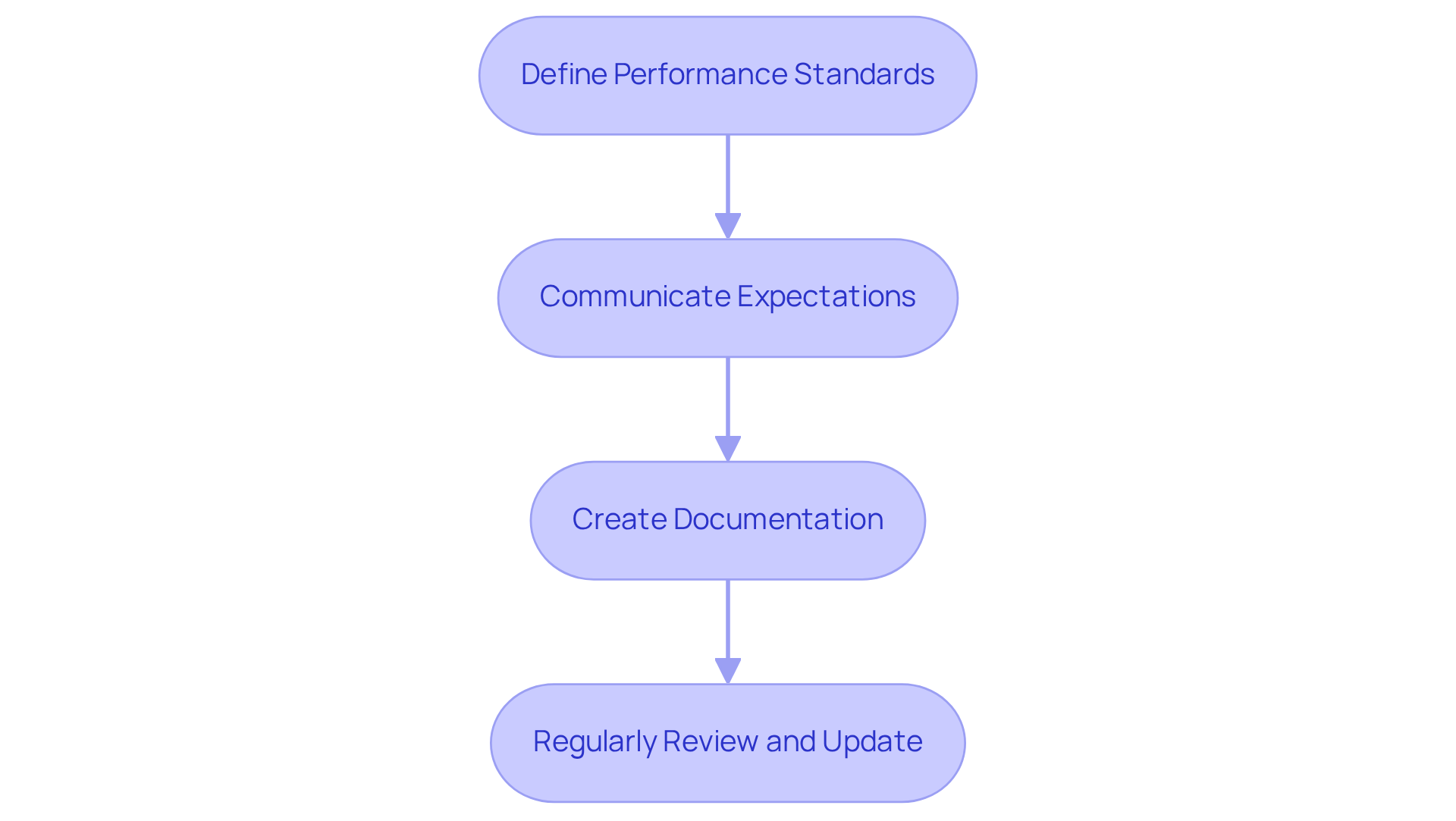
Establish Clear Expectations for Performance
- Define : You might be wondering how to kick things off. Start by clearly outlining specific that align with your organizational goals. This means detailing job responsibilities, expected outcomes, and behavioral expectations. Using specific language is key here-after all, 65% of staff want more clearly defined objectives and responsibilities. Who wouldn’t?
- Communicate Expectations: Now, let’s dive into sharing these expectations with your team. Make sure to cover them during onboarding and regular meetings. It’s super important that everyone understands not just what’s expected, but why these standards matter for their role and the organization as a whole. Did you know that folks engaged in goal setting are 3.6 times more likely to feel motivated? That really highlights the power of !
- Next up, create a written document for that outlines these expectations and share it with your employees. This document regarding should be easy to access and referenced during evaluations or discussions about effectiveness. Companies that prioritize see a whopping 25% . Talk about the value of structured communication!
- : Finally, remember that shouldn’t be set in stone. them to reflect any changes in organizational goals or staff roles. This way, everyone stays in the loop about what’s expected of them. Organizations that have ongoing feedback systems report a 40% increase in workforce engagement. That’s a win-win!
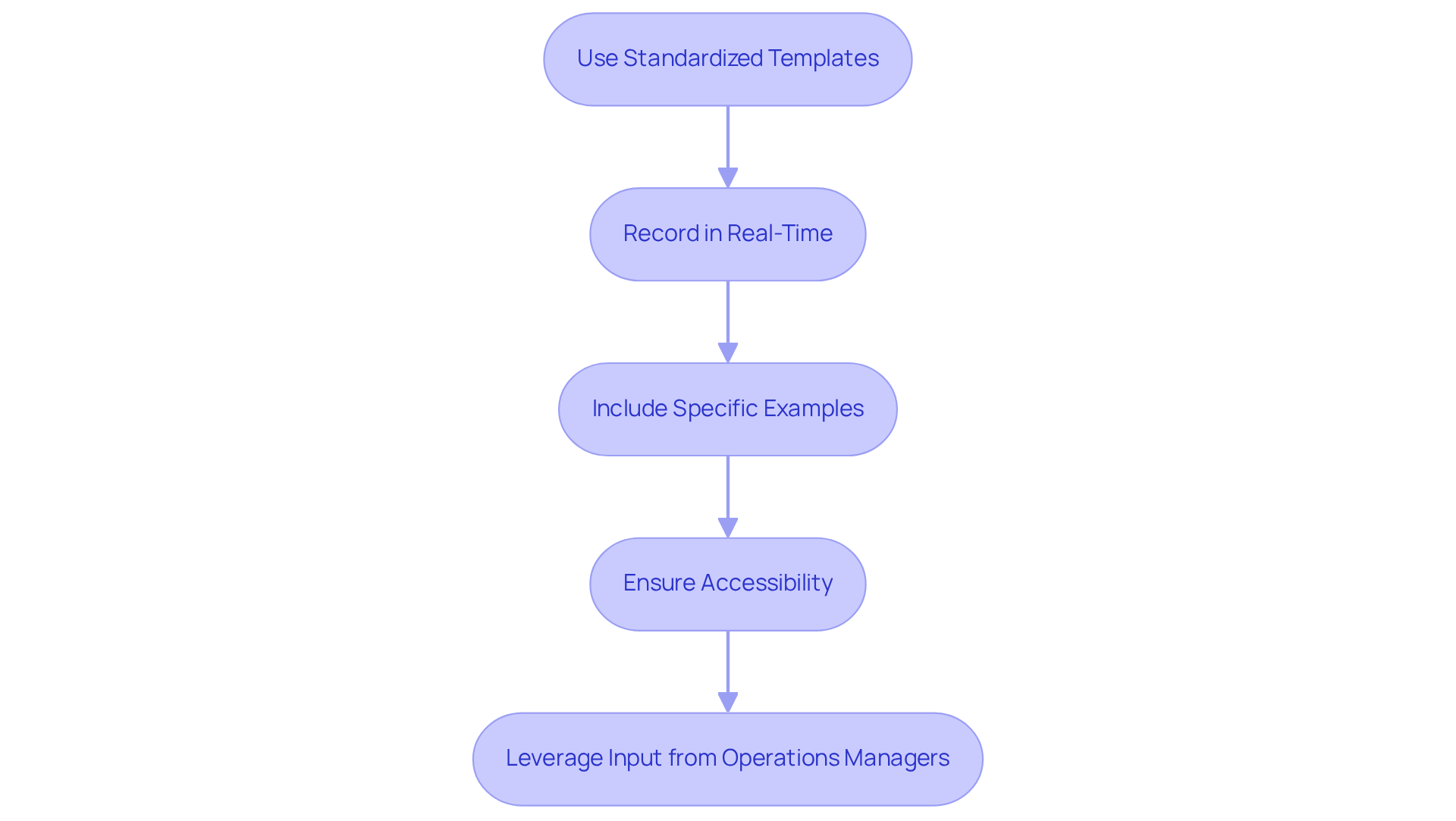
Maintain Consistent and Detailed Documentation
- Use standardized templates for : you might be wondering why these templates are so important. Well, they help ensure that all the necessary information is consistently recorded across different employees and situations. This not only but also reduces any confusion regarding . With SowFlow, creating and customizing these templates is a breeze, making your both efficient and effective.
- Record in Real-Time: Have you ever put off noting down issues until a scheduled evaluation? It’s easy to do, but it’s not the best approach. Recording issues as they happen in the gives you a clearer picture of the context and details, making your records way more useful. With SowFlow, your team can document issues on the spot, and boosting your overall workflow.
- Include Specific Examples: When you’re discussing effectiveness issues, it’s super helpful to include that highlight the problem. This not only clarifies but also sets the stage for future discussions, making them more constructive. With SowFlow, updating and revising records is simple, so you can keep everything relevant and in line with ongoing performance talks.
- Ensure Accessibility: Ever tried to find important documents only to realize they’re scattered everywhere? That’s why it’s crucial to store in a that’s easy for everyone, including HR and management, to access. This promotes transparency and ensures that all stakeholders can review the records whenever needed, fostering a culture of accountability and continuous improvement. With SowFlow, your records are always up-to-date and readily available for those who need them.
- Leverage Input from Operations Managers: Operations managers have found that using really streamlines the process and enhances communication. Their insights highlight how organized records can tackle efficiency issues quickly and effectively. By taking advantage of SowFlow’s , operations managers can revamp their documentation processes, leading to better outcomes.
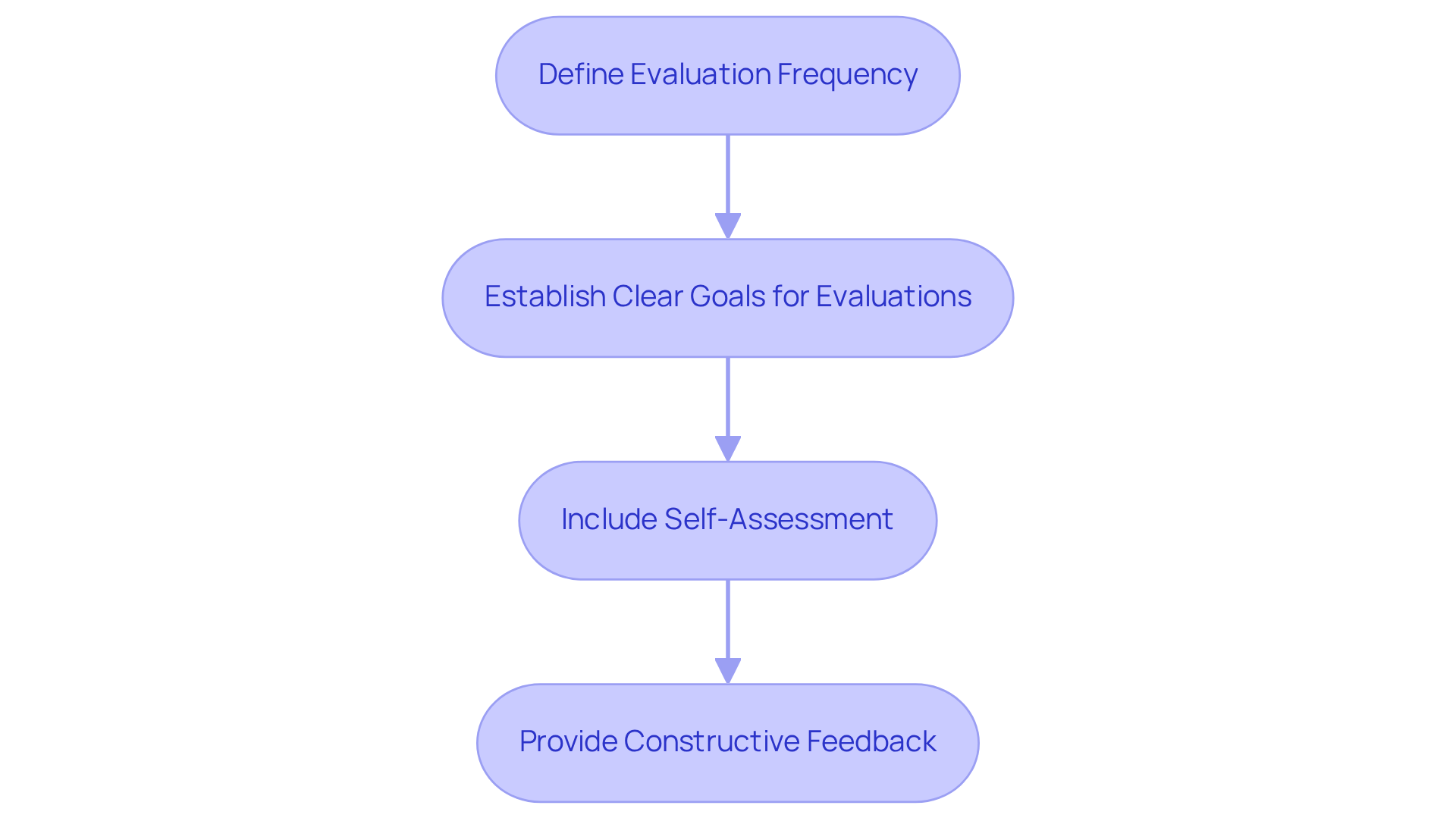
Implement a Structured Performance Review Process
- : So, how often should you check in on assessments? Setting a regular timetable - like quarterly or bi-annually - can really make a difference. It not only helps your team prepare but also builds a culture of continuous feedback. And guess what? Studies show that see a 14.9% drop in turnover rates! Plus, those using regular feedback systems enjoy a 26% boost in results. That just goes to show how important it is to have .
- : You might be wondering, what should each assessment focus on? Well, having clear objectives is key! Think about assessing achievements against expectations, discussing , and setting future goals. Experts agree that when goals are clear, evaluations become way more efficient. It ensures that both supervisors and staff are on the same page about what’s expected. As HR specialists say, "."
- : Have you thought about encouraging your team to do self-assessments before their evaluations? This little practice can spark self-reflection and gives staff a chance to share their views on their performance. When employees are involved like this, it often leads to deeper conversations during the evaluation process.
- : Now, let’s talk about feedback. During the review, it’s super important to give specific, actionable feedback that highlights both strengths and areas for improvement. Remember, it’s a two-way street! Allow your team to share their thoughts and concerns. This approach not only creates a supportive environment but also boosts engagement. Studies show that organizations with .
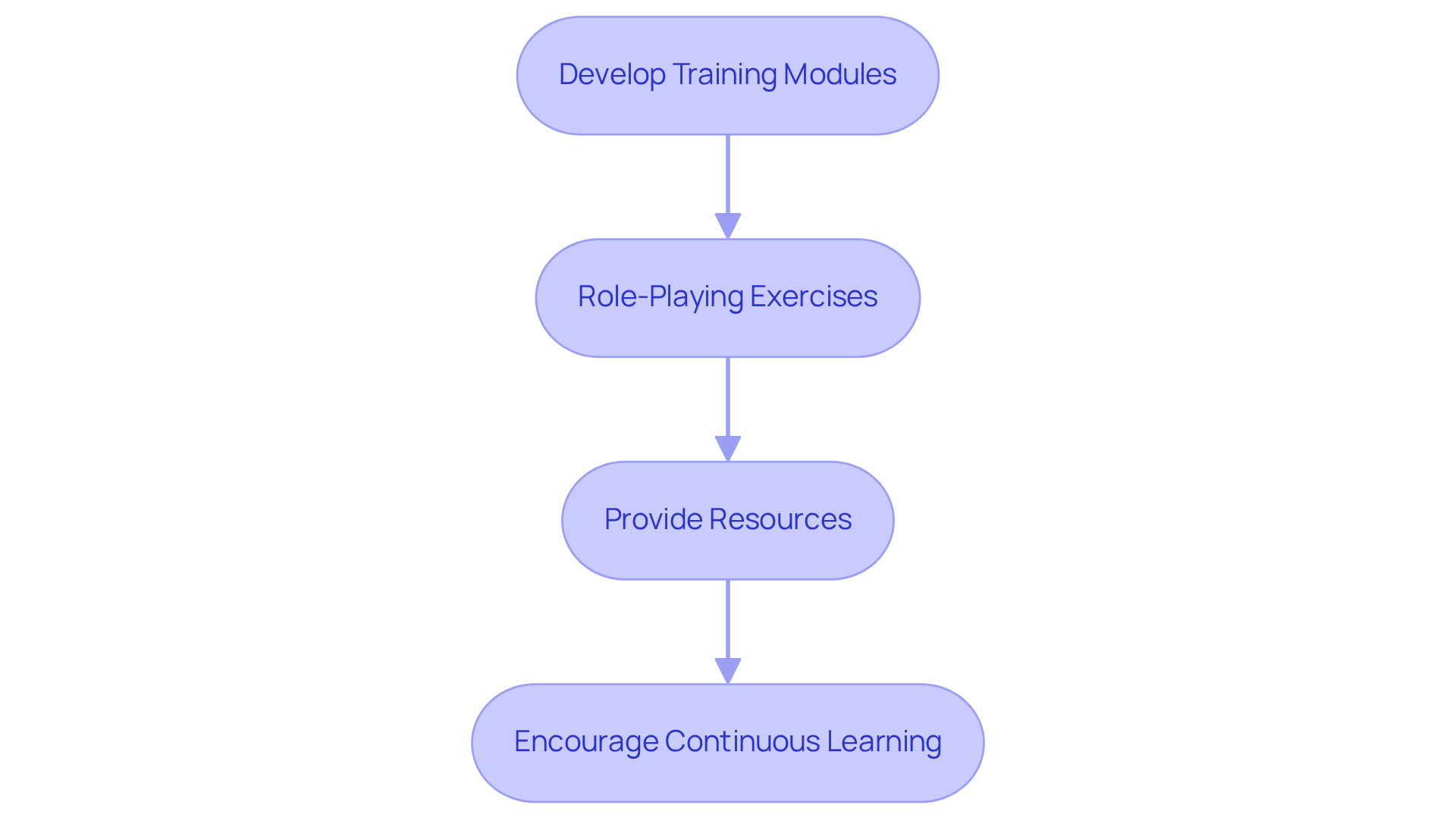
Train Supervisors to Conduct Effective Evaluations
- : You might be wondering how to create effective training modules. Well, it’s all about covering the essentials! Focus on providing constructive feedback, managing those tough conversations, and utilizing to set clear achievement goals. Did you know that ? That’s why it’s crucial to equip supervisors with the skills they need for effective .
- : Now, let’s dive into ! Integrating these into your training sessions allows supervisors to practice their evaluation skills in a safe space. This not only builds their confidence but also boosts their competence when facing real-life evaluation scenarios. As Gallup puts it, "the answer? 'Focus on enabling results, not managing it.'" This really highlights the importance of practical training.
- Provide Resources: Speaking of resources, it’s essential to equip supervisors with practical tools like checklists and guides that outline . These handy resources assist supervisors in efficiently and reliably carrying out . Plus, they’re ready to deliver the crucial feedback that can really impact staff retention. After all, did you know that ?
- : Finally, let’s talk about fostering a culture of . Encourage supervisors to seek feedback on their evaluation methods and engage in ongoing training opportunities. This commitment to learning not only promotes better evaluation practices but also enhances overall management. So, what are you waiting for? Let’s get started!
Address Performance Issues Promptly and Fairly
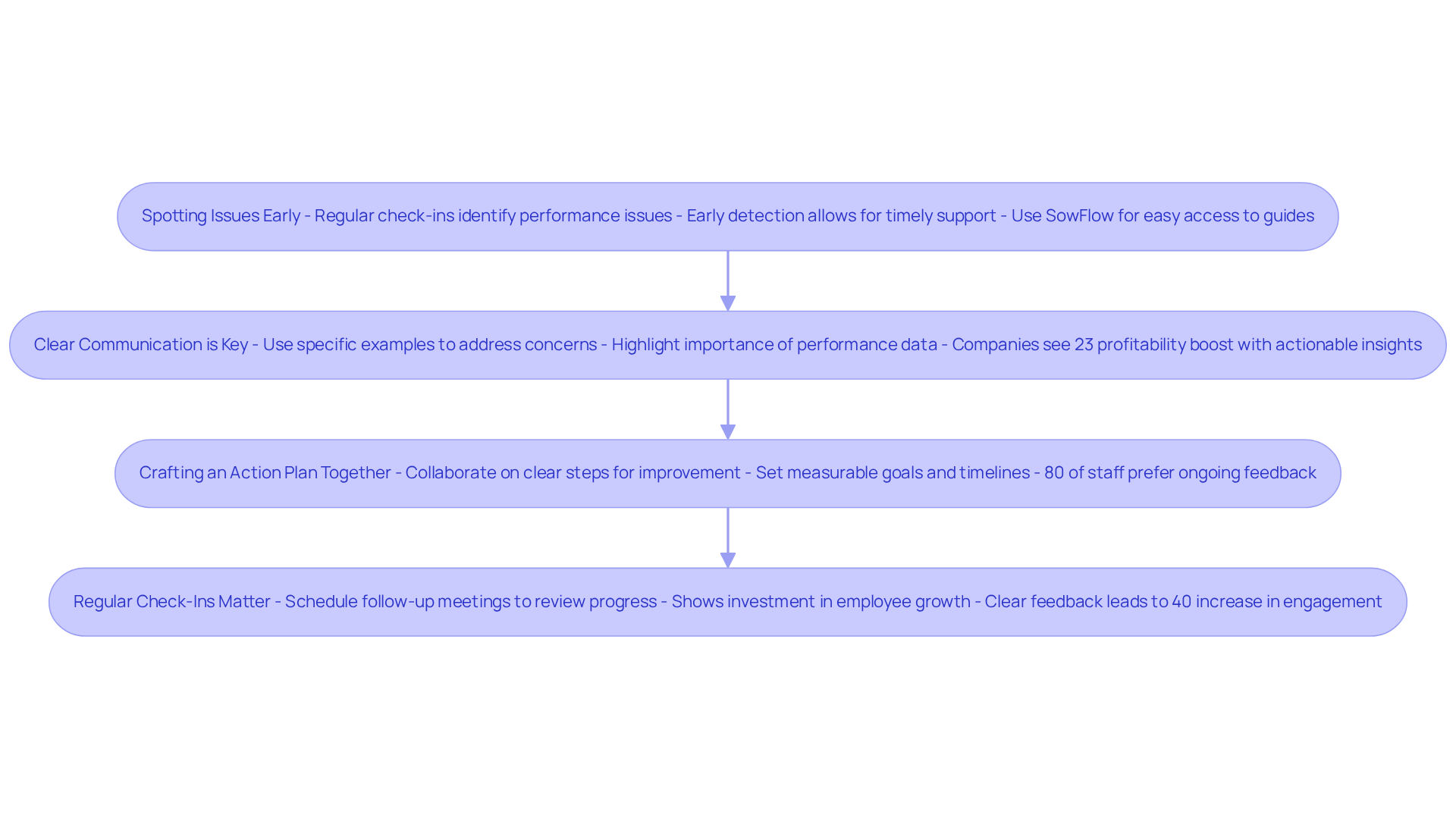
- Spotting Issues Early: You might be wondering how to keep tabs on . Regularly checking in can help you identify any before they snowball. Early detection means you can step in quickly and offer support, which is a smart way to manage your team. With SowFlow, creating and updating is a breeze, so everyone has easy access to what they need to know.
- Clear Communication is Key: When it comes to addressing effectiveness, clarity is your best friend. Use specific examples from your to highlight any concerns. This way, the person understands not just what’s going on, but why it matters. Did you know that companies that turn see a 23% boost in profitability? That’s a pretty compelling reason to get it right!
- Crafting an Action Plan Together: Now, let’s talk about . Collaborate with your team member to outline clear steps in the for improvement. Make sure to set and a timeline for follow-ups. This promotes accountability and keeps everyone focused. Interestingly, 80% of staff prefer ongoing feedback over those old-school yearly evaluations. It just shows how important is! With SowFlow, you can easily tweak those to keep them fresh and relevant.
- Regular Check-Ins Matter: Don’t forget to schedule those ! They’re crucial for reviewing progress on the action plan. Plus, it shows you’re invested in your team member’s growth. Organizations that prioritize see a whopping 40% increase in staff engagement. By creating a supportive environment, you can boost productivity and retention. And with SowFlow, instant access to documentation makes it all the easier!
Conclusion
You know, establishing a solid framework for documenting employee performance issues is super important for creating a productive workplace. When you clearly define expectations, keep consistent documentation, implement structured review processes, train supervisors, and tackle issues head-on, you can really boost employee engagement and performance. This all-encompassing approach not only helps in managing performance but also builds a culture of accountability and continuous improvement.
You might be wondering why clear communication and regular feedback matter so much. Well, setting specific performance standards and making sure they’re well-documented helps employees grasp their roles and responsibilities better. Plus, using standardized templates and real-time documentation makes tracking progress and addressing concerns a breeze. Training supervisors to conduct effective evaluations and encouraging ongoing feedback can really up employee retention and satisfaction.
Now, let’s not forget about the power of timely and constructive feedback. Organizations that make these practices a priority are likely to see a boost in productivity and a drop in turnover. Embracing these strategies not only benefits employees but also strengthens the overall organizational culture, paving the way for long-term success. So, why not take the steps outlined in this guide? They can empower your teams to thrive, ensuring that performance management is both fair and effective.
Frequently Asked Questions
What are the key components of establishing clear performance expectations?
Key components include defining specific performance standards that align with organizational goals, communicating these expectations during onboarding and regular meetings, and creating a written document for employee performance issues documentation.
Why is it important to communicate performance expectations?
Communicating performance expectations ensures that everyone understands their responsibilities and the significance of these standards for their role and the organization, which can lead to increased motivation among employees.
How can organizations enhance their documentation of employee performance issues?
Organizations can enhance documentation by using standardized templates, recording issues in real-time, including specific examples of behaviors, ensuring accessibility of documents, and leveraging input from operations managers.
What benefits come from using standardized templates for performance documentation?
Standardized templates help ensure consistent recording of necessary information across employees and situations, enhancing clarity and reducing confusion regarding performance issues.
What is the advantage of recording performance issues in real-time?
Recording issues as they happen provides a clearer picture of the context and details, making the documentation more useful and reducing the need for unnecessary meetings.
How can specific examples improve discussions about employee performance?
Including specific examples of behaviors or incidents clarifies performance issues and sets a constructive stage for future discussions.
Why is accessibility of performance documentation important?
Storing documentation in a centralized location promotes transparency, allows easy access for HR and management, and fosters a culture of accountability and continuous improvement.
How can operations managers contribute to improving documentation processes?
Operations managers can streamline processes by using standardized templates for progress records and leveraging user guide creation features to enhance communication and efficiency.
List of Sources
- Establish Clear Expectations for Performance
- Essential Employee Performance Management Statistics in 2025 | Folks (https://folksrh.com/en/blog/performance-management-statistics)
- HR analytics: role clarity impacts performance (https://effectory.com/knowledge/hr-analytics-role-clarity-impacts-performance)
- 🤯 70+ Important Performance Management Statistics for 2026 (https://yomly.com/performance-management-statistics)
- Performance Management Statistics: What 2025 Holds for HR Leaders (https://thrivesparrow.com/blog/performance-management-statistics)
- peoplebox.ai (https://peoplebox.ai/blog/performance-management-statistics)
- Maintain Consistent and Detailed Documentation
- 101 Performance Management Quotes To Inspire Employees (https://blog.darwinbox.com/performance-management-quotes)
- Performance Management Statistics: What 2025 Holds for HR Leaders (https://thrivesparrow.com/blog/performance-management-statistics)
- Essential Employee Performance Management Statistics in 2025 | Folks (https://folksrh.com/en/blog/performance-management-statistics)
- 11 Documentation Statistics to Make You Rethink Process in 2025 - Whale (https://usewhale.io/blog/documentation-statistics)
- Implement a Structured Performance Review Process
- 8 Key Points to Address During Employee Performance Reviews | Folks (https://folksrh.com/en/blog/key-points-to-address-during-employee-performance-reviews)
- Performance Management Statistics: What 2025 Holds for HR Leaders (https://thrivesparrow.com/blog/performance-management-statistics)
- 85 Must-Know Performance Management Statistics for HR in 2026 - SSR (https://selectsoftwarereviews.com/blog/performance-management-statistics)
- 101 Performance Management Quotes To Inspire Employees (https://blog.darwinbox.com/performance-management-quotes)
- Train Supervisors to Conduct Effective Evaluations
- 16 stats about performance reviews that may (or may not) surprise you (https://zensai.com/articles/traditional-performance-review-stats)
- 10 Performance Management Stats You Need to Know (https://bonusly.com/post/performance-management-stats-you-need-to-know)
- Employee Training Statistics, Trends, and Data in 2025 | Devlin Peck (https://devlinpeck.com/content/employee-training-statistics)
- Performance Management Statistics: What 2025 Holds for HR Leaders (https://thrivesparrow.com/blog/performance-management-statistics)
- peoplebox.ai (https://peoplebox.ai/blog/performance-management-statistics)
- Address Performance Issues Promptly and Fairly
- 23 Employee Performance Metrics To Track (https://aihr.com/blog/employee-performance-metrics)
- Performance Management Statistics: What 2025 Holds for HR Leaders (https://thrivesparrow.com/blog/performance-management-statistics)
- Workplace Communication Statistics for 2026 (https://pumble.com/learn/communication/communication-statistics)
- 101 Performance Management Quotes To Inspire Employees (https://blog.darwinbox.com/performance-management-quotes)
👍
What others are liking


5 Steps to outline your ideal documentation structure
5 MINS READ
Where to start the your journey of mapping out your ideal documentation structure, aligning it with the very heartbeat of your organization?
Defining a winning level of detail in your process
3 MINS READ
What is too much detail, and what is too little? This article described in that winning level detail about what detail is enough.


