


Key Highlights
- Implement structured communication channels using platforms like Slack or Microsoft Teams to enhance real-time engagement.
- Establish clear norms for communication, including expected response times and appropriate channels for different messages.
- Regularly review communication tools based on employee feedback to improve satisfaction and effectiveness.
- Define roles and responsibilities clearly using job descriptions and RACI matrices to avoid task duplication and enhance accountability.
- Conduct regular cheque-ins to reinforce roles and adapt as projects evolve, ensuring everyone is aligned.
- Leverage collaborative tools like Asana, Trello, and Google Workspace to enhance task tracking and real-time collaboration.
- Encourage a culture of feedback through individual chats, surveys, and retrospective meetings to foster continuous improvement.
- Hold regular team meetings to keep everyone aligned, discuss project statuses, and celebrate successes while following up with clear notes.
Introduction
You might be wondering why effective collaboration is such a big deal in operations management. Well, it’s really the backbone of successful teams! Yet, many teams find it tough to tap into its full potential. In this article, we’re going to explore five best practices that every operations manager should consider to create a collaborative culture. We’ll cover everything from:
- Setting up clear communication channels
- Using technology
- Encouraging ongoing feedback
But here’s the kicker: how can managers make sure these practices actually lead to real improvements in team performance and engagement? That’s the question we’ll dive into. By exploring this, we’ll uncover strategies that not only boost collaboration but also drive operational success. So, let’s get started!
Establish Clear Communication Channels
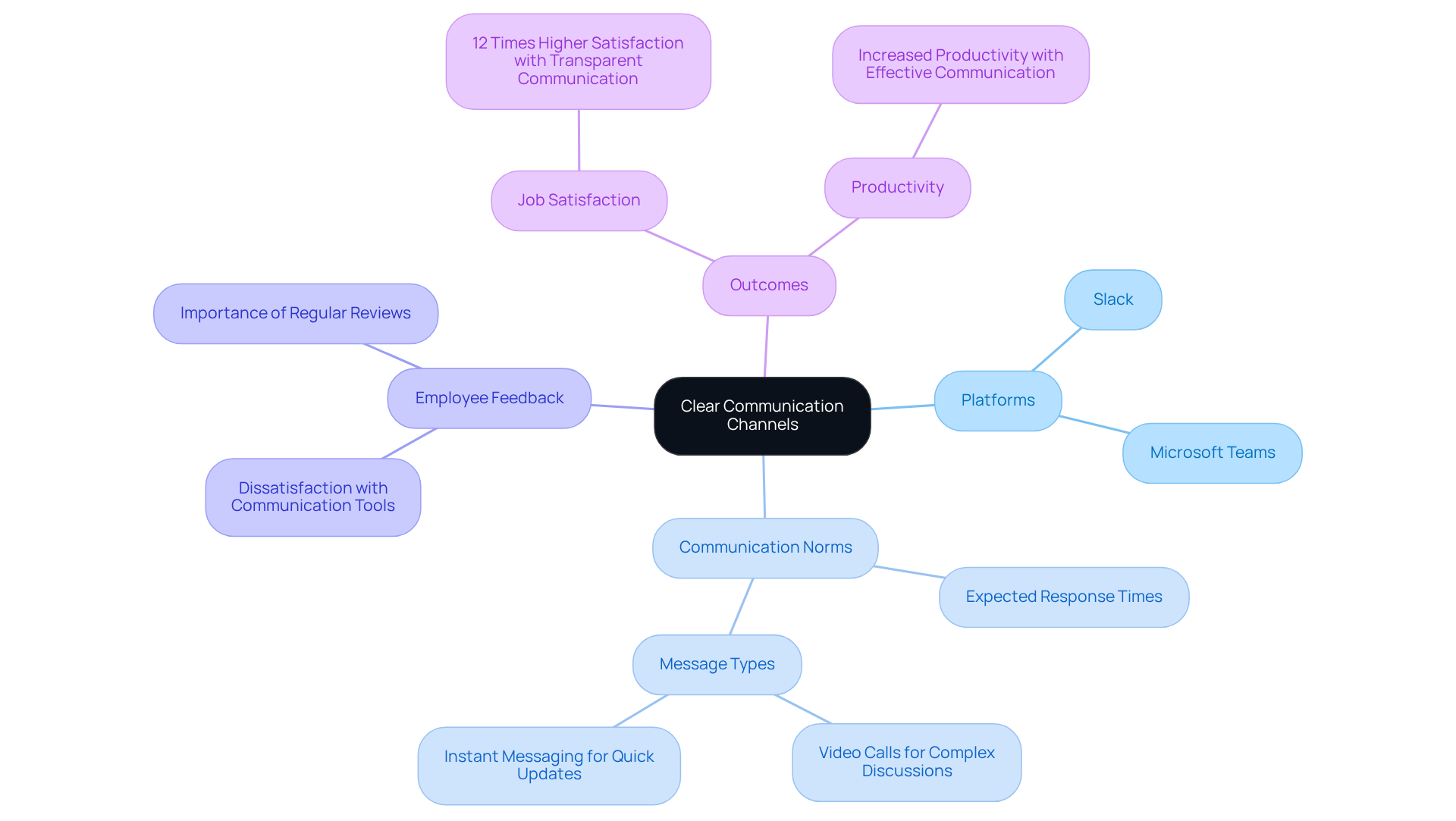
You might be wondering how to apply to make it more effective, right? Well, operations managers should really focus on implementing through . Using platforms like Slack or Microsoft Teams can be a game changer! They let team members share updates, ask questions, and give feedback in real-time, which really boosts engagement.
Now, let’s talk about setting some . Think about things like expected response times and which channels to use for different types of messages. For example, video calls are great for those , while instant messaging is perfect for quick updates. Did you know that 86% of employees say ? That’s a big deal!
It’s also super important to regularly review and tweak these channels based on what the team thinks. After all, their organization offers. That’s a clear sign we need to step up our game! This organized approach not only but also adheres to , which essential for high-performing teams. And here’s a fun fact: than those who don’t. So, let’s keep the conversation going!
Define Roles and Responsibilities Clearly
You might be wondering how operations managers can make sure everyone knows their roles and responsibilities. Well, it all starts with and ongoing chats about how each person contributes to . Have you heard of ? They’re super handy for clarifying who’s responsible for what. For example, when kicking off a new initiative, managers can lay out each member's duties. This not only helps avoid but also builds accountability within the team.
Now, let’s talk about . They’re key for reinforcing these roles and making any necessary tweaks as projects move along. Research shows that organizations without defined roles often face significant , which can really slow things down. By effectively using , operations managers can apply to boost engagement and ensure everyone’s on the same page, ultimately leading to better performance.
Speaking of keeping everyone informed, have you tried ? It makes creating and updating user guides a breeze, so everyone has access to the latest info. This not only streamlines but also enhances , making your team even more efficient. So, why not explore these tools and see how they can help your team thrive?

Leverage Collaborative Tools and Technology
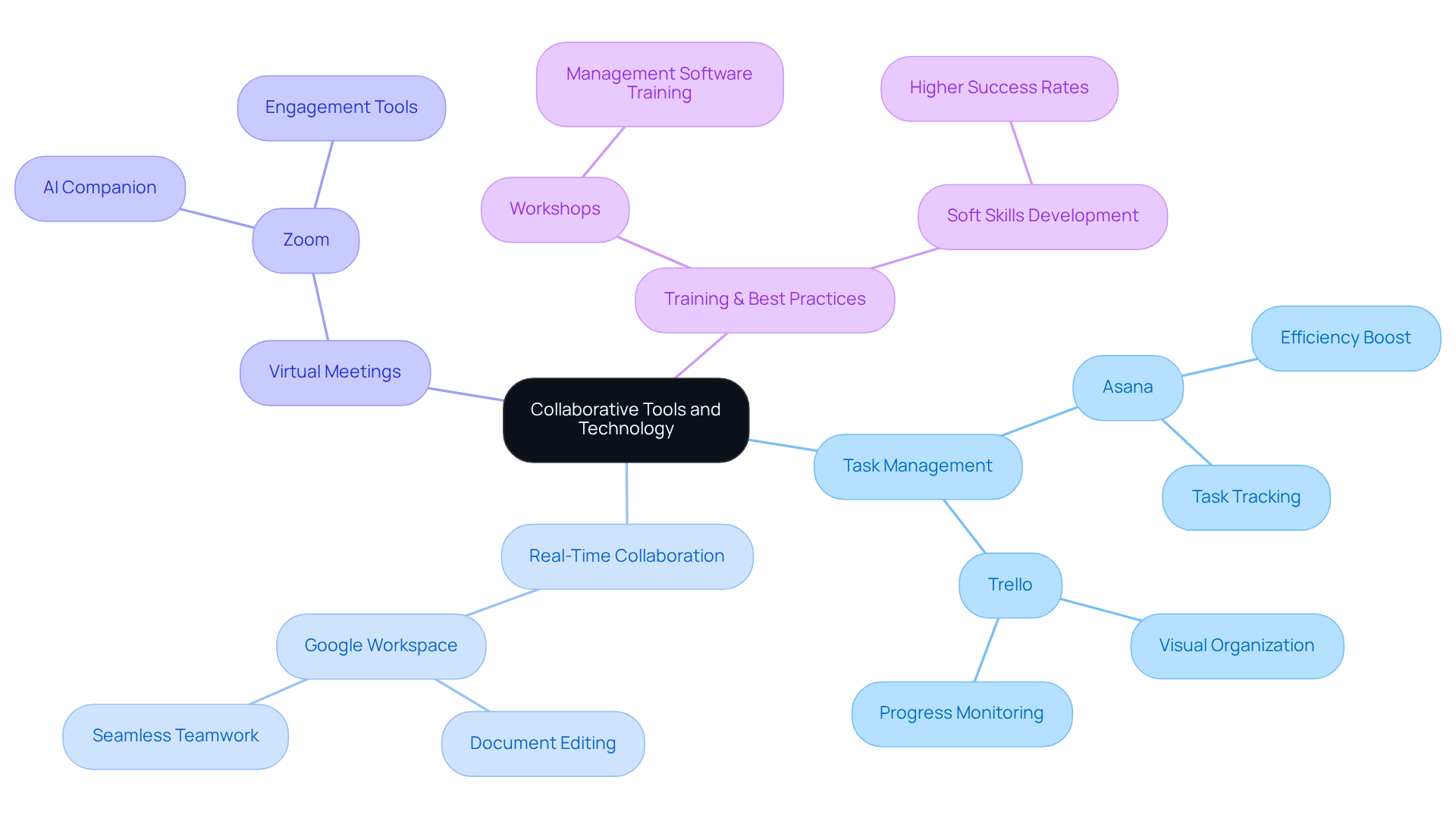
You might be wondering how to apply to boost teamwork in your team. Well, operations managers can really make a difference by choosing that fit their group's unique needs. Platforms like Asana and Trello are fantastic for keeping track of tasks and monitoring progress. Did you know that 82% of organizations using report better efficiency? That’s pretty impressive! Plus, companies that embrace and cut costs by 10-20%. Talk about a win-win!
Now, let’s dive into Google Workspace. It takes collaboration up a notch by allowing , which makes teamwork feel seamless. And don’t forget about tools like Zoom for virtual meetings and Miro for brainstorming sessions - they can really spark engagement and creativity among your group.
But here’s the thing: for collaboration in using these tools effectively is key. For instance, running workshops on can help everyone get the most out of these resources. Organizations that focus on building soft skills in their teams often see higher success rates, demonstrating the importance of .
Regularly checking how well these tools are working and being open to new technologies can lead to adopting within your team. As more organizations recognize the value of organized management methods, the right technology can truly be a game-changer for achieving .
Encourage Feedback and Continuous Improvement
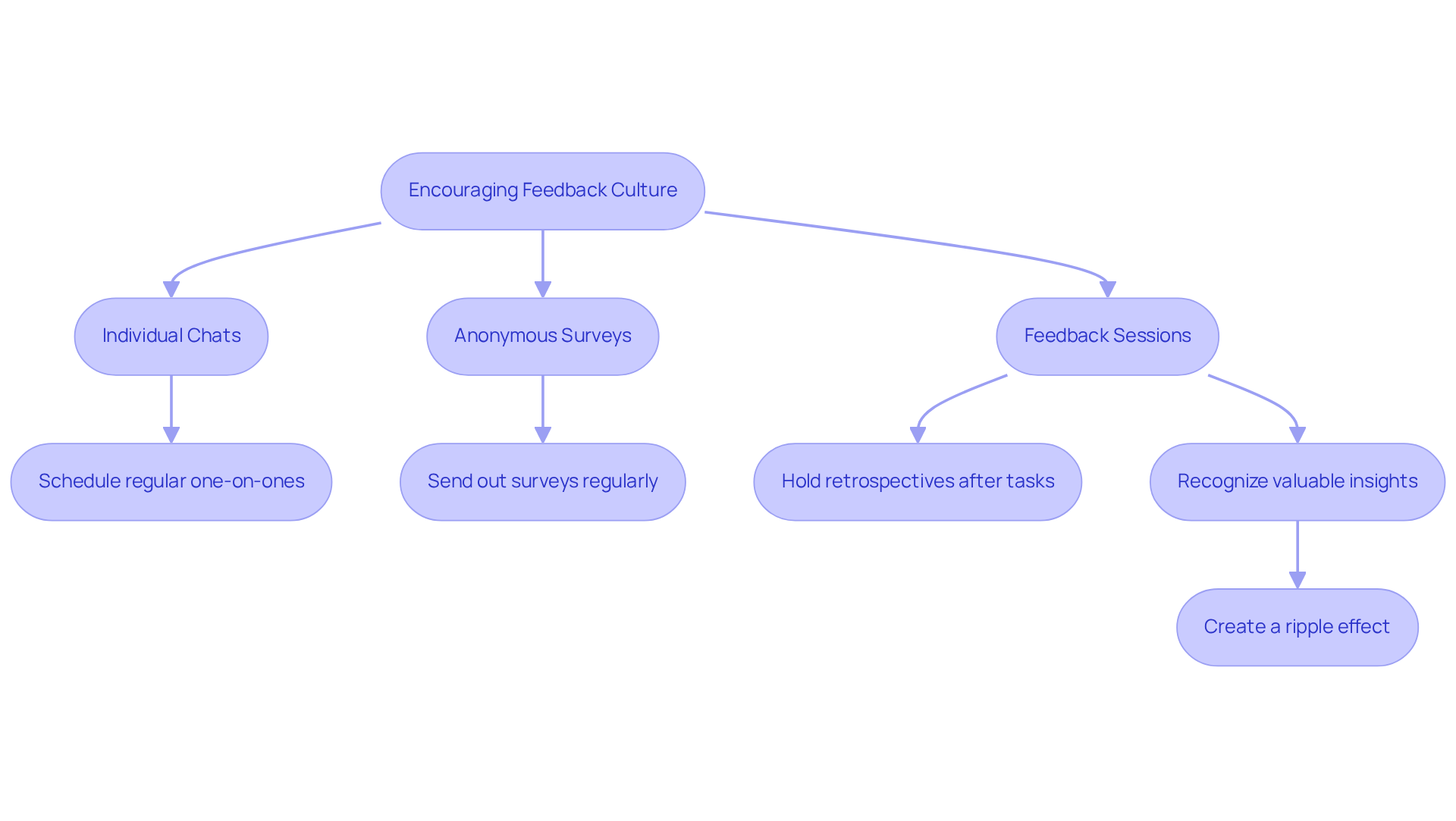
You might be wondering how to create a culture where feedback is not just welcomed but actively sought out. Well, it’s all about making it a regular part of your routine! Think about having:
- Individual chats
- Sending out anonymous surveys
- Holding right after tasks are completed
For example, a 'retrospective' meeting after a project can be a great way for teams to chat about what went well and what could use a little tweaking.
Encouraging your colleagues to share can really and help the whole team grow together. Plus, when you recognize and reward those who offer valuable insights, it creates a ripple effect, motivating others to jump in and contribute to this . So, why not start fostering that today?
Conduct Regular Team Meetings for Alignment
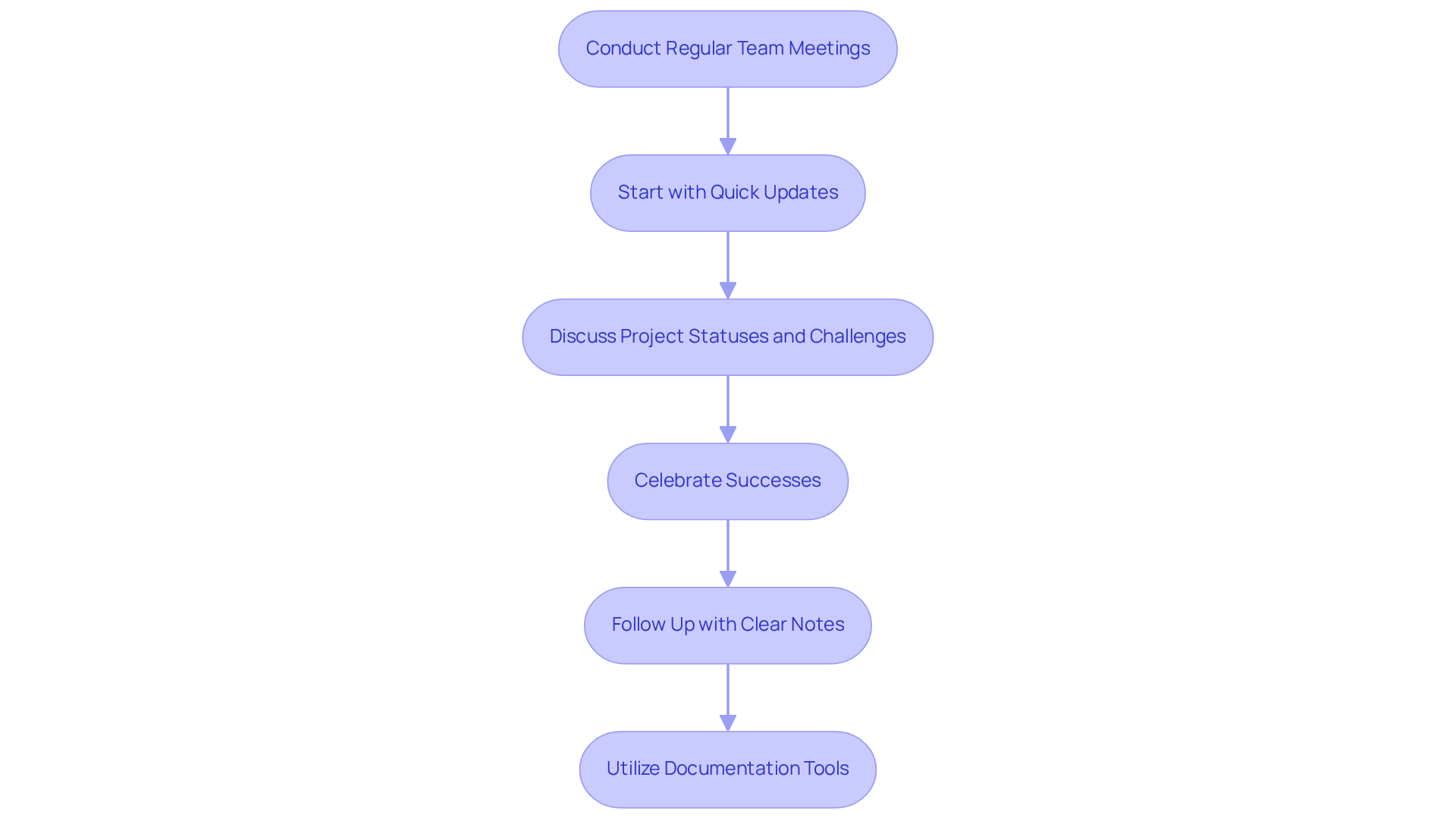
You might be wondering how to keep your team aligned and motivated. Well, one great way is by prioritizing - think weekly or bi-weekly meet-ups. These sessions are perfect for discussing project statuses, upcoming deadlines, and any challenges that might pop up. Just make sure to have a to keep things efficient and respect everyone’s time.
Starting off with quick updates from each participant can really encourage responsibility and keep everyone in the loop. Plus, don’t forget to during these meetings! It’s a fantastic way to boost morale and motivation.
After your discussions, is key. This reinforces the decisions made and clarifies action items, ensuring everyone knows what they’re responsible for. Speaking of making things easier, have you checked out ? They can really help tackle challenges faced during these meetings by providing instant access to , which streamlines workflows and .
This structured approach not only enhances communication but also applies to foster a collaborative environment. In the end, it leads to improved . So, why not give it a try?
Conclusion
You know, effective collaboration is really the backbone for operations managers who want to drive team success and boost productivity. By setting up structured communication channels, clearly defining roles and responsibilities, and using collaborative tools, managers can create an environment that truly fosters teamwork and accountability. These practices not only streamline processes but also help build a culture of transparency and continuous improvement.
So, what are some key strategies? Well, establishing clear communication channels keeps everyone engaged and in the loop. Plus, defining roles with tools like RACI matrices can clear up confusion and enhance accountability. And let’s not forget about collaborative technologies like Asana and Google Workspace - they can really ramp up efficiency! Encouraging a feedback culture is also crucial; it promotes ongoing growth and development. Regular team meetings? They’re a great way to align everyone, motivate the team, and recognize individual contributions, all of which reinforce the importance of collaboration in hitting those operational goals.
Ultimately, embracing these collaboration best practices can really shake up team dynamics and drive operational success. Operations managers should take a moment to assess their current practices and actively implement these strategies to build a more cohesive and high-performing team. By prioritizing collaboration, organizations can not only boost productivity but also create a positive workplace culture that values communication, accountability, and continuous improvement. So, why not give it a shot?
Frequently Asked Questions
What are effective communication channels for collaboration?
Effective communication channels for collaboration include platforms like Slack and Microsoft Teams, which allow team members to share updates, ask questions, and provide feedback in real-time.
Why is it important to set clear norms around communication?
Setting clear norms around communication helps establish expected response times and appropriate channels for different types of messages, which enhances overall communication effectiveness and reduces workplace failures.
How can organizations improve employee satisfaction with communication tools?
Organizations can improve employee satisfaction by regularly reviewing and adjusting communication channels based on team feedback, as many employees feel dissatisfied with the tools provided.
What impact does transparent communication have on job satisfaction?
Employees who experience transparent communication report 12 times higher job satisfaction compared to those who do not.
How can operations managers clarify roles and responsibilities within a team?
Operations managers can clarify roles and responsibilities by providing clear job descriptions and using tools like RACI matrices to outline each team member's duties.
What are RACI matrices and how do they help teams?
RACI matrices are tools that clarify who is Responsible, Accountable, Consulted, and Informed for specific tasks, helping to avoid task duplication and build accountability within the team.
Why are regular check-ins important for team performance?
Regular check-ins reinforce defined roles and allow for adjustments as projects progress, ensuring that everyone stays aligned and accountable.
What is SowFlow and how does it benefit teams?
SowFlow is an instant documentation solution that simplifies the creation and updating of user guides, helping teams access the latest information and enhancing process standardization and knowledge sharing.
List of Sources
- Establish Clear Communication Channels
- 60+ Communication in the Workplace Statistics (2024/2025) (https://high5test.com/communication-in-the-workplace-statistics)
- Workplace Communication Statistics for 2026 (https://pumble.com/learn/communication/communication-statistics)
- Communications Statistics You Need to Know in 2026 (https://sociabble.com/blog/employee-communications/communications-statistics)
- Business & Workplace Communication Statistics 2025 | Simon & Simon (https://simonandsimon.co.uk/blog/workplace-communication-statistics)
- axioshq.com (https://axioshq.com/insights/internal-communications-statistics)
- Define Roles and Responsibilities Clearly
- 100+ Employee teamwork quotes that motivate, unite, and inspire success (https://culturemonkey.io/employee-engagement/employee-teamwork-quotes)
- HR analytics: role clarity impacts performance (https://effectory.com/knowledge/hr-analytics-role-clarity-impacts-performance)
- indeed.com (https://indeed.com/career-advice/career-development/team-management-quotes)
- 100 Insightful Quotes on Accountability (https://focusu.com/blog/100-insightful-quotes-on-accountability)
- 31 statistics about collaboration in the workplace in 2025 (https://zoom.com/en/blog/workplace-collaboration-statistics)
- Leverage Collaborative Tools and Technology
- Top 50 Project Management Statistics for 2025 Success (https://ravetree.com/blog/top-50-project-management-statistics-for-2025)
- 31 statistics about collaboration in the workplace in 2025 (https://zoom.com/en/blog/workplace-collaboration-statistics)
- AI-Powered Team Collaboration in 2025: Trends, Tools, and Techniques for Forward-Thinking Businesses - SuperAGI (https://superagi.com/ai-powered-team-collaboration-in-2025-trends-tools-and-techniques-for-forward-thinking-businesses)
- Workplace Collaboration: Statistics, Trends & Takeaways 2026 (https://archieapp.co/blog/workplace-collaboration-statistics)
- 47 Workplace Collaboration Statistics and Trends in 2026 (https://proofhub.com/articles/workplace-collaboration-statistics)
- Encourage Feedback and Continuous Improvement
- thrivesparrow.com (https://thrivesparrow.com/blog/employee-feedback-statistics)
- How Effective Feedback Fuels Performance (https://gallup.com/workplace/357764/fast-feedback-fuels-performance.aspx)
- 63 Employee Feedback Statistics in 2025 | Peaceful Leaders Academy (https://peacefulleadersacademy.com/blog/employee-feedback-statistics)
- Essential Employee Performance Management Statistics in 2025 | Folks (https://folksrh.com/en/blog/performance-management-statistics)
- Conduct Regular Team Meetings for Alignment
- Alignment meeting: Make your team more productive (https://sally.io/blog/effective-alignment-meeting)
- flowtrace.co (https://flowtrace.co/collaboration-blog/50-meeting-statistics)
- 15 Tips to Run Effective Team Meetings (https://linkedin.com/pulse/15-tips-run-effective-team-meetings-meetgeek-ai-831cf)
- Inspirational Quotes for Meetings: Boost Team Motivation - LifeHack Quotes (https://quotes.lifehack.org/collections/inspirational-quotes-for-meetings)
- How to Conduct Effective Team Meetings That Drive Productivity (https://getclariti.medium.com/how-to-conduct-effective-team-meetings-that-drive-productivity-52b1e460f48b)
👍
What others are liking


5 Steps to outline your ideal documentation structure
5 MINS READ
Where to start the your journey of mapping out your ideal documentation structure, aligning it with the very heartbeat of your organization?
Defining a winning level of detail in your process
3 MINS READ
What is too much detail, and what is too little? This article described in that winning level detail about what detail is enough.


