

Streamlined Onboarding Processes
|
April 29, 2026
|

4 Steps to Choose Your Company Training Platform Effectively
Key Highlights
- Conduct a competency gap analysis to evaluate team skills against needs; many leaders recognise a skills gap, but few perform regular analyses.
- Gather feedback from team members through interviews or surveys to tailor development programmes, enhancing engagement and retention.
- Align training needs with organisational goals to boost productivity and morale by linking development initiatives to business success.
- Prioritise training needs based on analysis and feedback, focusing on critical areas to maximise resource effectiveness amidst budget limitations.
- Choose a user-friendly training platform with intuitive navigation to enhance engagement and reduce the learning curve.
- Look for content creation tools in training platforms to develop tailored educational materials for team needs.
- Ensure the training platform offers robust analytics and reporting for tracking learner progress and evaluating training effectiveness.
- Verify integration capabilities of the training platform with existing tools to streamline processes and improve user experience.
- Develop a solid execution strategy for launching the training platform, including timelines, resources, and milestones.
- Train both administrators and users thoroughly to increase revenue and course completion rates; customised training is essential.
- Pilot the platform with a small group to gather feedback and make necessary adjustments before full-scale launch.
- Monitor the training platform post-launch, providing ongoing support to tackle user challenges and enhance engagement.
- Regularly collect user input and analyse performance metrics to adapt the training strategy for effectiveness.
- Modify instructional materials based on feedback and performance data to improve overall training outcomes.
- Stay informed about updates from the training platform provider to keep the training strategy relevant and effective.
Introduction
Choosing the right training platform for your company can feel like a real challenge, right? Especially when the stakes are high and everything seems to be changing all the time. Did you know that we’re looking at a staggering $8.5 trillion in projected losses due to skill gaps by 2030? That’s a lot! So, it’s crucial for organizations to focus on effective training solutions that really align with their goals.
In this article, we’re going to explore a structured approach that not only helps you identify your training needs but also evaluates key platform features and implementation strategies. You might be wondering, how can companies ensure they pick a training platform that meets their immediate needs and can adapt to future challenges? Well, let’s dive into that together!
Identify Your Team's Training Needs
To effectively identify your team's training needs, let’s break it down into some simple steps:
- Perform a Competency Gap Analysis: Have you ever thought about how your team’s skills stack up against what they really need? Evaluating their existing abilities is key. You can do this through surveys, performance reviews, or just by observing them in action. Interestingly, about 70% of leaders recognize there’s a skills gap, but only 31% of companies actually conduct regular skills gap analyses. That’s a big opportunity waiting to be seized!
- Gather Feedback: Now, let’s talk about feedback. Engaging with your team members to hear their thoughts on what they need for development is super important. You could set up one-on-one interviews or even anonymous surveys. Many successful organizations have found that when they actively seek employee input, they end up with more tailored development programs. This not only boosts engagement but also helps with retention.
- Define Organizational Goals: Next up, it’s all about aligning those development needs with your organization’s goals. You might be wondering why this matters. Well, when you ensure that development contributes to overall business success, you create a clear link between initiatives and objectives. This connection can really amp up productivity and morale!
- Prioritize Training Needs: Based on what you’ve analyzed and the feedback you’ve gathered, it’s time to prioritize. Focus on the most critical areas first. This strategic approach helps you choose a platform that effectively addresses these priorities, making sure resources go where they’re needed most. With 44% of companies citing budget limitations as a hurdle for talent development, prioritization is crucial for maximizing impact. And let’s not forget, addressing these developmental needs is vital; failing to do so could contribute to the staggering projected $8.5 trillion loss in annual revenues by 2030 due to skill gaps.

Evaluate Key Features of Training Platforms
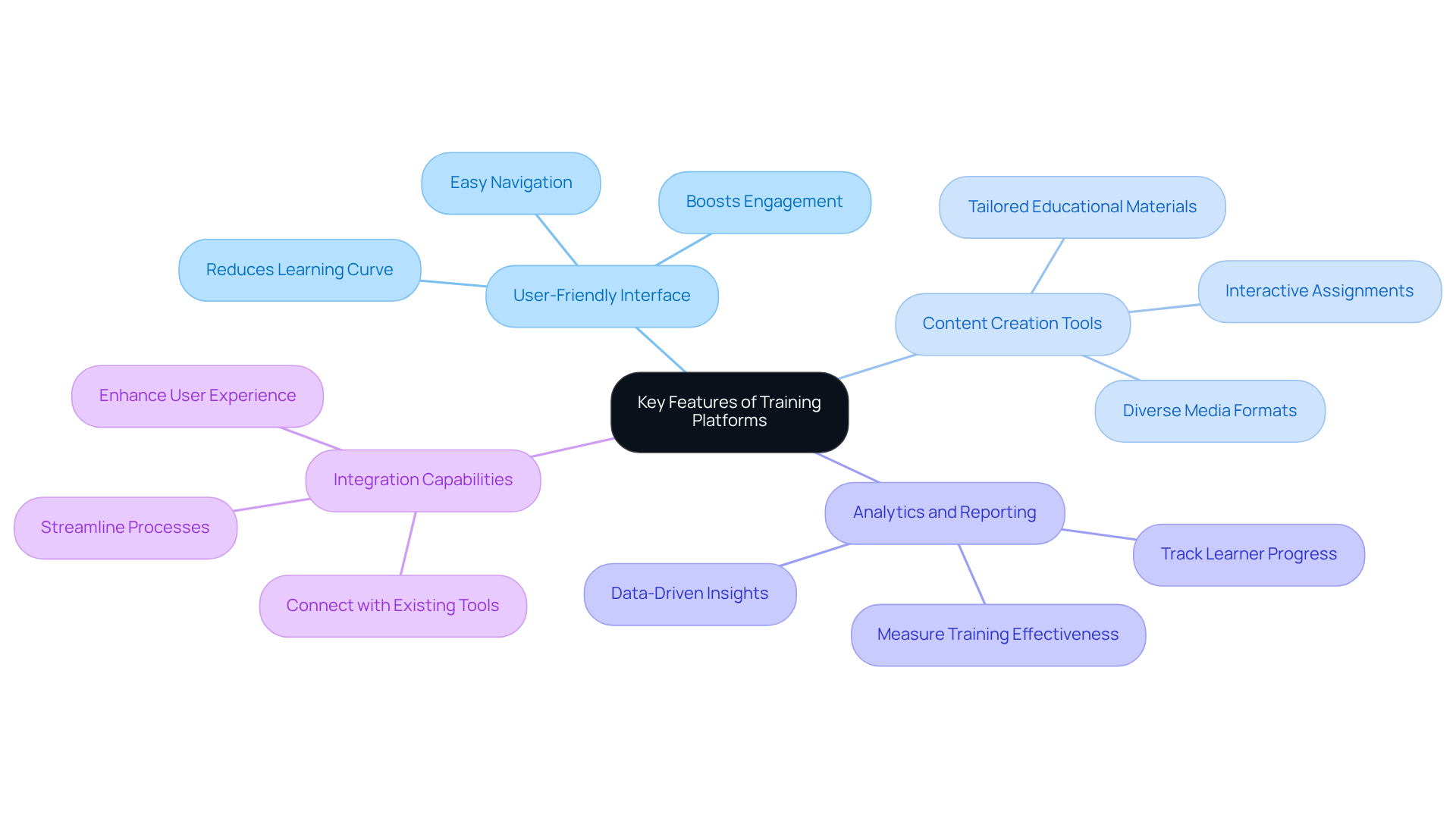
When you're on the hunt for the right company training platform, you might be wondering what features really matter. Let’s break it down together:
- User-Friendly Interface: First off, you want a system that’s easy to navigate. An intuitive design in the company training platform makes it easy for both trainers and learners, boosting engagement and reducing the pesky learning curve.
- Content Creation Tools: Next, look for platforms that offer solid content creation features. This way, you can whip up tailored educational materials on the company training platform that fit your team’s unique needs perfectly.
- Analytics and Reporting: Now, let’s talk about analytics. You’ll want a company training platform that provides you with comprehensive reporting capabilities. This data is gold when it comes to tracking learner progress and figuring out how effective your development initiatives really are.
- Integration Capabilities: Finally, don’t forget about integration. Make sure the company training platform can connect with your existing tools, like HR software or project management systems. This will streamline your processes and make everything more user-friendly.
So, what do you think? Are these features on your checklist? Let’s keep exploring what works best for you!
Implement the Chosen Training Platform Effectively
To implement your chosen training platform effectively, let’s break it down into some simple steps:
- Develop an Execution Strategy: First things first, you’ll want to create a solid plan that lays out the timeline, resources you’ll need, and key milestones for launching your educational system. This structured approach helps everyone involved stay on the same page and ready for the transition.
- Train Administrators and Users: You might be wondering how to get everyone up to speed. Well, conducting thorough training sessions for both administrators and users is key. Research shows that organizations investing in development see a whopping 218% increase in revenue! That’s a big deal. Plus, customized training can boost course completion rates by 55% and enhance performance outcomes by 21%. So, it’s super important to equip your staff with the skills they need. And don’t forget about SowFlow’s user guide development features - they can make training smoother by providing instant access to documentation, cutting down on those unnecessary meetings.
- Pilot the Platform: Now, before you go all out with a full launch, consider running a pilot program with a small group of users. This is a great way to gather feedback and make any necessary tweaks based on their experiences. You want to ensure the system really meets your organization’s needs. SowFlow’s instant documentation solution can help streamline this process, making it easier to standardize procedures and share knowledge among your team.
- Launch and Monitor: Once you’re ready, it’s time to officially kick off the system organization-wide! Keep a close eye on how it’s being used. Providing ongoing support and resources is crucial for tackling any challenges users might face. Remember, ongoing development and updates can significantly boost user engagement and retention. Employees who feel valued through skill enhancement are more likely to stick around. By fostering a culture of learning and leveraging SowFlow’s features for quick updates to documentation, you can make sure your educational platform becomes a vital part of your organizational development strategy. And with the corporate eLearning market projected to grow from $245.5 billion in 2022 to $462.6 billion by 2027, investing in development solutions is becoming more important than ever to stay competitive.

Assess and Adapt Your Training Strategy
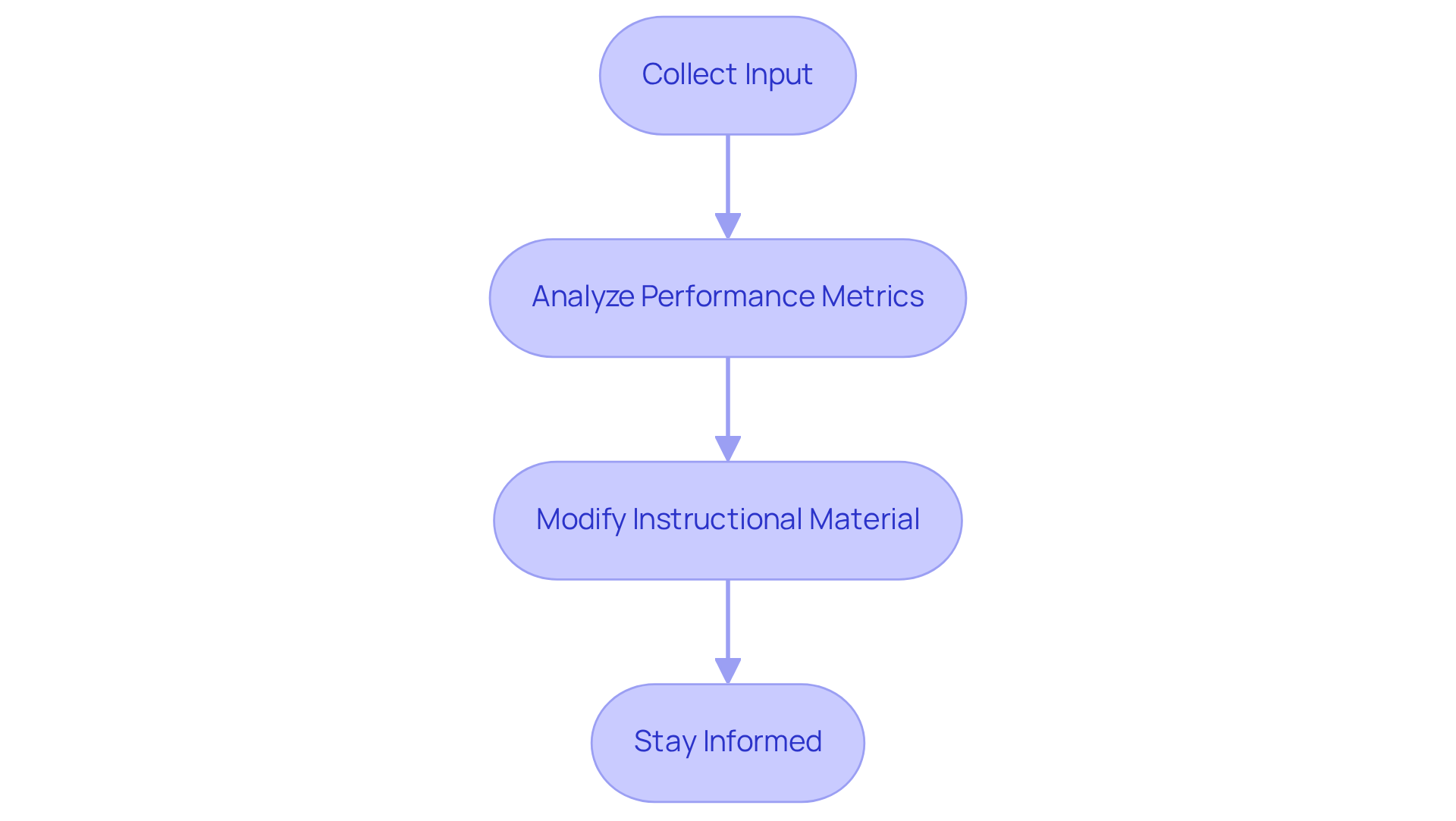
To really get the most out of your training strategy, let’s think about a few key steps together:
- Collect Input: How often do you check in with your users? Regularly gathering their thoughts on the educational system and how effective they find the instructional material can be a game changer.
- Analyze Performance Metrics: Have you tapped into the analytics and reporting tools available? They can help you see how learners are progressing and what educational results are popping up. Keep an eye out for trends and areas that could use a little TLC.
- Modify Instructional Material: Based on the feedback and performance data you gather, don’t hesitate to tweak the instructional content and delivery methods. Making those adjustments can really boost effectiveness.
- Stay Informed: Are you keeping up with the latest features and updates from your education platform provider? Regularly reviewing and adapting your training strategy to include these enhancements will help keep everything fresh and relevant.
Conclusion
Choosing the right training platform for your company is a big deal! It’s all about boosting employee skills and driving your organization toward success. By figuring out what training needs you have, checking out key features, rolling out the platform, and keeping tabs on how it’s working, you can build a solid learning environment. This not only hits those immediate goals but also keeps you aligned with your long-term vision.
You might be wondering where to start. Well, it all kicks off with spotting the skills gaps in your team. Think about doing some competency analyses and gathering feedback. It’s super important to make sure your training initiatives match up with your organizational goals. Plus, prioritize what you need based on the resources you have. And don’t forget to evaluate essential platform features! Look for things like:
- User-friendliness
- Content creation tools
- Analytics capabilities
- Integration options
This way, you’ll find a solution that fits your organization’s unique demands.
But hey, the journey doesn’t stop once you’ve picked and implemented a training platform. Continuous assessment and tweaking of your training strategy based on user feedback and performance metrics are key to getting the most out of your educational initiatives. As the corporate eLearning market keeps growing, investing in a well-chosen training platform is becoming more crucial for businesses that want to stay competitive. By embracing these practices, you’ll not only boost employee engagement and retention but also set your organization up to thrive in a constantly changing landscape. So, are you ready to take the plunge?
Frequently Asked Questions
What is the first step in identifying a team's training needs?
The first step is to perform a competency gap analysis, which involves evaluating the team's existing skills against what is actually needed. This can be done through surveys, performance reviews, or direct observation.
How prevalent is the recognition of skills gaps among leaders?
About 70% of leaders recognize that there is a skills gap within their teams, but only 31% of companies conduct regular skills gap analyses.
Why is gathering feedback from team members important?
Gathering feedback is important because it helps understand what team members feel they need for development. Engaging employees through one-on-one interviews or anonymous surveys can lead to more tailored development programs, boosting engagement and retention.
How should training needs be aligned with organizational goals?
Training needs should be aligned with organizational goals to ensure that development contributes to overall business success. This alignment creates a clear link between training initiatives and company objectives, enhancing productivity and morale.
What should be done after analyzing training needs and gathering feedback?
After analyzing training needs and gathering feedback, it is important to prioritize the training needs. Focus on the most critical areas first to ensure that resources are allocated effectively, especially considering budget limitations cited by 44% of companies.
What are the potential consequences of not addressing training needs?
Failing to address training needs could contribute to a significant projected loss of $8.5 trillion in annual revenues by 2030 due to skill gaps. Prioritizing and addressing these needs is vital for organizational success.
👍
What others are liking


5 Steps to outline your ideal documentation structure
5 MINS READ
Where to start the your journey of mapping out your ideal documentation structure, aligning it with the very heartbeat of your organization?
Defining a winning level of detail in your process
3 MINS READ
What is too much detail, and what is too little? This article described in that winning level detail about what detail is enough.


