

Process Improvement through Documentation
|
March 9, 2026
|

4 Essential SOPs for Property Management Success
Key Highlights:
- Standard Operating Procedures (SOPs) are documented processes that outline the steps to perform specific tasks consistently.
- SOPs ensure consistency, efficiency, compliance, and serve as a training tool for new employees.
- Benefits of SOPs include reduced errors, increased accountability, and improved communication within teams.
- Key types of SOPs in property management include leasing procedures, maintenance and repairs, rent collection, tenant communication, property inspections, financial management, and emergency procedures.
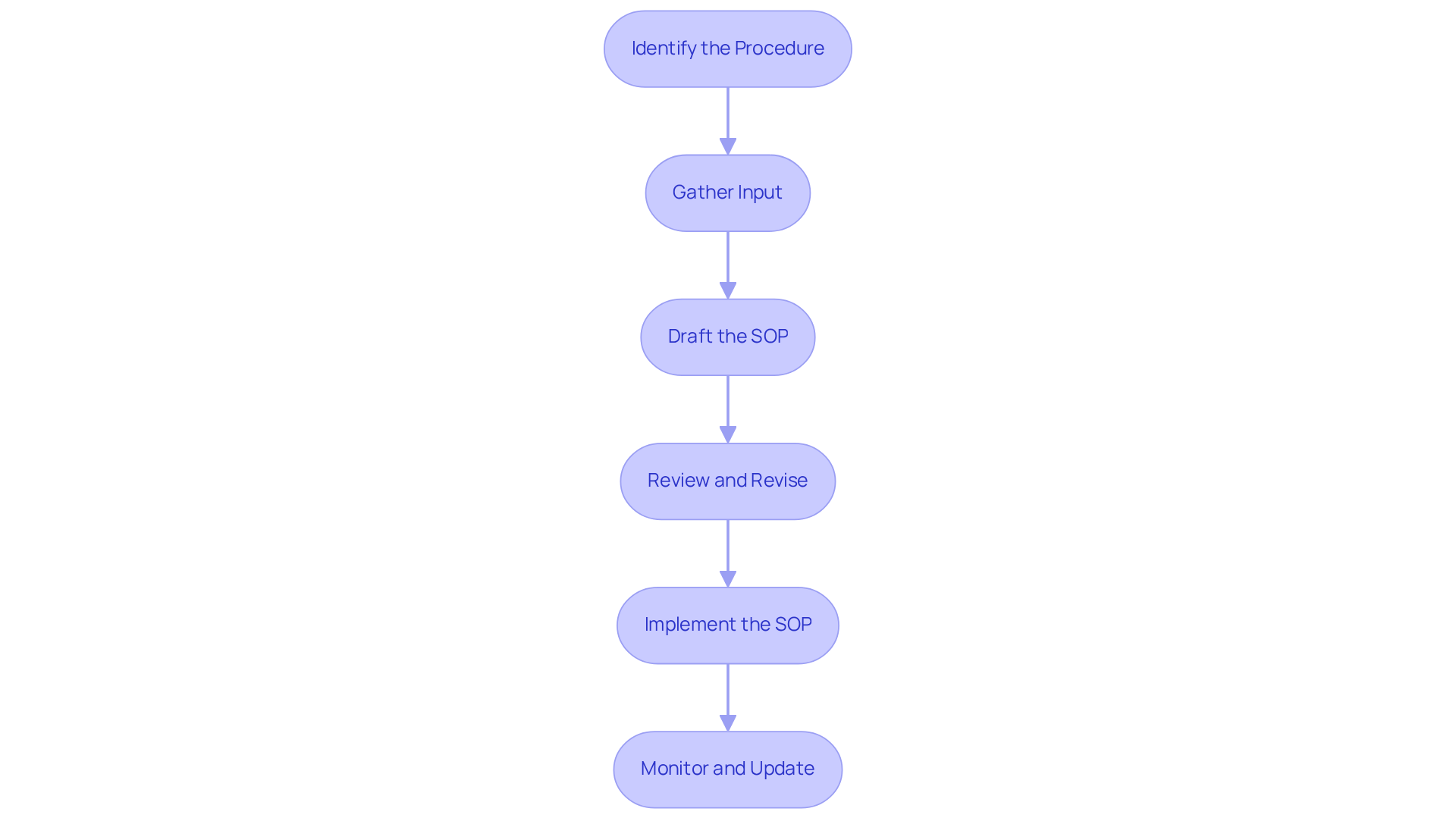
- Creating SOPs involves identifying necessary procedures, gathering input from team members, drafting clear instructions, reviewing and revising with stakeholders, implementing through training, and monitoring for compliance.
- Training for SOP adoption should include a structured plan, varied formats to accommodate different learning styles, clear communication, feedback mechanisms, and compliance monitoring.
Introduction
You might be wondering how to kick off a successful property management operation. Well, it all starts with effective Standard Operating Procedures (SOPs). These handy documents not only boost consistency and efficiency but also act as a vital training tool for new team members. But here’s the kicker: how do property managers pinpoint and craft the right SOPs that streamline operations while also building a culture of compliance and accountability?
In this article, we’re diving into four essential SOPs that can really shake up property management practices. By focusing on these, you can ensure operational success and keep your tenants happy. So, let’s get started!
Define Standard Operating Procedures (SOPs) and Their Importance
-
What Are Standard Operating Procedures? You might be wondering what a Standard Operating Procedure (SOP) really is. Well, it’s a documented process that lays out the steps needed to perform a specific task consistently. Pretty straightforward, right?
-
Why Are SOPs Important? Let’s talk about why SOPs matter:
- Consistency: They ensure tasks are done the same way every time, which cuts down on variability in service delivery. No one likes surprises when it comes to quality!
- Efficiency: SOPs streamline operations by providing clear guidelines. This clarity can save you time and resources - who doesn’t want that?
- Compliance: They help you stick to legal and regulatory requirements, which means less risk of running into trouble down the line.
- Training Tool: SOPs are a fantastic resource for onboarding new employees. They help newcomers quickly grasp their roles and responsibilities, making the transition smoother.
-
What Are the Benefits? So, what’s in it for you? Here are a few perks:
- They reduce errors and misunderstandings, which is always a win.
- They boost accountability among team members, making everyone feel more responsible.
- Plus, they facilitate better communication and collaboration within teams. When everyone’s on the same page, things just flow better!

Identify Key Types of SOPs for Property Management
-
Leasing Procedures: You might be wondering how to streamline your leasing process. Start by outlining the steps for tenant screening, lease signing, and those all-important move-in activities. Keeping this organized can make a world of difference!
-
Maintenance and Repairs: Let’s talk about maintenance. It’s crucial to have clear procedures for handling maintenance requests, emergency repairs, and routine inspections. This way, you can ensure everything runs smoothly and your tenants feel taken care of.
-
Rent Collection: Now, onto the not-so-fun part - rent collection. Establishing guidelines for invoicing, payment processing, and handling late payments can save you a lot of headaches down the line. Trust me, a little structure goes a long way!
-
Tenant Communication: Communication is key, right? Define protocols for regular updates, feedback collection, and conflict resolution. This not only keeps everyone in the loop but also fosters a positive relationship with your tenants.
-
Property Inspections: You might be thinking about property inspections. Creating checklists for move-in/move-out inspections and routine property assessments can help you stay on top of things. Plus, it ensures that nothing slips through the cracks!
-
Financial Management: Let’s dive into financial management. Standardizing procedures for budgeting, financial reporting, and expense tracking is essential for keeping your finances in check. It’s all about making informed decisions!
-
Emergency Procedures: Finally, let’s not forget about emergencies. It is vital to create a SOP for property management that addresses emergencies, including natural disasters and tenant safety protocols. Being prepared can make all the difference when it counts!

Outline Steps for Creating and Implementing SOPs
-
Identify the Procedure: You might be wondering how to kick things off. Start by figuring out which activities in property management really need a SOP for property management. Take a look at how often these tasks pop up and how complex they are. Focus on the ones that pack the biggest punch for your operations. A scoring system can help you rate them based on risk, frequency, and complexity.
-
Gather Input: Now, let’s talk about getting everyone involved. Chat with your team members who actually do these tasks. Their insights are gold! Research shows that when employees help create the SOP for property management, they’re way more likely to stick to it. So, let’s get those ideas flowing!
-
Draft the SOP: Time to put pen to paper (or fingers to keyboard)! Create clear, concise instructions that serve as a SOP for property management using a standard format. Here’s what you need:
- Purpose: What’s the point of this SOP? Define it in just a sentence or two.
- Scope: Who or what does this apply to? Make sure to clarify any exclusions.
- Step-by-step Instructions: Lay out detailed, actionable steps for getting the job done. And hey, check out SowFlow’s instant documentation solution - it makes creating these guides a breeze, so your team has all the info they need without endless meetings.
- Roles and Responsibilities: Clearly state who’s responsible for what in the SOP for property management.
-
Review and Revise: Once you’ve got a draft, share it with your stakeholders for feedback. This collaborative approach is key! It helps ensure everything’s accurate and complete, as your team can spot any gaps or unclear bits.
-
Implement the SOP: Now, let’s get everyone on board. Hold training sessions to help staff become familiar with the SOP for property management. Highlight why it’s important and how it applies to their work. This helps build a culture of compliance and keeps operations running smoothly.
-
Monitor and Update: Finally, set up a regular review cycle to keep the SOP relevant and accurate. Ongoing oversight means you can quickly revise it when procedures or regulations change. This way, your SOP stays a living document that grows with your organization. Regular reviews and updates are crucial as processes evolve or new insights come to light, and SowFlow can help streamline this ongoing documentation process.
Establish Training and Communication Strategies for SOP Adoption
-
Develop a Training Plan: So, you’re looking to create a solid training program? Start by laying out a structured plan that covers the essentials. Consider providing an overview of the SOP for property management and explaining why it is crucial for operational success. You’ll want to customize training for specific procedures that relate to each role, making sure everyone knows their responsibilities. And don’t forget practical sessions! These are key for helping your team really grasp and apply the SOP for property management in practical situations. With SowFlow, you can easily create these procedures, making documentation a breeze and saving precious time.
-
Utilize Multiple Formats: Now, let’s talk about how to keep things interesting. It’s important to mix up your training methods to cater to different learning styles. Consider interactive workshops that spark participation and discussion. Online modules are also a hit, allowing folks to learn at their own pace-after all, 58% of employees prefer that! Plus, with SowFlow, you can seamlessly integrate training materials right in the browser. And don’t underestimate the power of one-on-one coaching to tackle specific challenges and boost understanding.
-
Communicate Clearly: You might be wondering how to keep everyone on the same page regarding the SOP for property management. Clear communication is key! Regular email updates can act as a SOP for property management by keeping your teams informed about changes and best practices. Team meetings are great for discussing the SOP for property management and addressing any questions. And let’s not forget visual aids! Infographics or flowcharts can simplify complex procedures, making it easier for everyone to understand-did you know the brain can process visual data in just 13 milliseconds?
-
Encourage Feedback: Want to foster a culture of continuous improvement? Encourage your team to share their thoughts on the SOP for property management and the effectiveness of training. You could set up anonymous surveys to gather honest feedback on training experiences. Regular check-ins can also be a great way to discuss challenges and brainstorm suggestions for improvement.
-
Monitor Compliance: Finally, it’s crucial to keep an eye on how well everyone is sticking to those standard operating procedures. Regular audits and performance evaluations can act as a SOP for property management to help you assess compliance. Look for areas where extra training might be needed to ensure everyone’s on track. And don’t forget to recognize and reward teams that consistently follow the SOP for property management, as this reinforces the importance of adherence. With SowFlow’s capabilities, monitoring this process can be both efficient and effective!

Conclusion
You might be wondering just how important Standard Operating Procedures (SOPs) really are in property management. Well, let me tell you - they're absolutely vital! SOPs help boost consistency, efficiency, and compliance. By laying out the steps needed to tackle specific tasks, they not only streamline operations but also serve as handy training tools for new team members. When you implement SOPs, you can expect fewer errors, greater accountability, and better communication among your crew. In short, they help create a more organized and effective property management environment.
Throughout this article, we’ve highlighted key types of SOPs - like leasing procedures, maintenance and repairs, rent collection, tenant communication, property inspections, financial management, and emergency procedures. Each of these plays a crucial role in keeping things running smoothly and ensuring tenants get top-notch service. Plus, we discussed how to create, implement, and train staff on these SOPs, stressing the importance of teamwork and ongoing improvement in the process.
So, why are SOPs such a big deal in property management? Simply put, they can really amp up your operational effectiveness while also making tenants feel valued. It’s essential to focus on developing and implementing these procedures because they truly are the backbone of a successful property management strategy. By embracing these practices, you’re setting yourself up for long-term success and stability in the ever-changing world of property management. Now, doesn’t that sound like a plan?
Frequently Asked Questions
What are Standard Operating Procedures (SOPs)?
Standard Operating Procedures (SOPs) are documented processes that outline the steps needed to perform a specific task consistently.
Why are SOPs important?
SOPs are important because they ensure consistency in task execution, streamline operations for efficiency, help maintain compliance with legal and regulatory requirements, and serve as a training tool for onboarding new employees.
What benefits do SOPs provide?
SOPs reduce errors and misunderstandings, boost accountability among team members, and facilitate better communication and collaboration within teams.
👍
What others are liking


5 Steps to outline your ideal documentation structure
5 MINS READ
Where to start the your journey of mapping out your ideal documentation structure, aligning it with the very heartbeat of your organization?
Defining a winning level of detail in your process
3 MINS READ
What is too much detail, and what is too little? This article described in that winning level detail about what detail is enough.


