

Key Highlights
- SowFlow enables quick creation of workflow documents, enhancing efficiency and productivity.
- Automated workflow solutions can reduce processing time by up to 90%, aiding quicker decision-making.
- Effective SOPs lead to a 25-30% reduction in audit findings and foster a culture of accountability.
- Companies using automated SOP tracking systems reported a 40% decrease in compliance violations.
- Process maps help visualise workflows, identifying bottlenecks and improving efficiency by up to 30%.
- Checklists streamline task management and have been shown to reduce errors and improve operational reliability.
- Structured project plans improve collaboration and reduce the likelihood of going over budget by 28%.
- Training manuals boost employee performance and retention, with companies seeing a 2.5x increase in revenue with effective onboarding.
- Regularly updated policy documents help maintain compliance and build trust with stakeholders.
Introduction
In the fast-paced world of business, you might be wondering: is operational efficiency just a goal, or is it a necessity? Well, it’s definitely the latter! Organizations are increasingly turning to innovative solutions that streamline processes and boost productivity. In this article, we’ll explore ten practical workflow document examples that can significantly enhance operational efficiency - from instant document creation with SowFlow to the essential role of Standard Operating Procedures (SOPs).
But what happens when traditional methods fall short? How can teams leverage technology not just to keep up, but to truly excel in their operations? Let’s dive in and discover the transformative power of effective documentation and how it can redefine success for modern businesses.
SowFlow: Instant Workflow Document Creation for Enhanced Efficiency
You might be wondering how to make record-keeping a breeze. Well, that’s where SowFlow comes in! It transforms the whole process by allowing you to quickly create a workflow document example. This not only saves you precious hours but also ensures your records are always fresh and relevant. With some nifty tech, SowFlow lets teams capture processes right from their browser, making it super easy to create detailed how-to guides and standard operating procedures (SOPs) without the usual chaos of traditional methods. This instant creation feature can really amp up your operational efficiency, cutting down the time spent on record-keeping and boosting productivity.
Now, here’s a fun fact: companies that have jumped on the automated workflow bandwagon have seen a jaw-dropping 90% drop in processing time! That’s a game-changer for quicker decision-making. Plus, organizations using management systems have noticed a 21% bump in productivity, showing just how beneficial streamlined records can be. And let’s not forget, with 80% of employees needing access to files on the go, SowFlow’s user-friendly interface makes sure your team can work smoothly, no matter where they are.
The ability to create and update documents on the fly really cuts down the chances of running into outdated info. Did you know that employees typically waste about 2 hours a day hunting for documents? As businesses start to see how crucial effective documentation is, SowFlow shines as an essential tool for boosting operational efficiency and driving success. So, why not explore how it can work for you?

Standard Operating Procedures (SOPs): Ensuring Consistency in Operations
You might be wondering why Standard Operating Procedures (SOPs) are such a big deal. Well, they’re crucial for making sure everyone in your team is on the same page, executing tasks consistently and efficiently. By laying out processes in a clear and structured way, you can cut down on errors and boost quality control. Think of SOPs as your go-to reference guide, helping employees navigate their responsibilities while keeping everything in line with industry standards. Research shows that companies with solid SOP programs see a 25-30% drop in audit findings. That’s pretty impressive, right? It really highlights how effective these procedures are for staying compliant with regulations.
Now, let’s talk about how implementing effective SOPs can do more than just streamline operations. They also help build a culture of accountability and continuous improvement within your teams. Industry leaders emphasize that SOPs should be easy to update as regulations change, so your organization can stay flexible in a fast-paced environment. For instance, companies that adopted automated SOP tracking systems reported a whopping 40% reduction in compliance violations. That’s a clear win for using technology to enhance operational consistency!
But wait, there’s more! SOPs also promote uniformity across different departments, which means fewer discrepancies in how tasks are performed. This fosters a more cohesive work environment. By involving knowledgeable staff in creating and updating SOPs, you can ensure these documents remain relevant and accurate, which only boosts efficiency. According to Compliance Week, 68% of companies noticed improved compliance after rolling out SOP programs. This really underscores how essential SOPs are for achieving operational excellence and maintaining quality control at every level of your organization.
Speaking of tools that make life easier, let’s chat about SowFlow. It’s changing the game for how teams document their work and deliver to clients. Anastasia Masadi, a Product Owner, shares her experience: "I do not have to take each screenshot separately, and do not even have to leave the browser while I am creating SOPs and training materials. SowFlow gave me time from my life back." This really shows how SowFlow’s features simplify SOP creation, making it a must-have for Operations Managers.

Process Maps: Visualizing Workflows for Clarity and Efficiency
You might be wondering how process maps can really make a difference in your workflow. Well, they’re pretty essential for visualizing how things get done, giving teams a clear view of processes from start to finish. By laying out each step, you can spot bottlenecks, redundancies, and even areas ripe for improvement. This clarity not only helps new employees get up to speed but also encourages teamwork, creating a shared understanding of how tasks depend on one another.
Now, let’s dive into why implementing process maps can be a game changer. They can streamline operations, optimize how resources are used, and ultimately give your productivity a nice boost. For example, organizations that have jumped on the process mapping bandwagon have seen bottlenecks shrink, with some even reporting efficiency gains of up to 30%!
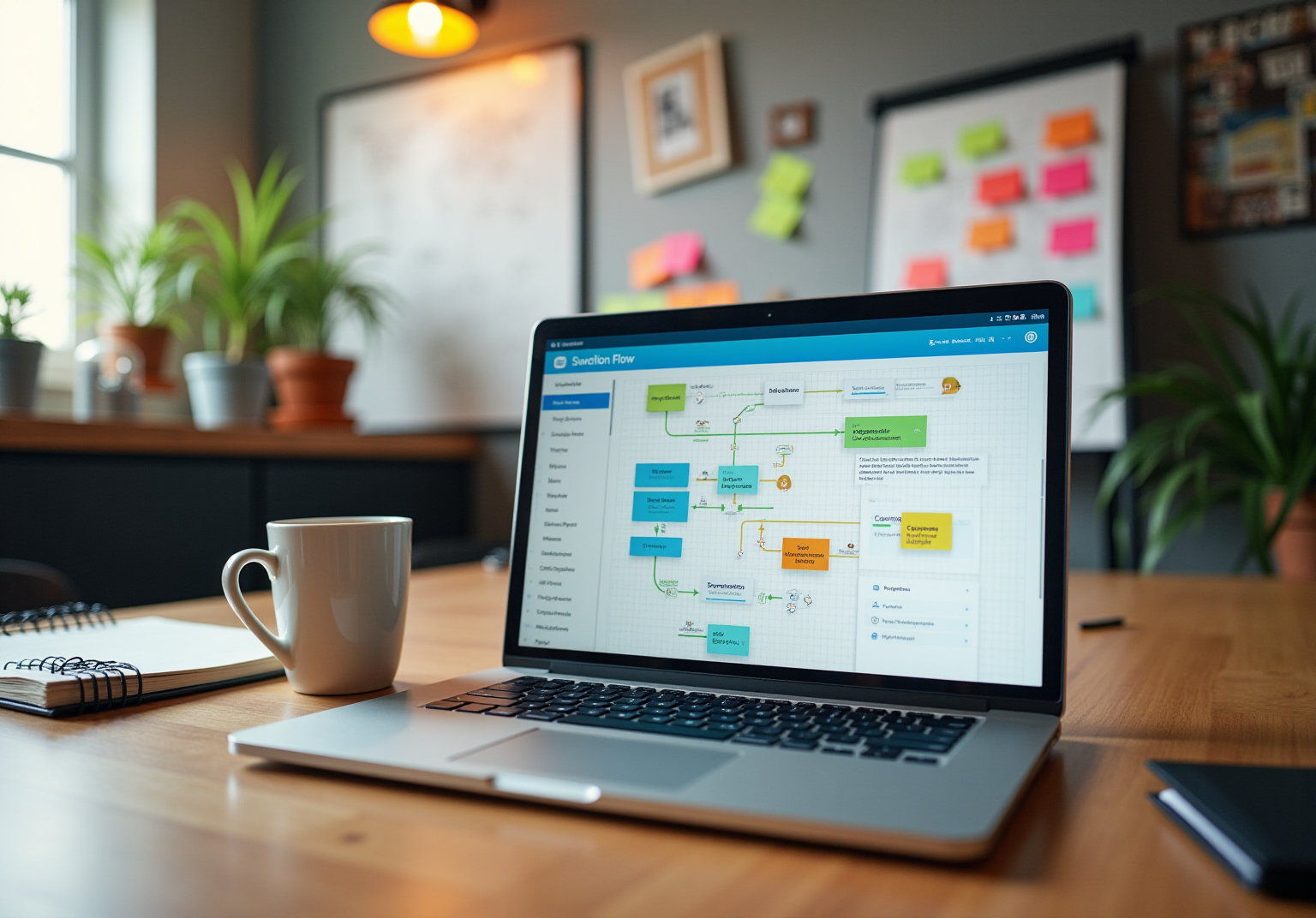
Speaking of efficiency, with SowFlow's instant documentation solution, teams can whip up and share their workflows in just seconds. Imagine having the right documents at your fingertips! Plus, by using visual elements like color coding and specific shapes, you can make your process maps super readable, which is a big win when it comes to communicating complex workflows.
As operations managers often point out, spotting bottlenecks through process visualization is key to keeping everything running smoothly and ensuring resources are used wisely. So, why not give it a shot? You might just find that it transforms the way you work!

Checklists: Streamlining Task Management and Operational Reliability
You might be wondering how checklists can really make a difference in your daily tasks. Well, let me tell you, they’re invaluable tools that can streamline your task management and boost operational reliability. By breaking down complex tasks into manageable steps, checklists significantly lower the chance of mistakes and help everyone take responsibility. Think of them as essential reminders for those critical actions we sometimes forget. They can be used in all sorts of areas, from project management to your everyday operations. For example, did you know that the WHO Surgical Safety Checklist has been credited with reducing surgical complications by 36% and deaths by 47%? That’s a huge impact, saving countless lives around the globe! It really shows how structured checklists can shine in high-stakes environments.
Now, let’s talk about how organizations across different sectors have jumped on the checklist bandwagon to improve their operational reliability. In aviation, pre-flight checklists have made commercial air travel the safest way to get around. And in construction, daily safety checklists have dramatically cut down on workplace injuries. These examples highlight that checklists not only boost efficiency but also create a culture of thoroughness and attention to detail among teams.
Current data shows that over 80% of professionals spend more than half their time on rework. That’s a clear sign that we need effective task management tools like checklists! By encouraging a disciplined approach to task execution, checklists empower teams to focus on what really matters, leading to better performance and less chaos. Experts agree that a well-crafted checklist is tailored to its users and promotes teamwork, ensuring that all necessary steps are followed consistently. Plus, regular reviews and tweaks to checklists are key to keeping them effective. So, in a nutshell, checklists aren’t just tools for ticking off tasks; they’re foundational elements that drive operational excellence.

Templates: Flexible Solutions for Diverse Workflow Needs
You might be wondering why templates are such a big deal when it comes to creating consistent and efficient documentation. Well, they’re like your trusty sidekick in various workflows! Templates give you a structured format that’s super easy to customize for whatever you need - be it SOPs, training manuals, or project plans. By using templates, organizations can save a ton of time on document creation and make sure all the important info is included.
Speaking of that, let’s talk about SowFlow. It really empowers teams with an easy creation experience, making user guide development a breeze and allowing for instant updates. This flexibility means teams can quickly adapt to changing requirements while keeping their written materials top-notch. It’s all about boosting productivity and simplifying process standardization.
For instance, SowFlow’s intuitive interface lets users modify templates with just a few clicks. This way, documentation stays relevant and in line with organizational standards. So, if you’re looking to streamline your documentation process, why not give templates a shot? You might just find they make your life a whole lot easier!

Training Manuals: Facilitating Knowledge Transfer and Employee Onboarding
You might be wondering why training manuals are such a big deal. Well, they’re essential tools for helping new employees get up to speed and ensuring that knowledge flows smoothly within your organization. These handy documents lay out company policies, procedures, and best practices, making it easier for newcomers to settle into their roles. When companies invest in clear and engaging training manuals, they can really boost employee performance and retention. In fact, businesses with solid onboarding processes have seen a whopping 2.5 times increase in revenue and a 1.5 times increase in profit! That’s some serious motivation to get those manuals right.
Now, let’s talk about how effective training manuals can be ongoing resources. They promote continuous learning and development, which is super important in today’s fast-paced work environment. Did you know that 89% of employees feel that a great onboarding process makes them more engaged at work? That engagement leads to a stronger commitment to their employer. And here’s a fun fact: employees who go through effective onboarding are 30 times more likely to report job satisfaction compared to those who don’t have such a great experience. So, by prioritizing the quality of your training manuals, you’re not just enhancing knowledge transfer; you’re also fostering a culture of growth and retention that drives operational efficiency.
Speaking of efficiency, have you heard about SowFlow? It’s revolutionizing the way we create SOPs and training materials. You can whip them up right in your browser, which means no more juggling separate screenshots and wasting time. This streamlined approach not only simplifies the documentation process but also serves as a valuable resource for employees, encouraging ongoing learning and development within the organization.

Project Plans: Structuring Workflows for Successful Project Execution
You might be wondering why project plans are such a big deal. Well, think of them as your roadmap - they lay out the scope, objectives, and tasks you need for a successful project. By clearly defining roles, responsibilities, and timelines, these plans help everyone stay organized and focused on what really matters. Research shows that when teams have organized project plans, collaboration improves significantly, creating a more cohesive working environment.
For example, organizations that embrace formal project management methods are 28% less likely to go over budget. That’s a pretty compelling reason to get your planning right! Plus, effective project planning doesn’t just boost results; it also encourages teams to take more responsibility, leading to a smoother workflow. As project managers often say, clarity in planning is key. Without it, teams can easily drift into aimlessness and inefficiency.
Did you know that companies using project management tools complete 61% of their projects on time? That really highlights how structured plans can help you hit those deadlines. Now, let’s talk about how SowFlow can make this process even easier. It allows you to create and manage records effortlessly, so your team can organize files quickly and find answers in a snap. With unlimited access to all features, dedicated customer success agents, and training in best practices, SowFlow empowers you to build a solid documentation system.
As Eleanor Roosevelt wisely said, 'It takes as much energy to wish as it does to plan.' This really drives home the importance of planning in project management. By investing in structured project plans and leveraging SowFlow's innovative platform, you can achieve better project outcomes and drive your operational success.

Meeting Notes: Documenting Discussions for Effective Communication
You might be wondering why meeting notes are such a big deal. Well, they’re essential for keeping track of discussions, decisions, and action items that pop up during group meetings. By jotting down key points and follow-up tasks, these notes help everyone stay on the same page and accountable for their roles. Did you know that research shows organizations with structured note-taking practices see a boost in accountability? In fact, 65% of folks say meeting minutes are taken and shared in their workplaces. Plus, 22% of respondents mentioned they spend over half their workweek in meetings! That really highlights how crucial effective note-taking is for managing time and keeping everyone accountable.
Now, let’s talk about how effective note-taking can improve communication and cut down on misunderstandings. For example, using digital tools like Google Docs for taking minutes allows everyone to collaborate in real-time. Imagine multiple attendees being able to view and contribute to the notes simultaneously! This not only helps track progress over time but also makes it easy to refer back to important discussions when needed. It really fosters a culture of transparency and accountability. And with SowFlow's instant documentation solution, groups can share their workflows in seconds, making sure the right documents are always at hand. That’s a game-changer for streamlining processes and sharing knowledge!
Organizations that make effective note-taking a priority often see better alignment among team members. Take, for instance, a global pharmaceutical company that faced a major transition. They used structured meeting notes to engage employees and clarify roles during this change. The result? Increased confidence and a stronger connection to their mission, as shown by positive feedback in surveys.
In summary, keeping a thorough record of meeting notes is vital for tracking progress and ensuring everyone on the team is informed and engaged. By adopting effective note-taking strategies and leveraging SowFlow's solutions for quick access to documentation, businesses can boost their operational efficiency and create a more collaborative work environment. So, what are you waiting for? Let’s dive into those note-taking practices!

Reports: Analyzing Performance and Outcomes for Continuous Improvement
You might be wondering why reports are such a big deal when it comes to evaluating performance and results in organizations. Well, they’re pretty essential! By gathering and presenting data systematically, reports shine a light on trends, successes, and those pesky areas that need a bit of work. Regular reporting helps teams make smart, data-driven decisions and tweak their strategies to boost operational efficiency.
Now, let’s talk about how effective reporting practices can really change the game. They create a culture of accountability and continuous improvement, which means organizations can stay agile and adapt to whatever comes their way. Speaking of that, have you heard about SowFlow? It’s a real game changer for record-keeping! Clients have found that it makes developing Standard Operating Procedures (SOPs) and training materials a breeze.
One product owner even said, "SowFlow has been a game changer in the way we record work and deliver to our clients. I don’t have to take each screenshot separately, and I don’t even have to leave the browser while creating SOPs and training materials!" How cool is that? This kind of efficiency not only saves time but also boosts overall productivity, which is a win-win for operations managers looking to improve performance analysis and decision-making.

Policy Documents: Establishing Guidelines for Compliance and Standards
You might be wondering why policy records are such a big deal. Well, they’re crucial for setting up guidelines that help everyone stick to legal and regulatory standards. These records lay out what’s expected from employees, which can really cut down on risks and keep things running smoothly. For example, companies that have solid compliance policies in place can lower their chances of running into non-compliance issues - those pesky problems that can lead to fines and a hit to their reputation.
Now, let’s talk about keeping those policies fresh. Regularly reviewing and updating them is key! It makes sure they stay relevant and effective in guiding how employees behave and make decisions. Did you know that 62% of consumers are more likely to engage with companies that show they care about data protection and compliance? By fostering a culture of accountability with clear and easy-to-understand policy documents, organizations can boost their operational efficiency and build trust with everyone involved.
So, effective compliance practices don’t just protect the organization; they also make things run smoother and keep employees more engaged. It’s a win-win!

Conclusion
You might be wondering just how important workflow documentation really is. Well, let me tell you, it can make a world of difference! With the right tools and a structured approach, like SowFlow, you can seriously boost your operational efficiency. Imagine streamlining your processes, cutting down on time spent on tasks, and making sure everyone on your team has the latest info at their fingertips. It’s all about creating a productive culture where everyone’s on the same page, working toward those common goals.
Now, let’s talk about the different types of workflow documents you might encounter. We’re looking at things like:
- Standard Operating Procedures (SOPs)
- Process maps
- Checklists
- Templates
- Training manuals
- Project plans
- Meeting notes
- Reports
- Policy documents
Each of these plays a vital role in keeping things consistent, accountable, and clear within your organization. And guess what? Data shows that companies using these documentation strategies see some pretty impressive boosts in productivity, compliance, and overall performance.
So, what’s the takeaway here? Implementing effective workflow documentation isn’t just about being organized; it’s about building a framework that supports continuous improvement and operational excellence. As the business world keeps changing, investing in tools like SowFlow and sticking to solid documentation practices will help your organization adapt and thrive. Why not embrace these strategies today? You’ll unlock the full potential of your operations and drive your success forward!
Frequently Asked Questions
What is SowFlow and how does it enhance efficiency in workflow document creation?
SowFlow is a tool that allows users to quickly create workflow documents, saving time and ensuring records are always fresh and relevant. It enables teams to capture processes directly from their browser, facilitating the creation of detailed how-to guides and standard operating procedures (SOPs) without the chaos of traditional methods.
What are the benefits of using automated workflows according to the article?
Companies that have adopted automated workflows have experienced a 90% reduction in processing time, leading to quicker decision-making. Additionally, organizations using management systems have reported a 21% increase in productivity.
How does SowFlow support remote work for employees?
SowFlow provides a user-friendly interface that allows 80% of employees to access files on the go, ensuring smooth operation regardless of location. This capability helps teams create and update documents on the fly, reducing the chances of using outdated information.
Why are Standard Operating Procedures (SOPs) important for organizations?
SOPs are crucial for ensuring team members execute tasks consistently and efficiently, reducing errors and improving quality control. They serve as a reference guide for employees, helping maintain compliance with industry standards and regulations.
What impact do effective SOPs have on compliance and accountability?
Companies with solid SOP programs see a 25-30% reduction in audit findings and a 40% decrease in compliance violations when using automated tracking systems. SOPs also promote a culture of accountability and continuous improvement within teams.
How can SOPs contribute to uniformity across different departments?
SOPs help reduce discrepancies in task performance across departments, fostering a cohesive work environment. By involving knowledgeable staff in their creation and updates, organizations can ensure SOPs remain relevant and accurate.
What are process maps and how do they benefit workflow visualization?
Process maps are visual representations of workflows that help teams understand processes from start to finish. They allow for the identification of bottlenecks, redundancies, and areas for improvement, ultimately streamlining operations and boosting productivity.
How does SowFlow facilitate the creation of process maps?
SowFlow's instant documentation solution enables teams to quickly create and share workflows, using visual elements like color coding and specific shapes to enhance readability and communication of complex workflows.
What efficiency gains have organizations reported from using process mapping?
Organizations that implement process mapping have reported efficiency gains of up to 30%, as it helps in identifying and addressing bottlenecks in workflows.
👍
What others are liking


5 Steps to outline your ideal documentation structure
5 MINS READ
Where to start the your journey of mapping out your ideal documentation structure, aligning it with the very heartbeat of your organization?
Defining a winning level of detail in your process
3 MINS READ
What is too much detail, and what is too little? This article described in that winning level detail about what detail is enough.


