

Automation and Documentation
|
March 9, 2026
|

10 Essential Hospital SOPs for Streamlined Operations Management
Key Highlights:
- Implementing Patient Enrolment SOPs ensures smooth collection of patient information, insurance verification, and appointment scheduling.
- Using SowFlow enhances document accessibility, reduces errors, and improves patient experience through standardised procedures.
- Regular review and updates of hospital SOPs are crucial for relevance and effectiveness, especially after safety incidents.
- Infection Control SOPs focus on hand hygiene, PPE use, cleaning protocols, and staff training to maintain safety standards.
- Surgical Procedure SOPs detail every phase of surgery, improving communication and coordination among surgical teams.
- Medication Management SOPs include checking allergies, monitoring adverse reactions, and thorough documentation to prevent errors.
- Appointment Scheduling SOPs streamline booking processes and improve efficiency with automated reminders and updates.
- Staff Training SOPs are essential for onboarding and ongoing education, contributing to higher retention rates and better care outcomes.
- Quality Control SOPs involve audits, client feedback, and corrective actions to maintain high care standards.
- Emergency Response SOPs clarify roles and communication protocols during crises, enhancing preparedness and patient safety.
- Effective Documentation Control SOPs utilise centralised document management systems to ensure compliance and reduce errors.
- SowFlow improves SOP management through real-time documentation, version control, and centralised access, leading to better patient care and reduced operational costs.
Introduction
Navigating the complexities of hospital operations can feel like a daunting task, right? That’s why having a sharp focus on efficiency and safety is so crucial, making Standard Operating Procedures (SOPs) absolutely essential. These guidelines not only help streamline processes but also boost patient care by ensuring that every team member knows their role and responsibilities.
But here’s a question for you: with the ever-changing landscape of healthcare, how can hospitals keep their SOPs relevant and effective? In this article, we’ll dive into ten crucial hospital SOPs that can really transform operations management. We’ll share insights into best practices that can lead to improved patient outcomes and operational excellence. So, let’s get started!
Implement Patient Enrollment SOPs
You might be wondering why implementing Patient Enrollment procedures is such a big deal for hospitals. Well, these hospital SOPs are essential for ensuring everything runs smoothly. They should clearly outline how to collect patient information, verify insurance details, and schedule those all-important initial appointments. And let’s not forget about defining specific roles for the staff involved in this process. It’s all about ensuring accountability and sticking to privacy regulations, right?
Now, here’s where it gets interesting. By using SowFlow's immediate record-keeping solution, your team can save documented workflows in a shared workspace. Imagine this: staff can access the right files in just seconds! This streamlined access not only cuts down on errors but also makes the whole user experience a lot better. Plus, standardizing these procedures according to the hospital SOP helps create a consistent approach to healthcare, which can lead to happier patients.
But wait, there’s more! Regularly reviewing and updating the hospital SOP is key to keeping them relevant and effective, especially after any safety incidents or changes in regulations. And let’s not overlook the importance of thorough training for staff on the hospital SOP procedures. It’s essential for making sure everyone’s on the same page and following through. As many healthcare professionals will tell you, a well-organized enrollment procedure is vital for creating a professional image and ensuring that individuals get the care they need, and fast!

Establish Infection Control SOPs
You might be wondering how to keep infection control procedures effective and engaging for your team. Well, it’s all about incorporating some key guidelines! First off, hand hygiene is a must, along with the proper use of personal protective equipment (PPE). And don’t forget about the protocols for cleaning and disinfecting care areas - these are crucial for keeping everyone safe.
Now, let’s talk about training. Regular sessions should be a staple in your routine to keep staff updated on the latest infection control practices. It’s not just about checking a box; it’s about ensuring everyone feels confident and informed. Plus, the hospital SOP should also cover how to report and handle infection outbreaks. After all, being prepared is half the battle, right?
So, how can you make this all work? Consider creating a friendly environment where questions are encouraged, and everyone feels part of the solution. This way, you’re not just implementing procedures; you’re fostering a culture of safety and awareness!

Create Surgical Procedure SOPs
You might be wondering how surgical procedure guidelines can really make a difference in the operating room. Well, they need to cover every single phase of the surgical process-from those all-important pre-operative checks to how we position patients and what happens after surgery. It’s crucial that these guidelines clearly spell out what each team member is responsible for, so everyone knows their role in the surgical team.
Now, imagine having SowFlow's instant documentation solution at your fingertips. Your team can share and access these essential procedures in just seconds! This means they can respond effectively and efficiently when it matters most. As seasoned surgeons often say, "The most significant outcome of any surgical procedure is a living individual." This really drives home the point that having clear protocols is key to improving communication and coordination in the OR.
But it doesn’t stop there! Regularly evaluating and updating the hospital SOP is vital. Why? Because new methods and technologies are always emerging. Research has shown that implementing a control chart-based program can lead to a significant drop in major adverse events and patient fatalities after surgery. As we approach 2026, this becomes even more important, especially with the shift towards outpatient surgery, which demands even greater precision and clarity in our practices. So, let’s keep those protocols sharp and ready for action!

Develop Medication Management SOPs
Medication Management guidelines are super important for setting up clear procedures when it comes to prescribing, dispensing, and administering medications. You might be wondering what these guidelines should cover. Well, they should definitely include key steps like:
- Checking for patient allergies
- Keeping an eye out for any adverse reactions
- Carefully documenting each medication administration
Regular audits? Absolutely essential! They help organizations stick to these procedures, pinpoint areas that need a little TLC, and boost overall compliance.
Now, let’s talk about SowFlow. With this tool, teams can easily create and update their SOPs, making sure that records are always relevant and easy to access. One Product Owner put it perfectly: "SowFlow has been a game changer in the way we document work and deliver to our clients." This really highlights how SowFlow simplifies record-keeping, which in turn ramps up productivity.
Looking ahead, recent updates in medication administration protocols for 2026 stress the need for structured documentation practices. Why does this matter? Well, effective standard operating procedures can help cut down on medication mistakes-responsible for a whopping 22% of hospital readmissions-and foster a culture of safety in healthcare settings. By putting robust hospital SOPs for medication management in place, hospitals can seriously improve safety outcomes and streamline their operations.
And let’s not forget about the importance of documenting medication administration processes. Accurate records are key for ensuring continuity of care and provide crucial info for evaluating treatment. Industry experts emphasize that thorough documentation is vital for reducing malpractice risks and ensuring timely reimbursement. Did you know that 95% of appropriate reimbursement is tied to good documentation practices?
So, incorporating these elements into your medication management protocols isn’t just about ticking boxes. It’s about enhancing operational efficiency and ultimately leading to better patient outcomes. Let’s work towards a more structured and compliant healthcare environment together!

Implement Appointment Scheduling SOPs
You might be wondering why establishing appointment scheduling guidelines is so important. Well, it’s all about making the process of booking, rescheduling, and canceling appointments as smooth as possible. With SowFlow's innovative scheduling software, you can automate reminders and confirmations, which means your team can work more efficiently than ever.
Speaking of efficiency, SowFlow also lets you create user guides with ease. This means you can update your hospital SOPs on the fly as things change. How cool is that? Not only does this streamline process standardization, but it also makes onboarding and knowledge sharing among your staff a breeze.
Now, let’s talk about training your team on these procedures. It’s crucial for ensuring everyone is on the same page according to the hospital SOP, which ultimately saves time and enhances the overall patient experience. So, why not take a moment to think about how these guidelines could transform your practice?
Establish Staff Training SOPs
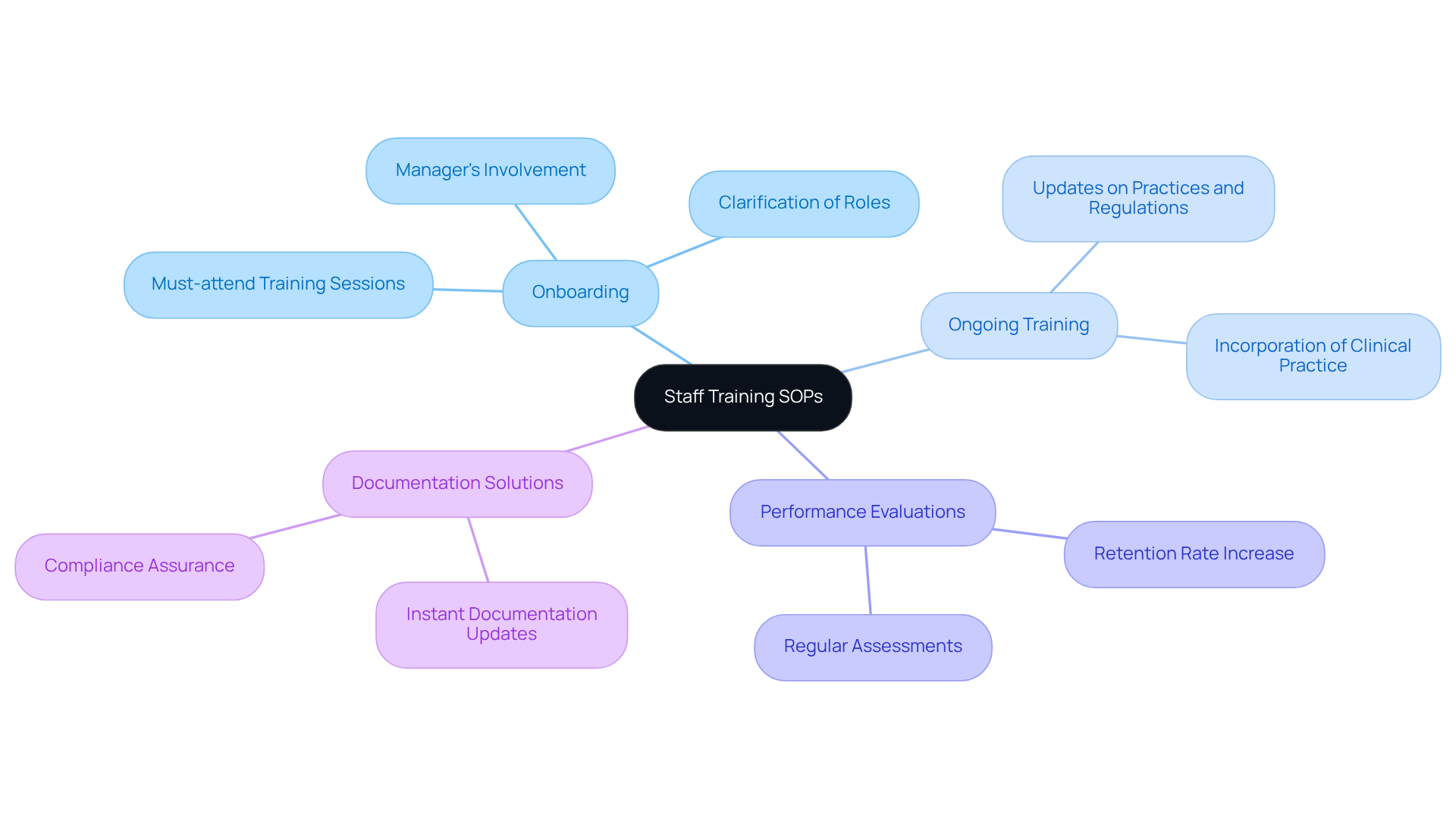
You might be wondering why establishing comprehensive Staff Training procedures is such a big deal for healthcare employees. Well, let’s break it down! These hospital SOPs are essential for effective onboarding and ongoing development. They should clearly outline how new hires get settled in, detailing those must-attend training sessions that cover everything from hospital SOP to safety protocols.
But it doesn’t stop there! Ongoing training is just as important. We need to make sure that staff stay updated on the latest practices and regulations. Regular evaluations of staff performance? Absolutely essential! They help us assess how well our training initiatives are working.
Now, here’s where it gets interesting. By using SowFlow's instant documentation solution, organizations can whip up and keep training materials fresh and relevant. This means any changes in procedures or regulations are reflected right away, ensuring compliance and boosting operational efficiency. Did you know that research shows organizations with organized onboarding systems can see a retention rate increase of up to 52%? That’s huge! It really highlights how effective training can foster employee commitment and satisfaction.
As Benjamin Loevinsohn pointed out, investing in training doesn’t just enhance staff performance; it also leads to better care outcomes. So, it’s clear that effective training is a must-have in healthcare management. Now, let’s dive into how you can implement these strategies in your organization!
Create Quality Control SOPs
Quality Control procedures are super important for keeping an eye on the quality of care in hospitals. You might be wondering, what exactly do these procedures involve? Well, they typically include:
- Regular audits
- Gathering client feedback
- Taking corrective actions when necessary
Plus, training staff on the hospital SOP is crucial to ensure everyone knows their role in maintaining those quality standards.
Now, let’s think about this: effective quality control practices not only boost operational efficiency but also have a big impact on satisfaction scores from patients. Involving patients in quality monitoring activities can really help create a culture of continuous improvement in healthcare facilities. Speaking of improvements, Anastasia Masadi, a Product Owner, shared her experience:
"SowFlow has transformed the way we document work and deliver to our clients. I no longer need to take each screenshot individually or exit the browser while producing standard operating procedures and training materials. SowFlow has truly given me time back in my life."
This really demonstrates how SowFlow can enhance efficiency and streamline the hospital SOP creation process. It makes it so much easier for teams to keep those high-quality standards in check. So, if you’re looking to improve your documentation process, why not explore how tools like SowFlow can help you out?

Develop Emergency Response SOPs
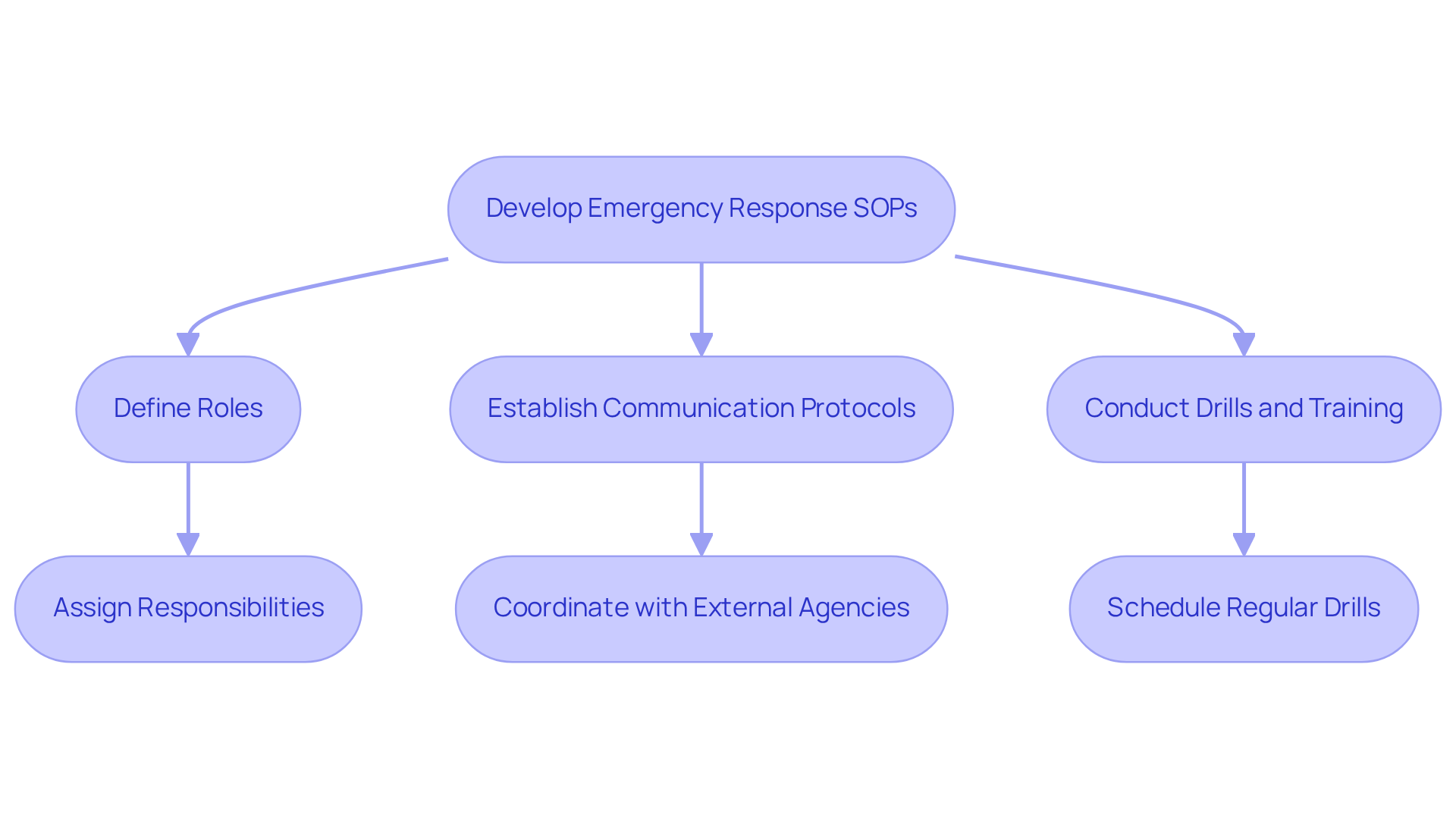
You might be wondering why Emergency Response procedures are such a big deal. Well, they’re absolutely vital for handling all sorts of crises - think natural disasters, medical emergencies, and even security threats. It’s super important that these procedures clearly outline who does what, so everyone knows their specific roles when the heat is on.
Now, let’s talk about communication. Having solid protocols for coordinating with external agencies is key to making sure everything runs smoothly and efficiently during an emergency. And don’t forget about regular drills and training sessions! These are crucial for getting everyone ready. They not only help staff get familiar with the procedures but also build a culture of preparedness.
This proactive approach really helps cut down on chaos when emergencies strike. It ensures that healthcare facilities can keep things running and, most importantly, protect patient care in accordance with the hospital SOP. So, how prepared is your team? It might be time to take a closer look!
Implement Documentation Control SOPs
You might be wondering why effective documentation control procedures, as outlined in the hospital SOP, are so important in a hospital setting. Well, they’re essential for creating, reviewing, and updating policies and procedures clearly. A centralized document management system (DMS) is key here. It helps with version control and makes sure everyone has easy access to the latest documents. This not only boosts compliance but also cuts down on the risk of errors that come from using outdated information.
Now, let’s talk about SowFlow. With this tool, teams can whip up user guides in no time and refresh materials instantly. This means all content stays relevant, especially in the fast-paced world of healthcare. Are regular audits included in the hospital SOP? Absolutely, the hospital SOP is essential! They should be part of the routine to check how well everyone is following the hospital SOP and to identify areas for improvement.
Did you know that organizations using a centralized DMS see a 21% rise in productivity? That’s pretty significant! It really highlights how crucial efficient record-keeping practices are in healthcare. Plus, good record management is linked to better patient outcomes. When healthcare professionals have quick access to accurate information, it leads to improved decision-making and operational efficiency. So, what’s holding you back from exploring these solutions?

Leverage SowFlow for SOP Management
You might be wondering how to make the creation and management of hospital SOPs in healthcare a breeze. Well, let me introduce you to SowFlow! This platform streamlines the whole process, allowing hospital staff to document everything in real-time with its super intuitive interface.
With features like version control and centralized access, everyone on the team can get their hands on the latest info right when they need it. Imagine cutting down on record-keeping time and easily updating procedures - sounds great, right? By bringing SowFlow into the mix, hospitals can boost their operational efficiency in line with hospital SOP while reducing administrative headaches.
But it gets better! This approach not only lightens the load but also builds a culture of compliance and knowledge retention. In the end, that means better patient care and smoother workflows. Did you know that organizations that nail their SOP management can see up to a 30% drop in operational costs? Plus, according to McKinsey, companies with clearly defined SOPs outshine their competitors by 31%. That really highlights how crucial effective documentation, as outlined in the hospital SOP, is in healthcare. So, why not explore how SowFlow can help you tackle your documentation challenges?

Conclusion
Implementing essential hospital standard operating procedures (SOPs) is super important for boosting operational efficiency and ensuring top-notch patient care. You might be wondering how this works, right? Well, by setting clear guidelines across various functions - like patient enrollment, infection control, surgical procedures, medication management, appointment scheduling, staff training, quality control, emergency response, and documentation control - hospitals can really streamline their operations, cut down on errors, and ultimately improve patient satisfaction.
This article has highlighted the significance of each SOP category, and it’s clear that regular updates, thorough training, and innovative tools like SowFlow are key for effective SOP management. Think about it: from creating a culture of safety through infection control practices to ensuring precise surgical protocols and robust medication management, each SOP plays a vital role in the healthcare ecosystem. Plus, leveraging technology not only simplifies the documentation process but also helps staff stay compliant and retain knowledge better.
Now, as the healthcare landscape keeps evolving, prioritizing the development and implementation of comprehensive SOPs is more crucial than ever. By adopting these best practices, hospitals can enhance their operational management and significantly improve patient outcomes. Embracing these strategies will pave the way for a more efficient, safer, and patient-centered healthcare environment, ultimately leading to better care and higher satisfaction rates. So, let’s keep pushing for those improvements!
Frequently Asked Questions
Why are Patient Enrollment SOPs important for hospitals?
Patient Enrollment SOPs are essential for ensuring smooth operations in hospitals by outlining how to collect patient information, verify insurance details, and schedule initial appointments while defining specific staff roles to ensure accountability and compliance with privacy regulations.
How does SowFlow's record-keeping solution enhance patient enrollment?
SowFlow's immediate record-keeping solution allows teams to save documented workflows in a shared workspace, enabling staff to access the right files quickly, reducing errors, and improving the overall user experience.
What is the significance of regularly reviewing and updating hospital SOPs?
Regularly reviewing and updating hospital SOPs is crucial for maintaining their relevance and effectiveness, especially after safety incidents or changes in regulations, ensuring that procedures remain current and effective.
Why is training important for staff regarding hospital SOP procedures?
Thorough training ensures that all staff members are on the same page and effectively follow the hospital SOP procedures, which is vital for creating a professional image and ensuring timely care for patients.
What key guidelines should be incorporated into Infection Control SOPs?
Infection Control SOPs should include hand hygiene, proper use of personal protective equipment (PPE), and protocols for cleaning and disinfecting care areas to maintain safety.
How can hospitals keep their infection control training effective?
Regular training sessions should be held to keep staff updated on the latest infection control practices, fostering confidence and awareness among team members.
What should be included in Surgical Procedure SOPs?
Surgical Procedure SOPs should cover every phase of the surgical process, including pre-operative checks, patient positioning, and post-surgery procedures, clearly defining the responsibilities of each team member.
How does SowFlow's documentation solution benefit surgical teams?
SowFlow's instant documentation solution allows surgical teams to share and access essential procedures quickly, improving communication and coordination in the operating room.
Why is it important to evaluate and update Surgical Procedure SOPs regularly?
Regular evaluation and updating of Surgical Procedure SOPs are vital due to the emergence of new methods and technologies, which can significantly reduce adverse events and improve patient outcomes.
What is the impact of a control chart-based program in surgical procedures?
Implementing a control chart-based program can lead to a significant decrease in major adverse events and patient fatalities after surgery, highlighting the importance of maintaining sharp and effective protocols.
👍
What others are liking


5 Steps to outline your ideal documentation structure
5 MINS READ
Where to start the your journey of mapping out your ideal documentation structure, aligning it with the very heartbeat of your organization?
Defining a winning level of detail in your process
3 MINS READ
What is too much detail, and what is too little? This article described in that winning level detail about what detail is enough.


