

Automation and Documentation
|
April 29, 2026
|

10 Essential Examples of SOP in Healthcare for Operations Managers
Key Highlights
- SowFlow is a documentation tool that streamlines the creation of SOPs in healthcare, enhancing efficiency and compliance.
- SOPs are essential for maintaining quality standards in healthcare, helping to reduce errors and improve patient care.
- Standardised clinical protocols boost safety by ensuring consistent procedures for patient assessment, treatment planning, and emergency handling.
- Effective SOPs in infection control significantly lower healthcare-associated infection rates, promoting a safer environment for patients and staff.
- Laboratory SOPs standardise testing procedures, leading to more reliable diagnostic results and improved patient outcomes.
- Emergency SOPs prepare healthcare facilities for crises, enhancing communication and resource management during critical situations.
- Well-structured HR SOPs improve onboarding processes, leading to higher employee retention and productivity rates.
- Equipment management SOPs ensure operational efficiency and compliance with health regulations, enhancing patient safety.
- Medication administration SOPs detail the five rights of medication delivery, reducing errors and improving patient safety.
- Incident reporting SOPs foster a culture of accountability and transparency, leading to better safety outcomes in healthcare settings.
- Telemedicine SOPs are crucial for delivering remote care while ensuring legal and ethical compliance, enhancing patient experiences.
Introduction
In the fast-paced world of healthcare, where every second counts and the stakes are incredibly high, you might be wondering just how crucial standard operating procedures (SOPs) really are. Well, let me tell you - they're absolutely essential! These structured guidelines not only boost operational efficiency but also play a vital role in ensuring patient safety, compliance with regulations, and improving the quality of care.
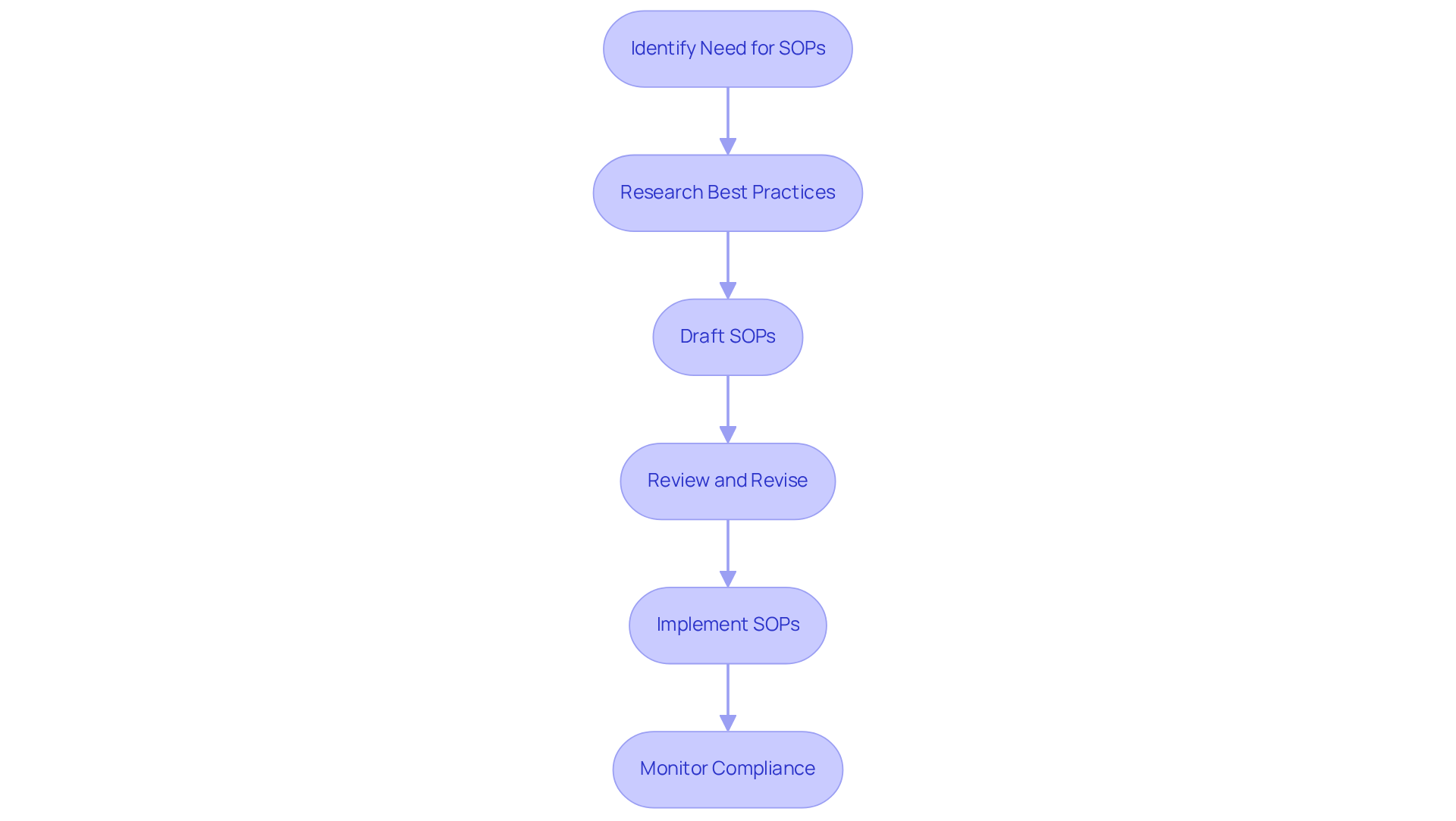
As operations managers navigate the complexities of healthcare delivery, a big question looms: how can they streamline SOP creation and maintenance to keep up with ever-evolving standards? This article dives into ten essential examples of SOPs in healthcare, showing you how they can transform medical operations while fostering a culture of accountability and excellence. So, let’s get started!
SowFlow: Streamlined SOP Creation for Healthcare
You might be wondering how to make your smoother, especially in a busy medical setting. Well, let me introduce you to SowFlow! This powerful is a game changer for developing examples of . With its advanced technology, SowFlow helps medical organizations generate detailed quickly, which are crucial for keeping up with quality standards and regulations.
Imagine being able to document workflows right from your browser! That’s what SowFlow offers. It’s user-friendly, making it easy for teams to create and update SOPs as needed. And let’s face it, ; they need regular reviews and updates based on feedback, new research, or changes in regulations. This streamlined process can save a ton of time-studies show that can ! That means more time for medical practitioners to focus on what really matters: providing outstanding care.
By incorporating examples of into daily tasks, medical organizations can , minimize errors, and foster a culture of security and responsibility. After all, without these protocols, team members can feel overwhelmed, which can really impact performance. So, why not explore how SowFlow can help you tackle your documentation challenges? It’s all about making your life easier and your work more effective!
Clinical SOPs: Ensuring Patient Safety and Care Quality
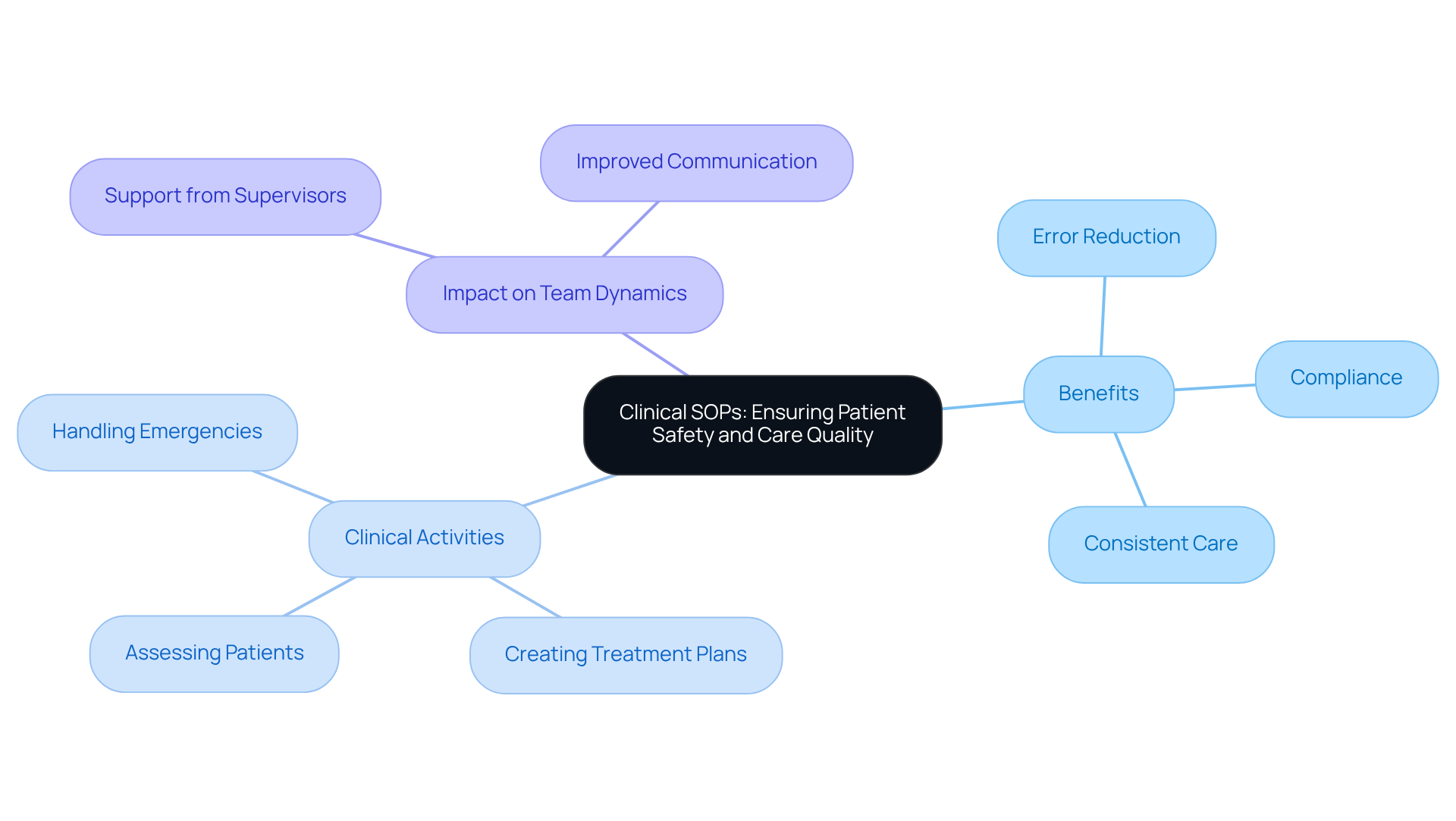
You might be wondering why are considered such a big deal. Well, they’re essential for making sure that providers stick to standardized protocols, which can really . These outline specific steps for various , such as assessing patients, creating treatment plans, and handling emergencies. By following these guidelines, medical professionals can , stay compliant with regulations, and provide across the board.
For instance, a recent study found that 74% of medical professionals felt supported by their supervisors when it came to prioritizing client welfare. This really highlights how organized procedures can positively impact team dynamics and client outcomes. Speaking of that, efficient clinical protocols have also shown to improve communication and collaboration. In fact, 75% of respondents reported having positive experiences when discussing patient error issues. This kind of environment allows healthcare providers to work together more effectively, ultimately leading to better care outcomes.
So, what should operations managers do? They should focus on developing and implementing examples of SOP in healthcare that within their organizations. This way, everyone on the team is ready to deliver the highest standard of care. As Anastasia Masadi, a Product Owner, put it, " and deliver to our clients. I no longer need to take each screenshot individually, nor do I have to exit the browser while creating and training materials. SowFlow has truly given me time back in my life." This really underscores the emotional side of care that SOPs can help enhance.
Infection Control SOPs: Preventing Healthcare-Associated Infections
You might be wondering why are such a big deal in healthcare. Well, they’re absolutely crucial for preventing . By establishing , sterilization, and care, we can create clear that truly make a difference. These procedures cover everything from hand hygiene to the proper use of and .
Now, when the are executed effectively, we see a significant drop in infection rates. That means a safer environment for both patients and healthcare workers! Operations managers have a key role here, making sure that all staff are well-trained in examples of SOP in healthcare and that compliance is monitored consistently.
Speaking of that, have you heard about SowFlow's ? They make it super easy for operations managers to create and update examples of SOP in healthcare. Imagine having immediate access to vital documentation right at your fingertips! This not only but also boosts overall productivity by keeping everyone informed and compliant with the latest protocols.
Ultimately, this all contributes to better health outcomes and can even help reduce long-term medical costs. So, let’s dive into how effective documentation can really change the game!

Laboratory and Diagnostic SOPs: Standardizing Testing Procedures
You might be wondering why are such a big deal. Well, they’re absolutely crucial for making sure that testing procedures are done consistently and accurately. These provide the nitty-gritty details on how to collect, handle, and analyze samples. And let’s be honest, having is key to getting .
By , medical organizations can really cut down on variability and mistakes. This means better outcomes for patients, which is what we all want, right? So, if you’re in , it’s time to focus on crafting that cover every aspect of laboratory testing. Not only will this boost operational efficiency, but it’ll also help you stay on top of .
Now, let’s dive into how you can make this happen!
Emergency and Disaster Response SOPs: Preparing for Critical Situations
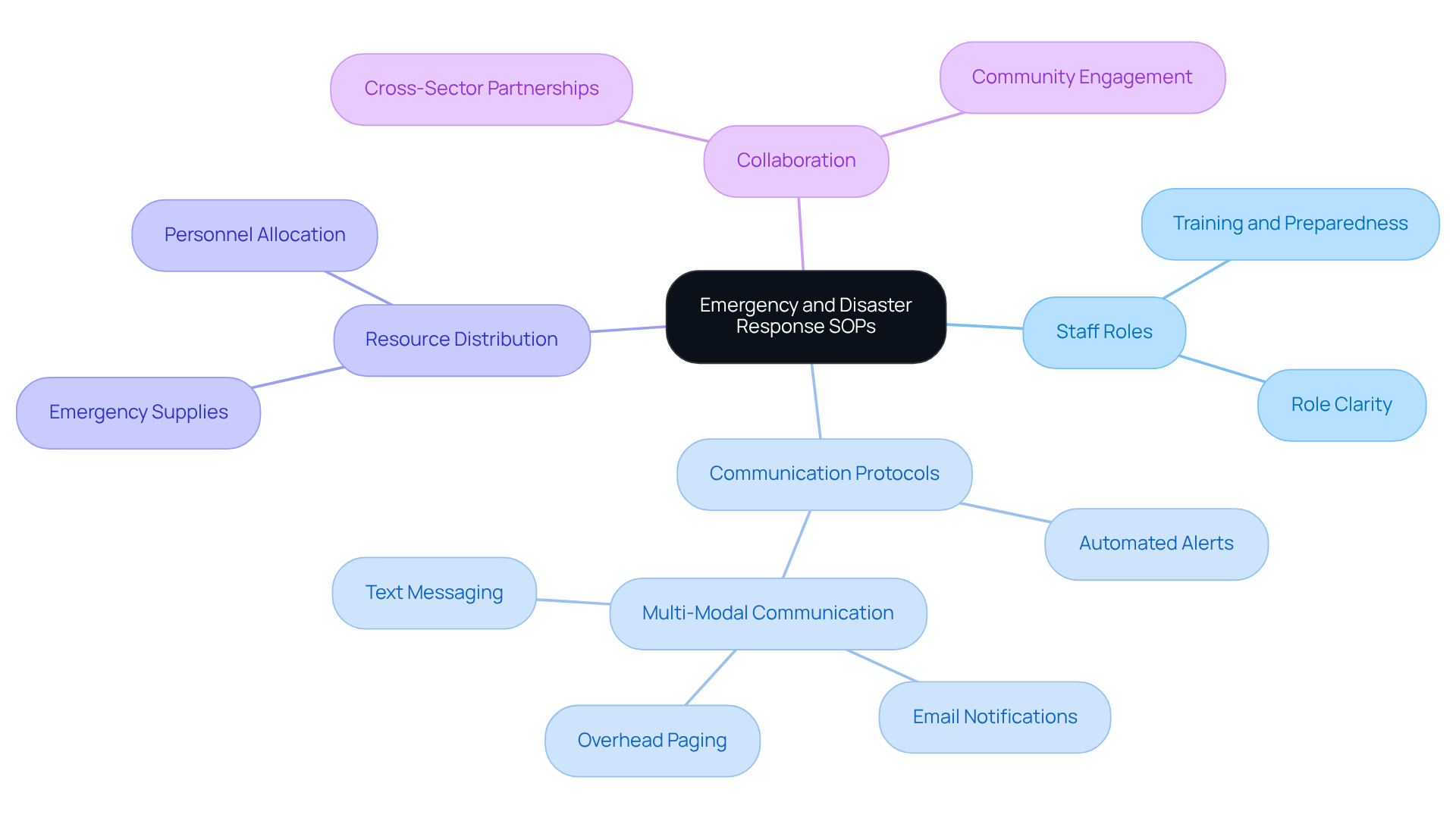
You might be wondering why , especially for emergency and disaster response, are such a big deal for healthcare facilities. Well, they’re absolutely crucial for navigating crises, whether it’s a natural disaster or a pandemic. These procedures serve as , detailing staff roles, communication protocols, and how resources are distributed during emergencies. This way, everyone’s on the same page, which helps minimize chaos and boosts patient care.
Take the Carolinas HealthCare System, for example. They revamped their , automating alerts to speed up response times and improve clarity. This change significantly reduced safety risks. It’s a great reminder that and update [examples of SOP in healthcare](https://aha.org/news/healthcareinnovation-thursday-blog/2022-12-15-next-wave-emergency-preparedness-health-care) to stay aligned with the latest best practices. After all, well-trained staff are key to executing these plans effectively.
Now, let’s talk about the importance of . The American Hospital Association points out that informative warnings can really help prevent panic and lead to better outcomes. By fostering a culture of readiness and building strong collaborations across sectors - something Keneatha Johnson emphasizes - medical organizations can . This ultimately protects both patients and staff.
And hey, if you’re looking to stay in the loop on , don’t miss the upcoming 2024 Disaster Planning Conference. It’s bound to offer some valuable insights for like you!
Human Resources and Training SOPs: Effective Staff Onboarding
You might be wondering how human resources and training procedures can really make a difference in the for new medical personnel. Well, these procedures are key! They lay out the steps for recruitment, orientation, and ongoing training, helping new hires fit right into the organization. When healthcare facilities set clear guidelines, they can , cut down turnover rates, and enhance overall performance.
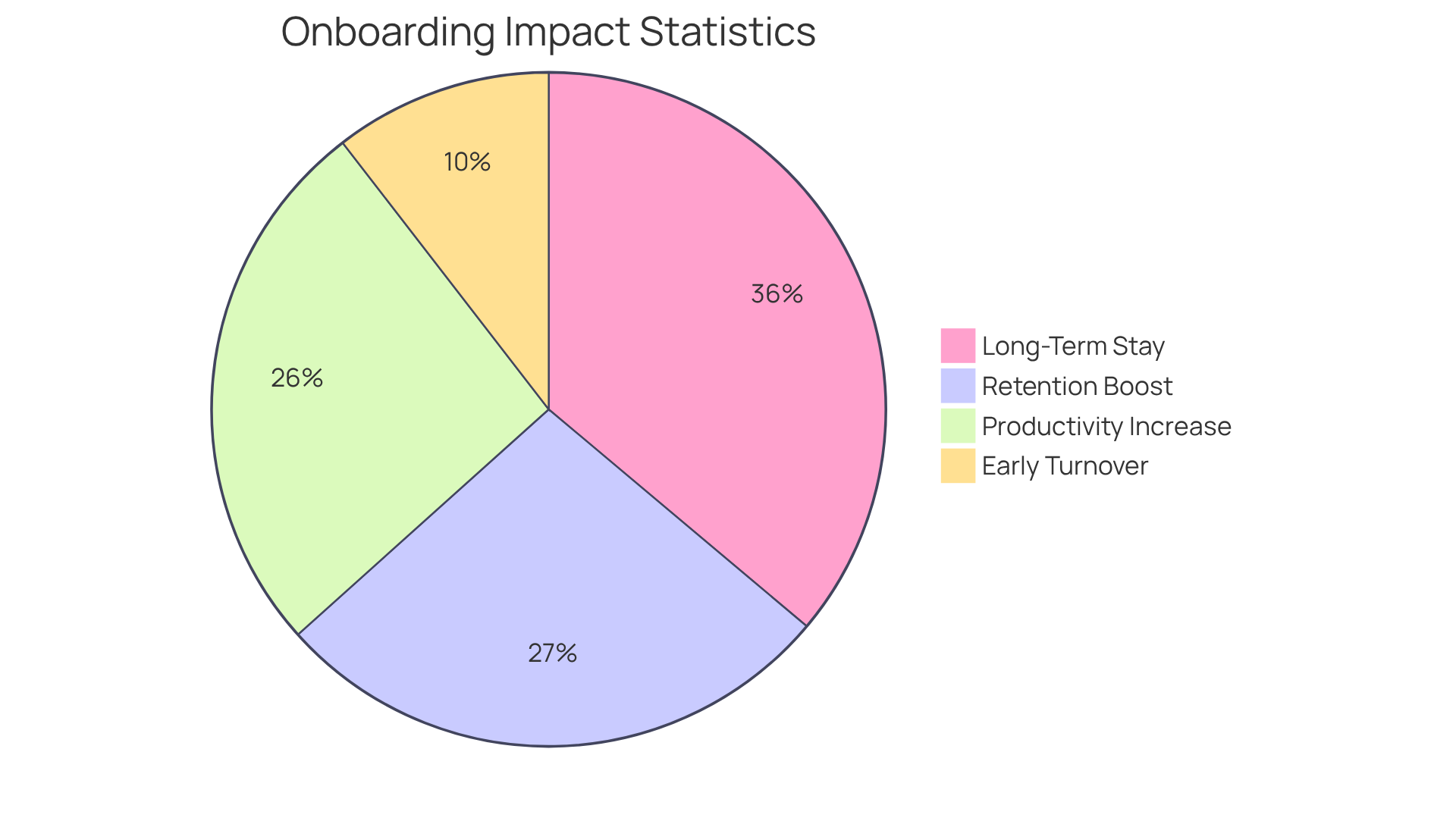
Research shows that organizations with see a whopping 50% increase in new hire productivity and a 52% boost in . Isn’t that impressive? Plus, 69% of employees who have a are likely to stick around for at least three years. That’s a long-term win for everyone involved!
Now, should really focus on creating thorough that not only support staff development but also align with the organization’s goals. This fosters a culture of commitment and engagement among employees. But here’s a kicker: only 12% of employees feel their organization has a good . That’s a clear sign that there’s room for improvement!
By establishing efficient , organizations can avoid the costs associated with poor onboarding. Did you know that 20% of employees leave within the first 45 days of employment? That’s a lot of lost potential! This is where SowFlow comes in. It can streamline the process, allowing to create and without the hassle of taking separate screenshots or leaving the browser.
Ultimately, prioritizing can lead to a staggering 2.5x revenue growth. So, it’s essential for operations managers to take action and make onboarding a priority!
Equipment and Facility Management SOPs: Ensuring Operational Efficiency
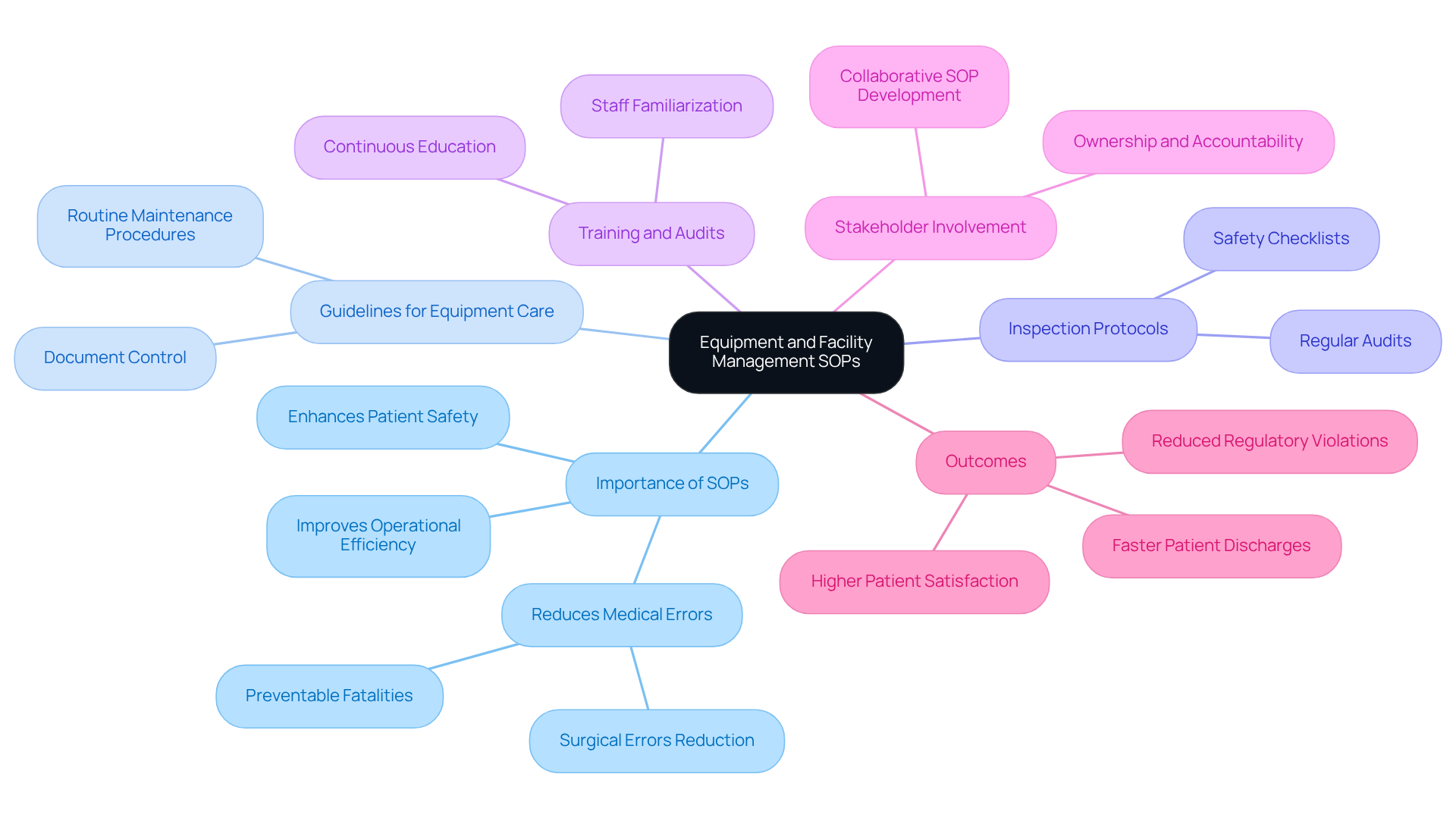
You might be wondering why procedures for managing equipment and facilities are so important in medical environments. Well, they’re absolutely crucial for keeping everything running smoothly and securely! These procedures serve as , detailing the guidelines for taking care of equipment, inspection protocols, and overall . By following the , organizations can not only comply with but also receiving care. For example, hospitals that have solid examples of SOP in healthcare in place report discharging patients up to 20% faster, all without skimping on care quality. That’s a win-win!
Now, to really make these procedures effective, should think about implementing regular . This way, all staff members can get familiar with the . It’s a proactive approach that helps create a culture of safety and enhances operational efficiency. When everyone knows the ropes, it cuts down on errors and variability in care delivery. Plus, involving stakeholders in crafting these procedures not only improves their quality but also encourages team members to take responsibility. Ultimately, this leads to . So, what do you think? Ready to dive into making your procedures even better?
Medication Administration SOPs: Ensuring Safe Patient Care
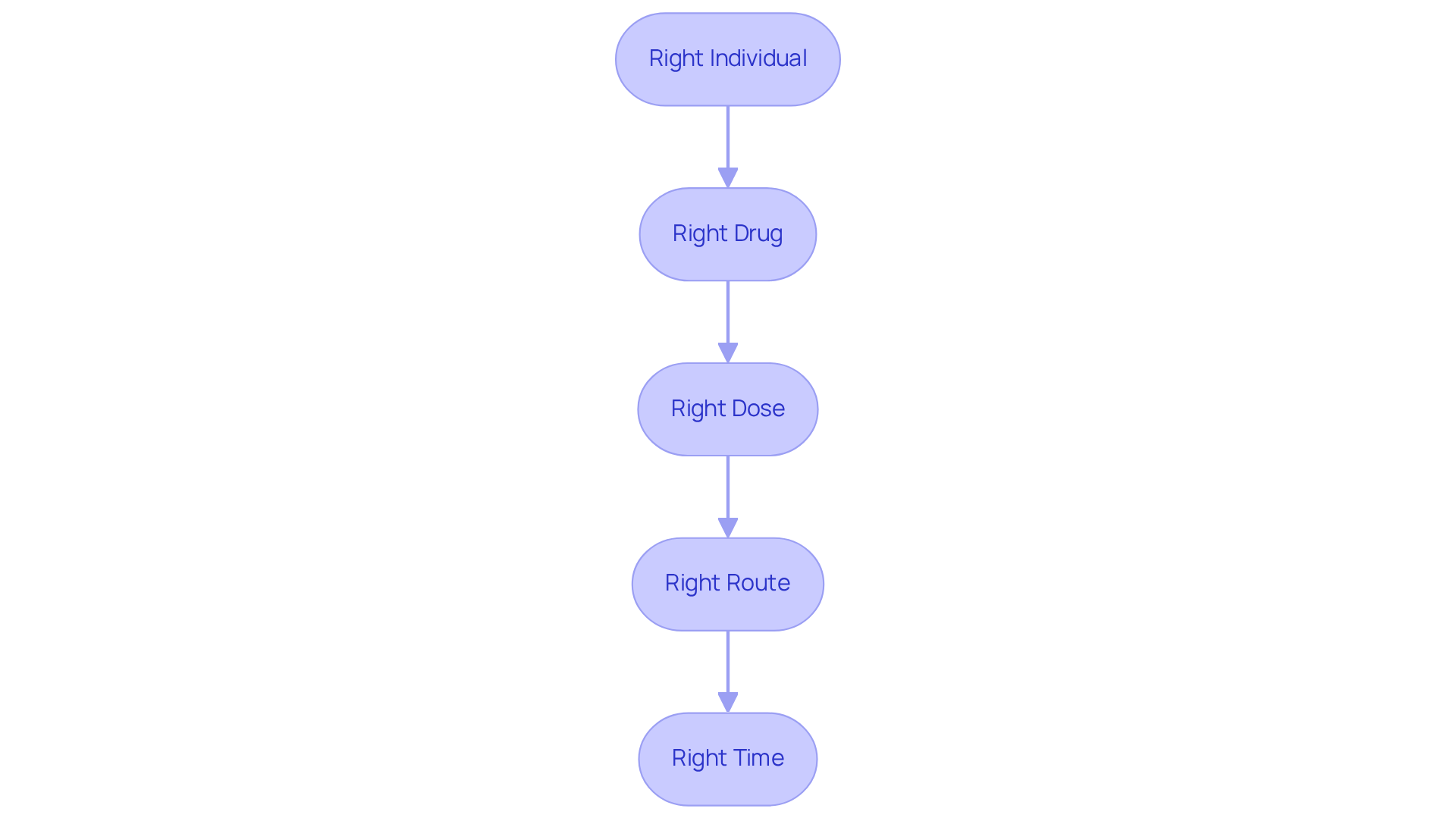
You might be wondering why are such a big deal. Well, they’re crucial for making sure that medical professionals stick to standardized procedures when giving out medications. These detail the :
- the right individual
- the right drug
- the right dose
- the right route
- the right time
By following these guidelines, healthcare providers can really , which are a major cause of negative patient outcomes.
Now, here’s something interesting: organizations that have set up have seen a significant drop in medication errors. This not only fosters a culture of safety and accountability but also makes a real difference in patient care. Plus, can save healthcare organizations an average of $3.7 million a year! That’s a pretty compelling reason to implement effective , don't you think?
Operations managers have a key role in this whole process. They ensure that all staff are well-trained in these procedures and that compliance is regularly checked. Regular audits and refresher courses can really boost adherence to these protocols, leading to better safety and quality of care. Speaking of improvements, Anastasia Masadi, a Product Owner, shares her experience:
" in the way we . I do not have to capture each screenshot individually, and do not even need to exit the browser while I am creating and training materials. SowFlow gave me time from my life back."
So, the impact of efficient is huge! They not only protect individuals but also streamline operations, allowing medical teams to focus on what really matters: providing top-notch care.
Incident Reporting SOPs: Promoting Accountability in Healthcare
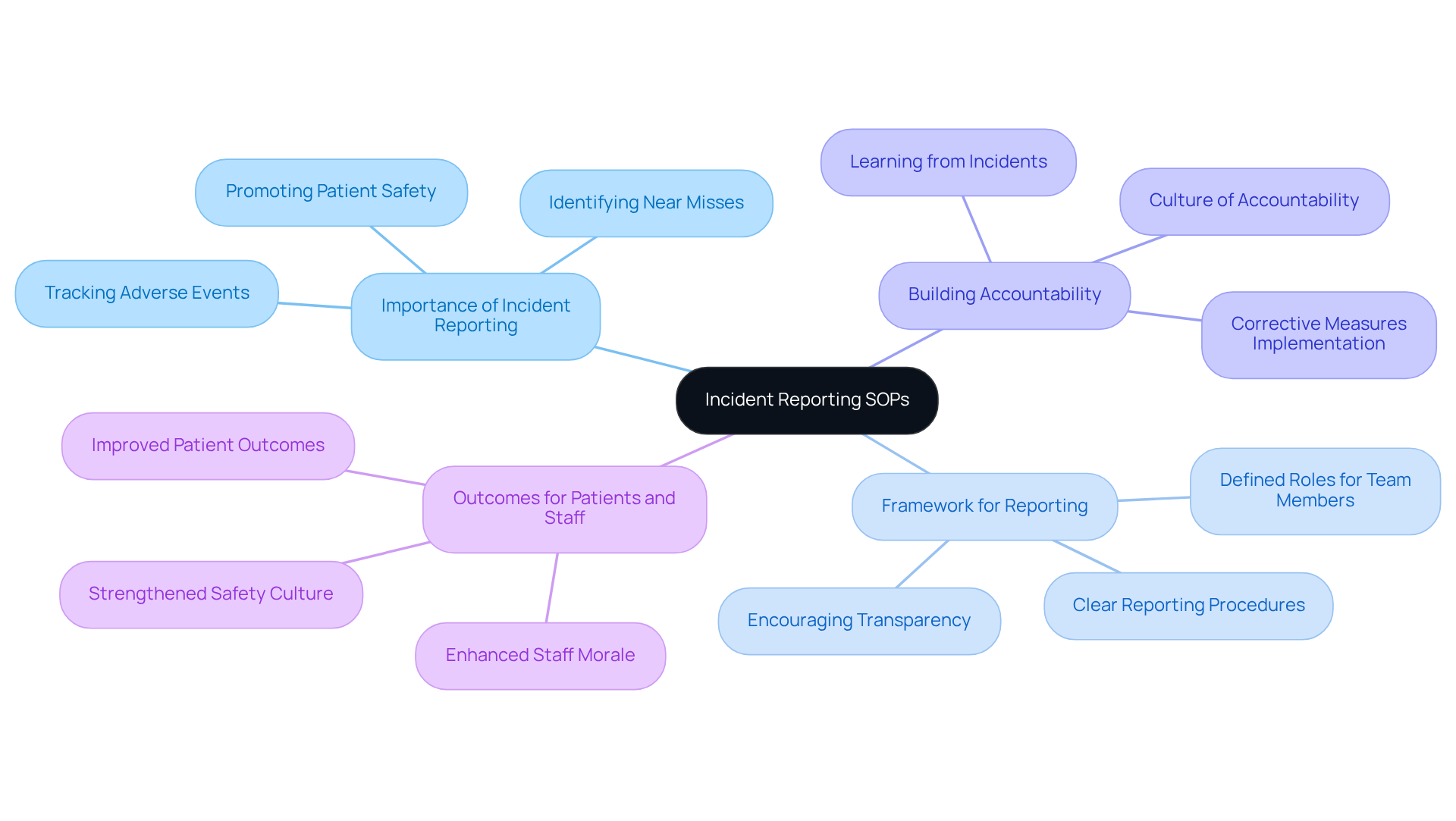
You might be wondering why is one of the key that are considered a big deal for medical organizations. Well, they’re essential for keeping track of adverse events, near misses, and any concerns about well-being. These procedures lay out a , making sure everyone on the team knows their role in promoting .
By building a and transparency, medical facilities can learn valuable lessons from these incidents. This means they can take to prevent similar issues from popping up in the future. So, it’s really important for to focus on creating and teaching examples of as standard procedures. They play a huge role in .
When organized reporting is in place, it not only enhances accountability but also strengthens the safety culture within medical environments. And guess what? This ultimately leads to better outcomes for both patients and staff. So, let’s dive into how we can make this happen!
Telemedicine SOPs: Adapting to Modern Healthcare Delivery
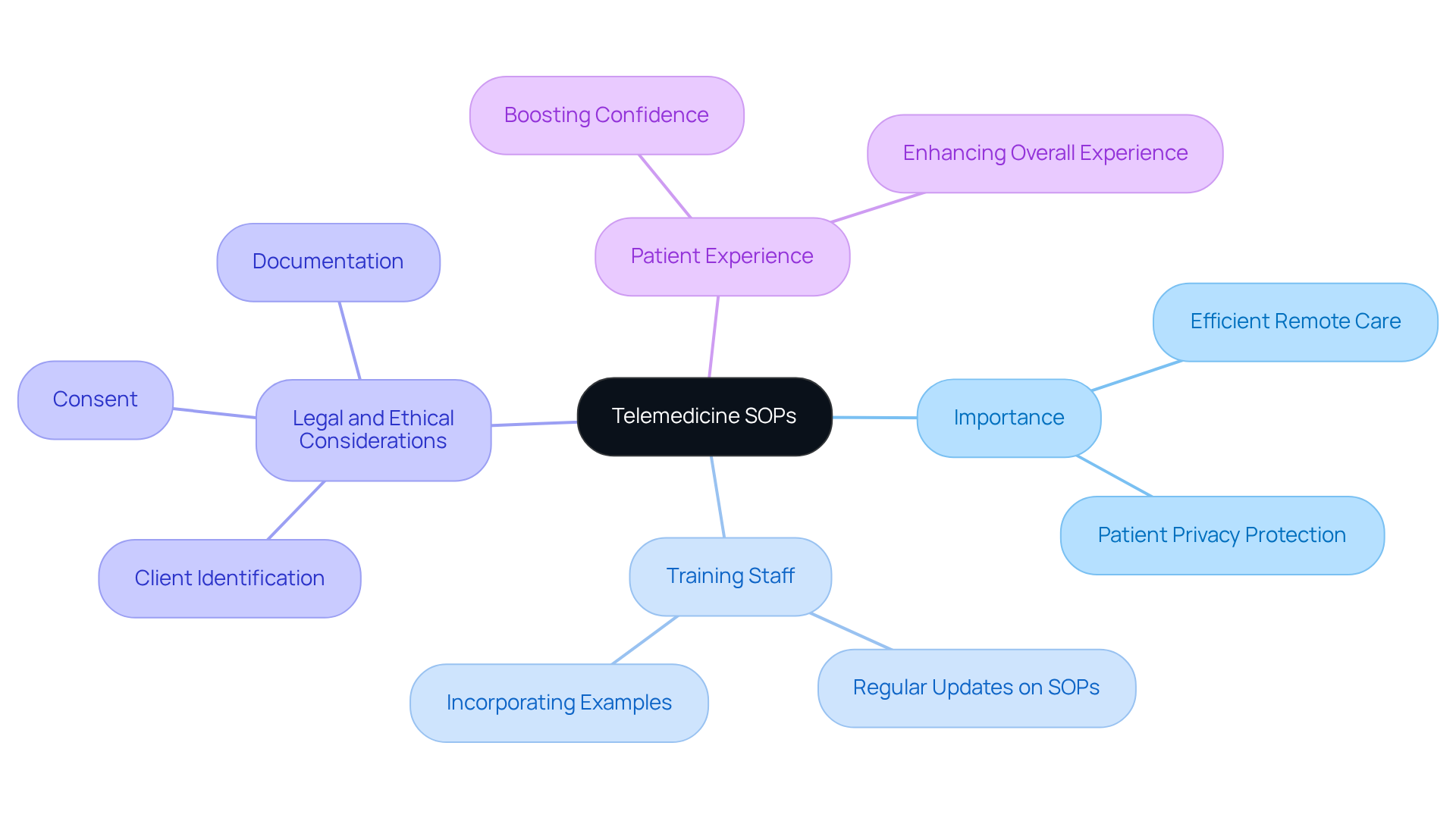
You might be wondering why are such a big deal for medical organizations. Well, they’re essential for delivering while keeping everything above board legally and ethically. These guidelines lay out the steps for , covering everything from client identification to consent and documentation. By sticking to these protocols, healthcare providers can ensure they’re offering top-notch care while also protecting .
Now, let’s dive into what this means for you. play a key role here! It’s crucial that all staff are trained in , and incorporating should be updated regularly to keep pace with and the latest tech. Think about it: when everyone’s on the same page, it not only boosts confidence but also enhances the overall . So, how’s your team doing with telemedicine training? It might be time to check in!
Conclusion
Implementing effective standard operating procedures (SOPs) in healthcare isn’t just about ticking boxes for regulations; it’s a vital part of making sure patients are safe and getting the best care possible. You might be wondering how exactly SOPs can help. Well, this article has looked at some great examples of SOPs that operations managers can use. These structured protocols can really streamline workflows, cut down on errors, and build a culture of accountability in medical organizations.
Let’s dive into some key insights! Clinical SOPs are super important for ensuring that patient care is consistent. Then there are infection control procedures, which play a crucial role in preventing those pesky healthcare-associated infections. And don’t forget about robust training SOPs for onboarding new staff - these are essential too! Plus, innovative tools like SowFlow can make creating and maintaining these procedures a breeze, letting healthcare teams focus more on what really matters: patient care.
So, what’s the bottom line? Implementing comprehensive SOPs not only boosts operational efficiency but also leads to better health outcomes. It’s crucial for healthcare operations managers to prioritize developing and regularly updating these protocols. By doing this, they can enhance patient safety, improve team dynamics, and keep up with the ever-changing standards in the healthcare industry. Embracing these best practices will not only transform healthcare delivery but also empower teams to provide the highest quality of care possible. How exciting is that?
Frequently Asked Questions
What is SowFlow and how does it assist in healthcare documentation?
SowFlow is a documentation tool designed to streamline the creation of Standard Operating Procedures (SOPs) in healthcare. It helps medical organizations generate detailed SOP examples quickly, ensuring compliance with quality standards and regulations.
How does SowFlow improve the SOP creation process?
SowFlow allows teams to document workflows directly from their browser, making it user-friendly. It facilitates easy creation and updating of SOPs, which are essential for regular reviews based on feedback, new research, or regulatory changes.
What are the benefits of using standardized SOPs in healthcare?
Standardized SOPs boost service quality, minimize errors, and foster a culture of security and responsibility among team members. They help ensure that medical professionals adhere to protocols, enhancing patient safety and care quality.
How do clinical SOPs impact patient care?
Clinical SOPs outline specific steps for various clinical activities, which helps reduce errors, ensure compliance with regulations, and provide consistent care. They also improve communication and collaboration among healthcare providers.
What role do operations managers play in developing SOPs?
Operations managers should focus on developing and implementing SOPs that promote a culture of safety and quality within their organizations, ensuring that all team members are prepared to deliver high standards of care.
Why are infection control SOPs important in healthcare?
Infection control SOPs are crucial for preventing healthcare-associated infections (HAIs). They establish protocols for hygiene, sterilization, and care, which lead to a safer environment for both patients and healthcare workers.
How does SowFlow assist with infection control training?
SowFlow's features allow operations managers to easily create and update SOPs related to infection control, ensuring that staff are well-trained and compliant with the latest protocols, thus improving overall productivity and health outcomes.
What are the overall benefits of effective documentation in healthcare?
Effective documentation through tools like SowFlow contributes to better health outcomes, reduces long-term medical costs, and enhances the efficiency of training processes for healthcare staff.
👍
What others are liking


5 Steps to outline your ideal documentation structure
5 MINS READ
Where to start the your journey of mapping out your ideal documentation structure, aligning it with the very heartbeat of your organization?
Defining a winning level of detail in your process
3 MINS READ
What is too much detail, and what is too little? This article described in that winning level detail about what detail is enough.


